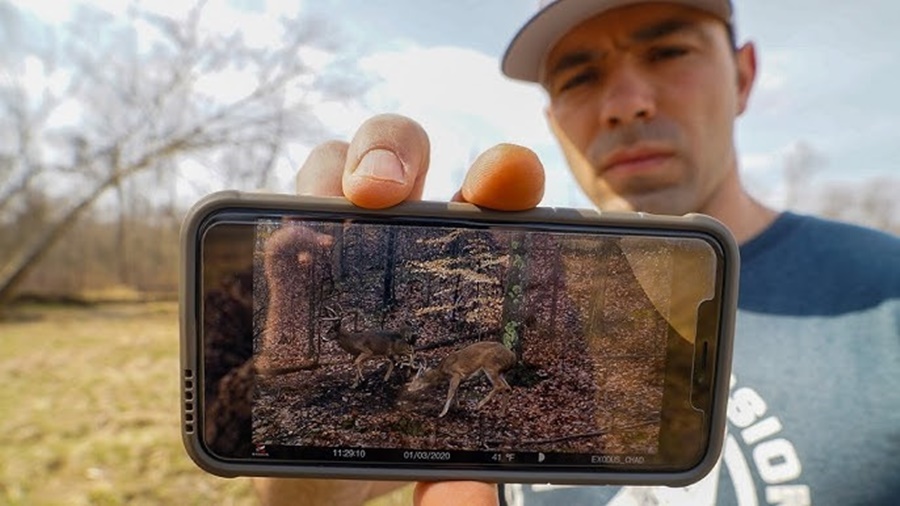
Wireless trail cameras excel in convenience, delivering real-time images without cables, making them a top choice for hunters and wildlife researchers. In contrast, wired cameras offer unlimited power and reliability in fixed locations but sacrifice the mobility essential for discreet monitoring.
Both options serve the same basic purpose capturing images or videos when motion is detected but they differ significantly in how they operate, how they are installed, and where they perform best.
This article explains everything you need to know, including features, advantages, disadvantages, and which option suits your needs.
What Is a Wireless Trail Camera?
A wireless trail camera transmits images or videos remotely using Wi-Fi, Bluetooth, or cellular networks. Instead of physically retrieving an SD card, you can access footage on your phone, tablet, or computer.
These cameras are especially useful in situations where frequent physical access is inconvenient or impossible. Many modern wireless trail cameras can send real-time alerts when motion is detected.
Wireless systems rely on signal strength and connectivity. If the signal is weak or unavailable, performance may suffer or recordings may only be stored locally .
What Is a Wired Trail Camera?
A wired trail camera uses physical cables to transmit data and receive power. Typically, it connects to a recording device such as a DVR or NVR system.
These cameras are more traditional and are often used in fixed locations where reliability is more important than flexibility.
Because they do not rely on wireless signals, wired cameras provide stable and continuous performance with minimal interruptions .
Key Differences Between Wireless and Wired Trail Cameras
1. Installation
Wireless cameras are easy to install. You can mount them quickly without running cables through trees, walls, or terrain. This makes them ideal for beginners or temporary setups.
Wired cameras require more effort. Installation may involve drilling, trenching, or routing cables over long distances, which can be time-consuming and sometimes requires professional help .
2. Flexibility and Placement
Wireless cameras are highly flexible. You can move them easily and place them in different locations within signal range.
Wired cameras are fixed. Once installed, relocating them involves significant work and reinstallation.
3. Power Source
Wireless trail cameras are often powered by batteries or solar panels, which means they require periodic maintenance.
Wired cameras draw power continuously from a direct source, eliminating the need for battery replacement .
4. Reliability
Wired cameras are more reliable because they are not affected by signal interference, Wi-Fi drops, or connectivity issues.
Wireless cameras depend heavily on signal strength. Obstacles like trees, walls, or terrain can reduce performance and cause interruptions .
5. Video Quality
Wired trail cameras typically offer higher and more consistent video quality. They can transmit uncompressed or minimally compressed footage.
Wireless cameras may compress video to save bandwidth and battery, which can reduce image clarity .
6. Security
Wired systems are generally more secure because they are not exposed to wireless hacking risks.
Wireless cameras, while usually encrypted, can still be vulnerable if not properly secured or if weak networks are used .
7. Cost
Wireless cameras usually have lower upfront costs and are cheaper to install.
Wired systems may cost more initially due to installation and equipment, but they often have lower maintenance costs over time.
8. Maintenance
Wireless cameras require ongoing maintenance such as battery replacement or charging.
Wired cameras require minimal maintenance once installed, aside from occasional system checks.
Advantages of Wireless Trail Cameras
Wireless trail cameras are popular for good reason. Their main advantages include:
- Easy and quick installation
- Remote access to footage
- Flexible placement and portability
- Ideal for temporary setups
- Expandable systems with minimal effort
They are especially useful for hunters, small property owners, and short-term monitoring projects.
Disadvantages of Wireless Trail Cameras
Despite their convenience, wireless cameras have limitations:
- Dependence on Wi-Fi or cellular signal
- Battery life issues
- Potential signal interference
- Security vulnerabilities
- Limited range in remote areas
These drawbacks can be significant in dense forests or remote locations without network coverage.
Advantages of Wired Trail Cameras
Wired cameras offer strong performance and reliability:
- Stable, uninterrupted operation
- No reliance on wireless signals
- Higher video quality
- Continuous power supply
- Better security against hacking
They are ideal for long-term monitoring and high-security applications.
Disadvantages of Wired Trail Cameras
However, wired systems are not perfect:
- Complex installation
- Limited mobility
- Higher upfront cost
- Visible wiring in some setups
- Vulnerability to power outages
These factors make them less suitable for temporary or mobile use.
When to Choose a Wireless Trail Camera
A wireless trail camera is the better option if:
- You need remote access to images
- You want a quick and simple setup
- You plan to move the camera frequently
- Your monitoring area has strong signal coverage
They are perfect for casual wildlife observation, hunting, and home security near Wi-Fi zones.
When to Choose a Wired Trail Camera
A wired trail camera is the better choice if:
- You need consistent and reliable recording
- You are monitoring a fixed location
- You require high-quality video footage
- Security and stability are top priorities
They are ideal for farms, large properties, and professional surveillance setups.
Real-World Insight (Community Perspective)
Discussions among users often highlight reliability as a key factor. One user noted:
Another mentioned that wireless systems can suffer from battery limitations and signal issues, especially in harsh environments .
These real-world experiences reinforce the technical differences outlined above.
Final Verdict
There is no one-size-fits-all answer.
- Wireless trail cameras are best for convenience, flexibility, and remote access.
- Wired trail cameras are best for reliability, security, and long-term use.
If you prioritize ease of use and mobility, go wireless.
If you prioritize performance and stability, go wired.
Conclusion
Choosing between wireless and wired trail cameras depends entirely on your needs, location, and budget. Understanding the strengths and weaknesses of each type will help you make an informed decision.
For many users, a combination of both systems can provide the best balance wireless cameras for flexibility and wired cameras for critical monitoring areas.