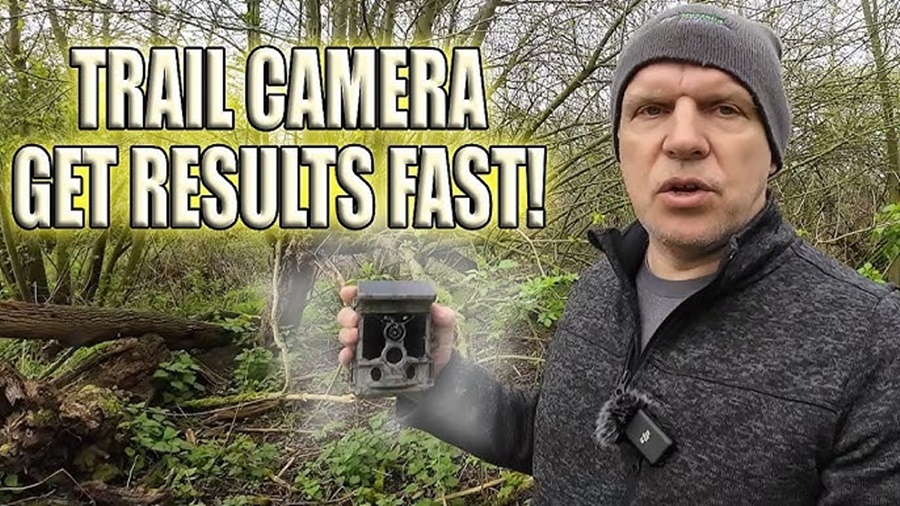
A trail camera featuring a fast trigger speed of 0.1 seconds is essential for effectively capturing quick-moving wildlife, as opposed to the 1-second trigger speed that could result in missed opportunities. Recognizing these key differences enables you to choose the best camera for wildlife observation, hunting, or enhancing property security.
What Is Trigger Speed?
Trigger speed refers to the amount of time it takes for a trail camera to capture an image after its motion sensor detects movement. It is usually measured in seconds (e.g., 0.2s, 0.5s, 1.0s).
- Fast trigger speed: Typically under 0.5 seconds
- Slow trigger speed: Usually 1 second or longer
Even fractions of a second can make a significant difference in what the camera captures.
How Trail Cameras Detect Motion
Before diving into speed differences, it helps to understand how trail cameras work:
- Most trail cameras use Passive Infrared (PIR) sensors
- These sensors detect changes in heat and motion within their detection zone
- Once triggered, the camera activates and captures an image or video
The time between detection and capture is the trigger speed.
Fast Trigger Speed: Advantages and Disadvantages
Advantages
1. Captures Fast-Moving Animals
Animals like deer, foxes, or birds can move quickly through the frame. A fast trigger speed ensures you capture them before they leave.
2. Better for Narrow Trails
If your camera is set up along a tight path, animals may only be in view for a split second. A fast trigger speed is crucial here.
3. More Action Shots
You’re more likely to capture animals in motion rather than just empty frames or partial images.
Disadvantages
1. Higher Power Consumption
Faster response times can drain batteries more quickly.
2. More False Triggers
Wind-blown vegetation or small animals may trigger the camera more often.
3. Typically More Expensive
Cameras with ultra-fast trigger speeds tend to cost more.
Slow Trigger Speed: Advantages and Disadvantages
Advantages
1. Conserves Battery Life
Slower trigger speeds generally use less power, making them suitable for long-term deployments.
2. Fewer Unnecessary Shots
Less sensitivity can reduce the number of false triggers.
3. Budget-Friendly
Trail cameras with slower trigger speeds are often more affordable.
Disadvantages
1. Missed Opportunities
Fast-moving animals may pass through the frame before the camera activates.
2. Partial or Empty Images
You might end up with images where the subject is already out of frame.
3. Less Reliable for Action Monitoring
Not ideal for tracking active or skittish wildlife.
When to Use Fast Trigger Speed
Choose a fast trigger speed if:
- You’re monitoring game trails or narrow paths
- Wildlife in your area is fast-moving or unpredictable
- You want high-quality action shots
- You’re using the camera for security purposes
When to Use Slow Trigger Speed
A slower trigger speed may be sufficient if:
- You’re monitoring feeding areas or watering holes
- Animals tend to linger in one place
- You need long battery life for remote setups
- You’re on a budget
Trigger Speed vs. Recovery Time
It’s important not to confuse trigger speed with recovery time:
- Trigger speed: Time to take the first image after motion is detected
- Recovery time: Time needed before the camera can take the next image
A camera can have a fast trigger speed but a slow recovery time, which may cause missed follow-up shots.
Tips for Optimizing Trigger Speed Performance
1. Position Your Camera Strategically
Place cameras at an angle to the trail rather than directly facing it. This keeps animals in frame longer.
2. Adjust Sensitivity Settings
Many cameras allow you to adjust motion sensitivity. Fine-tuning this can reduce false triggers.
3. Clear Vegetation
Remove branches or grass that could move in the wind and trigger the camera unnecessarily.
4. Test Your Setup
Walk through the detection zone yourself to see how quickly the camera responds.
Conclusion
Trigger speed is one of the most critical factors in determining how effective a trail camera will be. A fast trigger speed is ideal for capturing quick, unpredictable movement, while a slow trigger speed may work well in controlled or stationary environments.
Ultimately, the best choice depends on your specific needs whether it’s capturing elusive wildlife, monitoring a property, or maximizing battery life in remote areas. Understanding these differences ensures you get the most out of your trail camera investment.