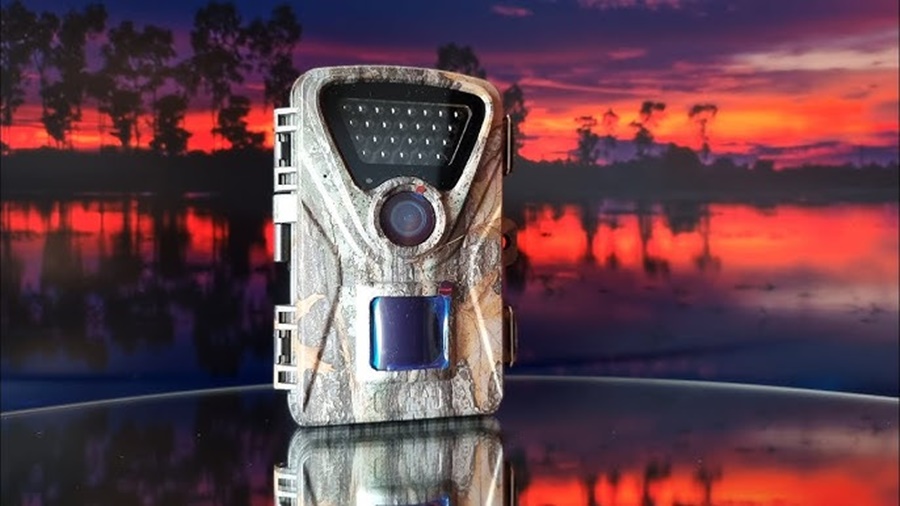
Trail cameras with night vision capture clear images in total darkness, making them essential for 24/7 monitoring, while daylight-only cameras shine in delivering high-resolution images during the day. The choice between these two types hinges on your specific needs—whether for wildlife observation, hunting, or security—as each offers distinct advantages tailored to various environments and activities.
What Is a Trail Camera?
A trail camera is a motion-activated device designed to capture photos or videos when it detects movement. They are typically mounted outdoors and used to observe wildlife, monitor property, or conduct field research without human presence.
Night Vision Trail Cameras: Overview
Night vision trail cameras are equipped with infrared (IR) technology, allowing them to capture images in low light or complete darkness.
How Night Vision Works
These cameras use infrared LEDs to illuminate the scene. The light is invisible (or nearly invisible) to humans and animals, enabling discreet nighttime recording.
Types of Night Vision
- Low-Glow (Red Glow): Emits a faint red light; better range but slightly visible
- No-Glow (Black IR): Completely invisible; more covert but with shorter range
Advantages of Night Vision Trail Cameras
1. 24/7 Monitoring
Night vision cameras operate around the clock, making them ideal for tracking nocturnal animals or overnight activity.
2. Wildlife Observation
Many animals are most active at night. These cameras provide insights you’d otherwise miss.
3. Security Applications
Perfect for surveillance in low-light conditions, such as farms, cabins, or remote properties.
4. Motion Detection in Darkness
Advanced sensors detect movement even in pitch-black environments.
Disadvantages of Night Vision Trail Cameras
1. Higher Cost
Night vision models are generally more expensive due to added technology.
2. Battery Consumption
Infrared illumination uses more power, leading to shorter battery life.
3. Image Quality Limitations
Night images are usually black-and-white and may have lower clarity compared to daytime color photos.
Daylight-Only Trail Cameras: Overview
Daylight-only cameras are designed to function in well-lit conditions and do not include infrared or night vision capabilities.
Advantages of Daylight-Only Cameras
1. Lower Cost
These cameras are more affordable, making them suitable for beginners or budget users.
2. Better Image Quality
In daylight, they often produce sharper, full-color images with better detail.
3. Longer Battery Life
Without infrared components, these cameras consume less power.
4. Simpler Operation
Fewer features mean easier setup and maintenance.
Disadvantages of Daylight-Only Cameras
1. Limited to Daytime Use
They cannot capture images in low light or darkness.
2. Missed Activity
Nocturnal wildlife or nighttime events will go unrecorded.
3. Reduced Versatility
Not suitable for security or 24-hour monitoring needs.
Key Differences at a Glance
| Feature | Night Vision Cameras | Daylight-Only Cameras |
|---|---|---|
| Operation Time | Day & Night | Daytime Only |
| Image Type (Night) | Black & White (IR) | Not Available |
| Cost | Higher | Lower |
| Battery Usage | Higher | Lower |
| Best For | Wildlife & Security | Daytime Observation |
Which One Should You Choose?
Choose Night Vision If:
- You need 24/7 monitoring
- You want to track nocturnal animals
- You require security surveillance
Choose Daylight-Only If:
- You only need daytime footage
- You are on a tight budget
- You prioritize image quality and battery life
Conclusion
The choice between night vision and daylight-only trail cameras ultimately depends on your specific needs. If you require around-the-clock monitoring or want to capture nighttime activity, investing in a night vision model is worth it. However, if your focus is strictly daytime use and affordability, a daylight-only camera may be all you need.
Understanding these differences ensures you get the most value from your investment while capturing the moments that matter most.