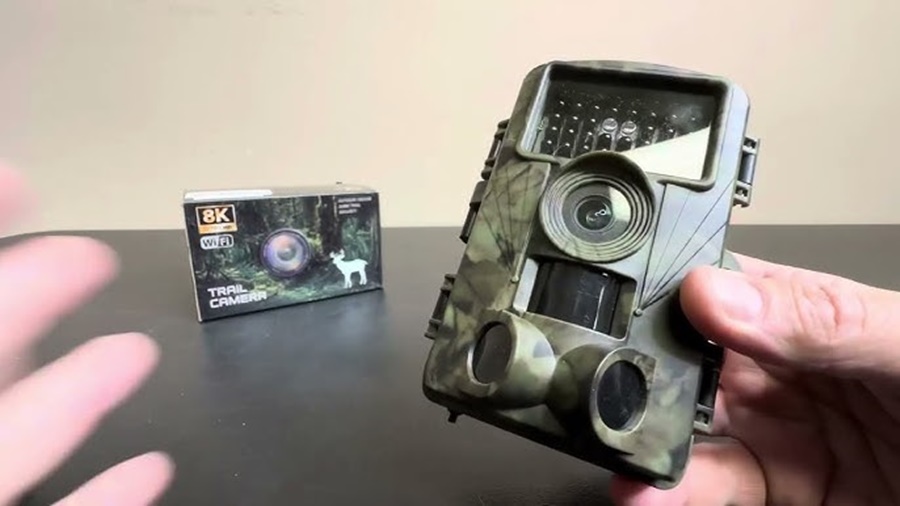
Trail cameras with an IP65 waterproof rating can withstand water exposure, making them essential for harsh weather, while non-waterproof models often fail in even light rain. Opting for waterproof options greatly enhances durability and reliability for wildlife monitoring, hunting, or property surveillance in outdoor settings.
This article explores the differences between waterproof and non-waterproof trail cameras, their advantages and disadvantages, and how to choose the right option for your needs.
What Is a Waterproof Trail Camera?
A waterproof trail camera is specifically designed to withstand exposure to rain, snow, humidity, and even temporary submersion in water. These cameras are typically built with sealed housings, rubber gaskets, and weather-resistant materials to protect internal components.
Waterproof ratings are often indicated by an IP (Ingress Protection) rating, such as IP65 or IP67. The higher the number, the greater the protection against water and dust.
What Is a Non-Waterproof Trail Camera?
A non-waterproof trail camera lacks full sealing against moisture. While some may offer minimal resistance to light rain or splashes, they are not designed for prolonged exposure to wet conditions. These cameras are generally more suitable for controlled or indoor environments.
Key Differences Between Waterproof and Non-Waterproof Trail Cameras
1. Weather Resistance
Waterproof cameras are built for harsh outdoor environments, including heavy rain, snowstorms, and humid forests. Non-waterproof cameras are vulnerable to water damage and may fail if exposed to moisture.
2. Durability
Waterproof models tend to be more rugged and long-lasting. They are designed to endure tough outdoor conditions. Non-waterproof cameras are usually less durable and better suited for short-term or sheltered use.
3. Cost
Waterproof trail cameras are typically more expensive due to their enhanced sealing and construction. Non-waterproof options are more affordable but come with limitations in usability.
4. Maintenance
Waterproof cameras require less frequent maintenance since they are protected from environmental damage. Non-waterproof cameras may need extra care, such as protective covers or frequent checks for moisture.
5. Usage Flexibility
Waterproof cameras can be deployed almost anywhere outdoors forests, mountains, wetlands, or coastal areas. Non-waterproof cameras are limited to dry environments or indoor setups.
Advantages of Waterproof Trail Cameras
- Reliable performance in all weather conditions
- Longer lifespan due to protection from moisture
- Suitable for year-round outdoor use
- Reduced risk of internal damage
Disadvantages of Waterproof Trail Cameras
- Higher initial cost
- Slightly heavier and bulkier design
- May be overkill for indoor or dry use
Advantages of Non-Waterproof Trail Cameras
- Lower cost and budget-friendly
- Lightweight and easy to handle
- Suitable for indoor monitoring or dry climates
Disadvantages of Non-Waterproof Trail Cameras
- Highly susceptible to water damage
- Limited outdoor usability
- Shorter lifespan in harsh environments
- May require additional protective housing
When Should You Choose a Waterproof Trail Camera?
A waterproof trail camera is the better choice if:
- You plan to use it outdoors for extended periods
- Your area experiences frequent rain or humidity
- You need reliable performance in unpredictable weather
- You are monitoring wildlife in forests, wetlands, or mountainous regions
When Should You Choose a Non-Waterproof Trail Camera?
A non-waterproof trail camera may be sufficient if:
- You are using it indoors or in sheltered locations
- Your environment is consistently dry
- You are on a tight budget
- The camera will only be used temporarily
Can You Protect a Non-Waterproof Camera?
Yes, but with limitations. You can use external protective cases, covers, or place the camera under shelter. However, these solutions are not as reliable as built-in waterproofing and may still expose the camera to risk.
Conclusion
Choosing between a waterproof and non-waterproof trail camera ultimately depends on where and how you intend to use it. If your priority is durability and all-weather performance, a waterproof model is worth the investment. On the other hand, if your needs are limited to controlled environments or short-term use, a non-waterproof camera can be a practical and cost-effective option.
Understanding your environment and usage requirements will help you make the right decision and ensure your trail camera performs effectively over time.