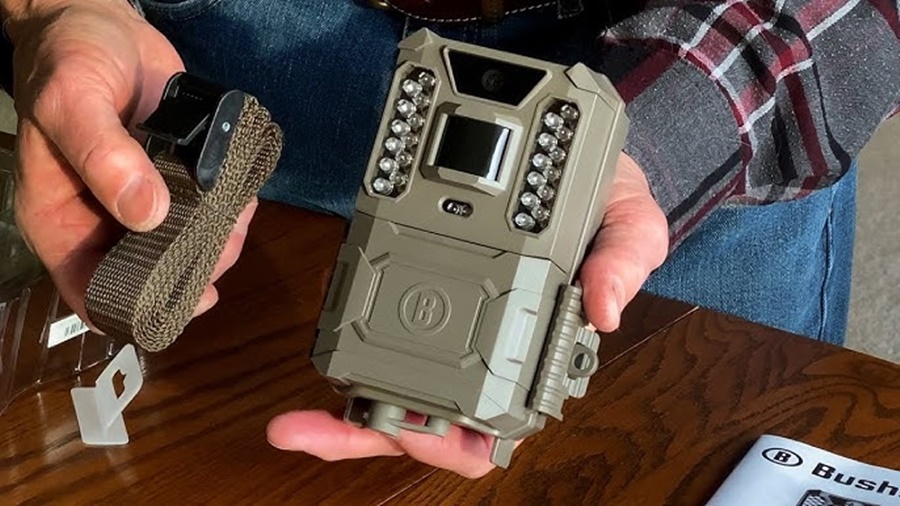
No glow infrared trail cameras are ideal for discreet wildlife monitoring, as they use nearly invisible light to remain undetectable, unlike standard infrared cameras that emit a red light potentially alerting animals. This distinction is essential for choosing the right camera to ensure the best performance in low-light scenarios.
This guide breaks down the differences in detail so you can choose the right option for your needs.
Understanding Infrared Trail Cameras
Trail cameras use infrared LEDs to illuminate scenes at night without producing visible white light. This allows them to capture images in darkness without startling wildlife or alerting humans.
However, not all infrared systems are the same. The key distinction lies in how visible the emitted light is and how it impacts image quality.
What Is Standard Infrared (Low Glow)?
Standard infrared trail cameras emit a faint red glow when the LEDs activate at night. This glow is usually visible if you look directly at the camera in darkness.
Key Characteristics:
- Emits a dim red light when active
- Typically uses wavelengths around 850nm
- Produces brighter night images compared to no glow
- Offers longer flash range in many models
Advantages:
- Better Image Quality at Night
Low glow cameras generally produce sharper, brighter, and more detailed nighttime images. - Longer Detection and Illumination Range
The stronger infrared output allows better performance over larger distances. - More Affordable
These cameras are often less expensive than no glow models.
Disadvantages:
- Visible Red Glow
Animals and especially humans can sometimes notice the faint red light. - Potential to Spook Wildlife
Some sensitive animals may react to the glow, although many species ignore it. - Not Ideal for Security Use
The visible light can reveal the camera’s location.
What Is No Glow (Black Infrared)?
No glow trail cameras use infrared LEDs that emit light at a higher wavelength (typically around 940nm), which is completely invisible to the human eye and nearly all animals.
Key Characteristics:
- No visible light emitted during operation
- Uses higher wavelength infrared
- Slightly reduced brightness compared to low glow
- Designed for stealth
Advantages:
- Completely Invisible Operation
No glow cameras are ideal when you need total concealment. - Best for Security and Surveillance
Since the flash is undetectable, it won’t reveal the camera’s position. - Less Chance of Disturbing Wildlife
Perfect for studying sensitive or easily spooked species.
Disadvantages:
- Reduced Night Image Brightness
Images may appear darker or less detailed compared to low glow cameras. - Shorter Flash Range
Effective illumination distance is usually slightly lower. - Higher Cost
No glow models are often more expensive due to advanced technology.
Side-by-Side Comparison
| Feature | Infrared (Low Glow) | No Glow (Black IR) |
|---|---|---|
| Visibility | Faint red glow | Completely invisible |
| Image brightness | Brighter, clearer | Slightly darker |
| Flash range | Longer | Slightly shorter |
| Wildlife disturbance | Possible (minor) | Minimal |
| Security use | Less ideal | Excellent |
| Price | More affordable | Typically more expensive |
Which One Should You Choose?
Choose Infrared (Low Glow) if:
- You prioritize image quality and clarity
- You are monitoring wildlife that is not easily disturbed
- You want a budget-friendly option
- You need longer nighttime range
Choose No Glow if:
- You need complete stealth
- You’re using the camera for security or anti-theft purposes
- You’re studying sensitive or skittish animals
- You want the camera to remain completely undetectable
Real-World Use Cases
- Hunting:
Low glow is often preferred for scouting due to better image clarity. - Wildlife Research:
No glow is ideal for observing rare or sensitive species without interference. - Property Surveillance:
No glow is the better choice to avoid detection by trespassers. - General Outdoor Monitoring:
Low glow offers a good balance of performance and cost.
Conclusion
Both infrared (low glow) and no glow trail cameras are effective tools, but they serve slightly different purposes. The decision ultimately comes down to your priorities:
- If you want better night images and value, go with low glow.
- If you need stealth and invisibility, no glow is the clear winner.
Understanding these differences ensures you invest in a trail camera that matches your specific goals whether that’s capturing stunning wildlife footage or maintaining discreet surveillance.