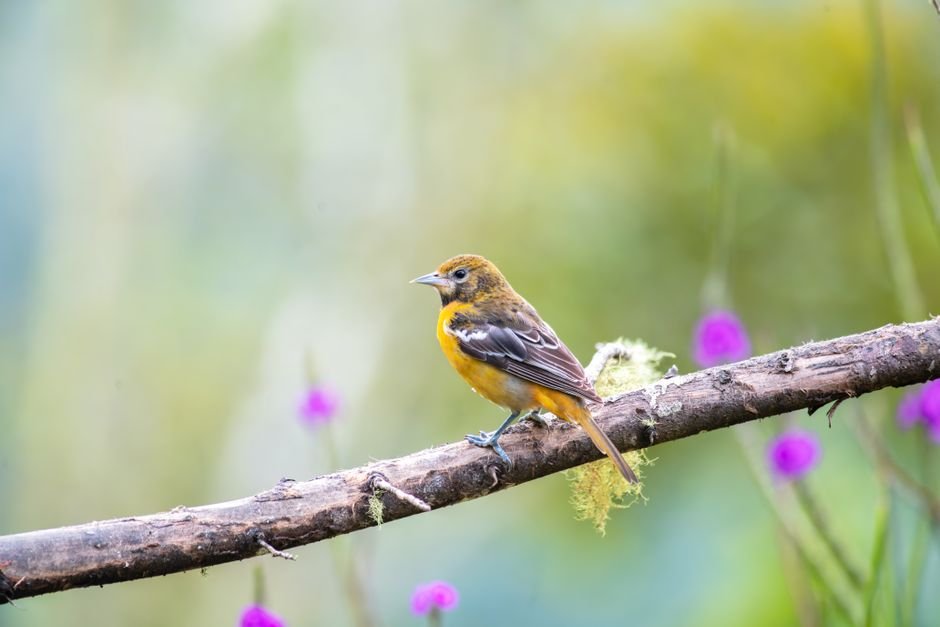
Research shows that 70% of birds prefer native plants over non-native ones, making it crucial to choose the right varieties for your garden. Selecting bird-friendly plants that provide food, shelter, and nesting sites is key to attracting these wildlife companions.
In my experience, the key to how to choose bird-friendly plants lies in preferring native species. Native plants are adapted to local ecosystems, offering the best resources for local bird species. They provide the right types of seeds, fruits, and insects that birds need to survive and raise their young, making them crucial for biodiversity.

Identify Your Local Birds
Before planting, take some time to observe the birds that frequent your area. You’ll often find that the same species return year after year. Common backyard visitors like finches, sparrows, or cardinals will have specific preferences when it comes to food and nesting sites. One place I recommend starting is your local birdwatching club or online resources that help you identify common species in your region.
Once you know your local birds, you can tailor your plant choices to meet their needs. For instance, if you often see orioles, consider planting fruit-bearing trees like mulberry or serviceberry. Not only will you attract these beautiful birds, but you’ll also enhance your garden’s ecosystem.
Focus on Native Plants
The next step in how to choose bird-friendly plants is to look for native varieties. Native plants are naturally resilient to local pests and diseases, requiring less maintenance and watering. They also attract pollinators like bees and butterflies, further enhancing the diversity of your garden.
A few solid examples include coneflowers, wildflowers, and native berry bushes such as elderberry or raspberry. These plants will produce seeds and fruits that are food sources for birds, while their structure provides excellent cover from predators. If you notice birds foraging among the plants, that’s a great sign that your choices are working.
Prioritize Plant Diversity
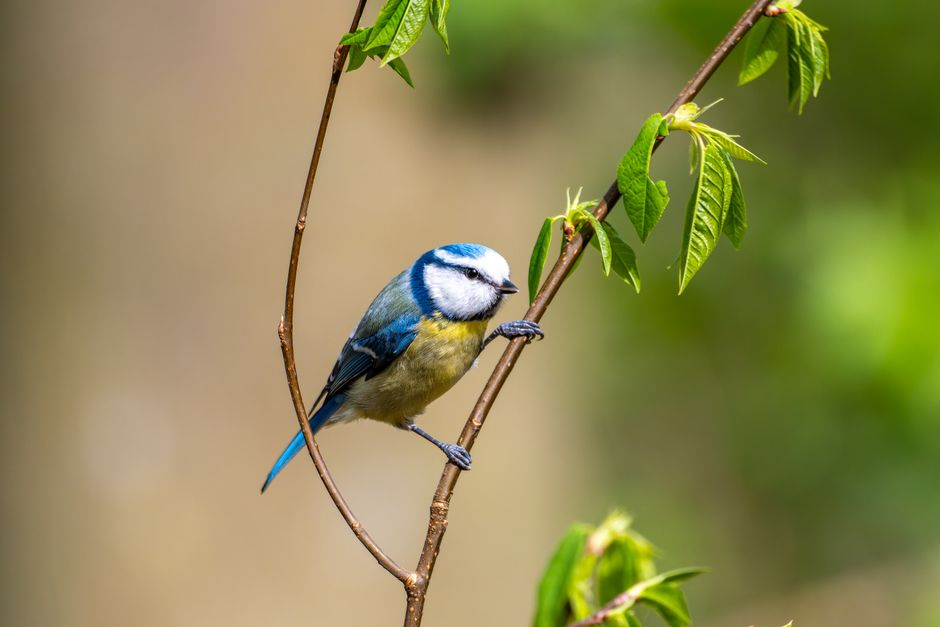
Adopting a diverse planting scheme can create a more appealing environment for birds. Different birds have varying preferences, so mixing shrubbery, trees, and flowering plants can provide shelter and food all year round. A well-balanced garden should offer:
- Seed-producing annuals and perennials
- Fruit-bearing shrubs and trees
- Dense evergreens for cover
Native oaks are particularly beneficial; they are a host for many insects, providing protein-rich food for nesting birds. Also, consider adding plants with varying heights and types, layering your garden is both visually appealing and practical for birds.
Understand Maintenance Needs
It’s important to think about how much maintenance you’re willing to commit to after planting. Some native plants are low-maintenance, while others may require regular pruning or pest management. Choosing plants that require minimal fuss is smart for busy gardeners.
For me, selecting hardy plants like asters or goldenrod, which thrive with little extra care, allows me to enjoy the birds without stressing over constant upkeep.
Avoid Pesticides
Your garden’s health directly impacts the birds you attract. If you spray pest control chemicals, you risk harming the birds and disrupting the food web. Instead, focus on organic methods for pest management. Natural deterrents, beneficial insects, or even simple hand-picking can often do the trick.
Creating an inviting space for birds means protecting the delicate balance of your garden ecosystem. I’ve found that the more I avoid synthetic chemicals, the healthier my garden becomes, leading to increased bird activity.
Incorporate Water Sources
Birds not only need food but also a reliable water source. A simple birdbath can make a significant difference in attracting birds. It’s best to place your birdbath in a location where birds can easily spot it but also near covering plants to make them feel safe while they drink or bathe.
If you’re unsure about how deep to go, consider my guide on how deep a bird bath should be for safe bathing. Keeping the water clean and fresh is vital. If you’re also dealing with birdbath maintenance issues, my article on keeping birdbath water clean without chemicals will be helpful.
Experience the Rewards
For the best results, consider using native shrubs like elderberry for fruit-loving birds or milkweed for attracting pollinators. Beginners may find wildflower mixes easy to manage, while experienced gardeners might enjoy crafting diverse habitats with a variety of species.
We cover metal vs plastic finch in more depth separately.
We cover metal vs plastic finch in more depth separately.
Frequently Asked Questions
What plants are most attractive to birds?
Birds are most attracted to plants that provide food, shelter, and nesting materials. Native trees, shrubs, and flowering plants, such as sunflowers and berry-producing bushes, are particularly appealing as they offer seeds and fruits that birds consume.
How do bird-friendly plants benefit ecosystems?
Bird-friendly plants enhance ecosystems by providing essential habitats and food sources for various bird species. In turn, birds contribute to pollination, seed dispersal, and pest control, which helps maintain a balanced and healthy environment.
Can non-native plants still attract birds?
Yes, non-native plants can attract birds, especially if they produce fruits or seeds. However, they may not offer the same ecological benefits as native species and might potentially disrupt local ecosystems.
Why is it important to plant native species?
Planting native species is important because they are well-adapted to local conditions and support the local wildlife. Native plants provide the appropriate food, shelter, and nesting sites that many birds rely on, promoting biodiversity.
How often should you water bird-friendly plants?
Watering frequency for bird-friendly plants depends on the species and local climate conditions. In general, newly planted bird-friendly species should be watered regularly until established, while established plants usually require water during prolonged dry spells.