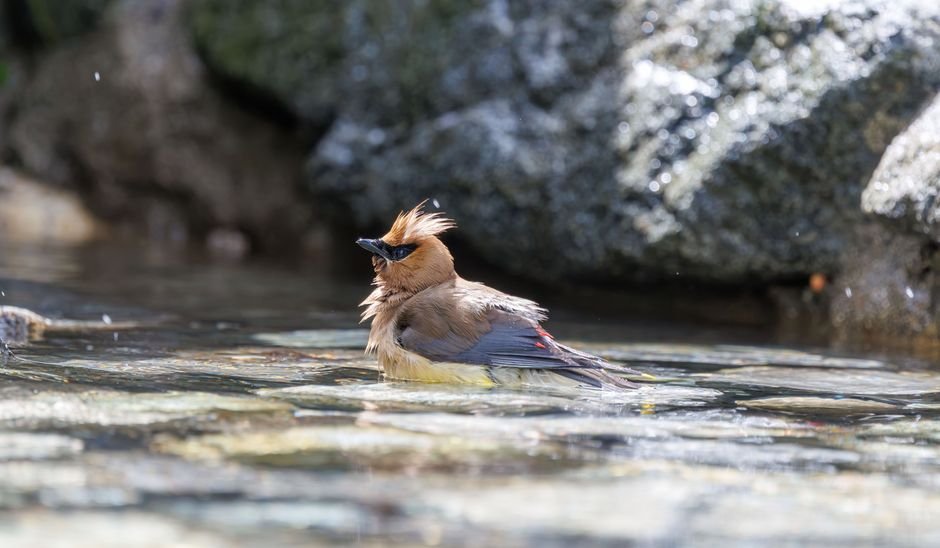
A dirty bird bath can deter birds from visiting your yard, leading to fewer feathered friends. Keeping the water clean without chemicals is challenging but essential. By employing natural methods, you can ensure a safe and inviting space for birds to enjoy.
Bird baths can easily become breeding grounds for algae and bacteria, especially in warm weather. Without the use of chemicals, it might seem challenging to keep things clean, but with the right techniques, it’s definitely manageable. Here, I’ll share practical steps I’ve found helpful for natural bird bath maintenance and how to clean the water safely.
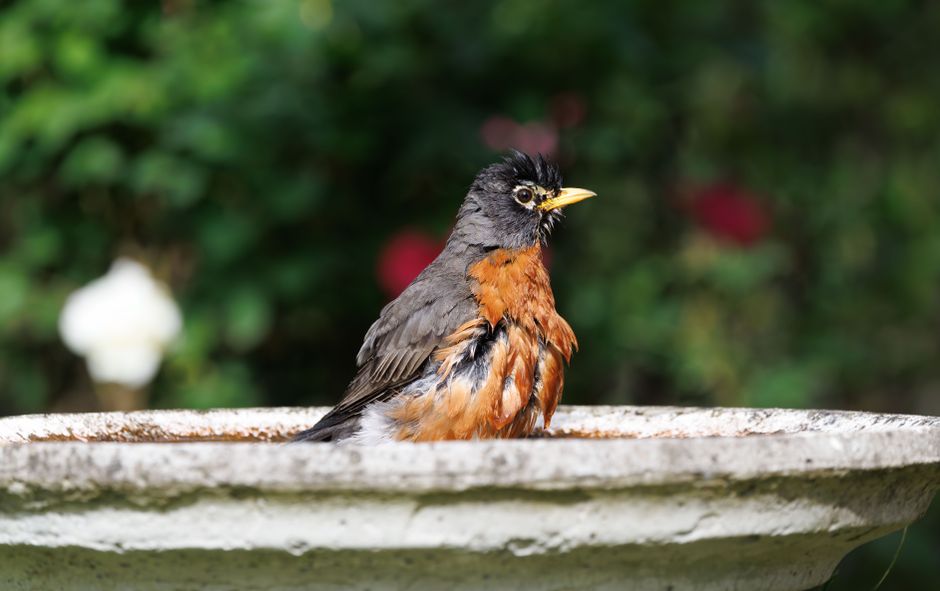
Start with the Right Location
The positioning of your bird bath can impact the water’s cleanliness significantly. Placing it under a tree or near shrubs can shade it from direct sunlight and minimize algae growth. However, this might also result in debris falling into the water; a balance is needed.
I recommend finding a spot that gets some sunlight to keep the water warm and inviting but isn’t overloaded with overhanging branches. Also, avoid putting it close to feeding spots to reduce the droppings, which can contribute to contamination.
Keep in mind that wind can also carry dust and debris into the water. If possible, select a flat and open area where the birds can see the bath easily. This makes it more inviting, while also minimizing fallout from nearby trees.
Regular Cleaning Is Essential
One of the most crucial aspects of bird bath maintenance is regular cleaning. Instead of relying on chemicals, utilize natural cleaning methods. I recommend giving your bird bath a good scrub at least once a week, depending on the local climate and the level of use by birds. I simply use a mixture of hot water and white vinegar for a thorough clean.
Vinegar is excellent for killing bacteria without leaving harmful residues.
For routine cleaning, simply dump out the old water, scrub the basin with a soft brush and your vinegar solution, and rinse thoroughly before refilling it with fresh water. Regular maintenance cuts down on algae growth and keeps the bath appealing for birds.

Use Natural Ingredients for Prevention
To fight off algae growth without chemicals, consider adding natural ingredients to the water. For example, a small amount of cornmeal sprinkled into the water can help reduce algae due to its ability to promote beneficial bacteria. Additionally, using small pebbles or rocks can create a habitat for these beneficial bacteria that fight off algae.
Just be cautious not to overcrowd the bathing area, birds prefer plenty of open water to land and splash around in.
Some people have found that adding a few drops of organic peppermint oil can help deter algae. This solution is safe for birds and can reduce the frequency of cleaning. Just be careful with the amount, as you don’t want to overwhelm the birds with strong scents.
Maintain Water Levels
Keeping the water fresh means regularly checking the levels, especially in hot months. Birds use a lot of water, and evaporating water needs to be replenished to encourage visits. I use a simple method of checking the depth; if I see it’s low by a few inches, I fill it up again.
Ideally, the water should be around 2-3 inches deep, making it shallow enough for small birds but still appealing enough for larger ones.
During warmer months, a water wigglera device that keeps water moving, can help keep it clean and aerated. I find that moving water is much less likely to attract algae, and the birds seem to enjoy splashing around in it. And if you ever see that the water is getting cloudy, immediately replace it to keep things pristine.
Monitor for Pests
Another aspect that’s often overlooked in maintenance is monitoring for pests like mosquitoes. Standing water can attract unwanted insects, which can deter birds from visiting. If you spot larvae, a natural way to eliminate them is to add a few goldfish or other small fish that can help keep the mosquito population down.
Just be sure they are suitable for your climate and won’t disrupt any natural ecosystems. You could also consider placing a few drops of dish soap in the water, which can help break the surface tension and kill the larvae without harming birds.
However, avoid anything that may leave residues. It’s vital to focus on solutions that promote a clean and healthy environment for both birds and the surrounding ecosystem.
Develop a Cleaning Schedule
Establishing a regular cleaning schedule can eliminate any guesswork. I recommend setting a weekly reminder to clean your bird bath and check the water levels. This routine helps keep the bath clean and algae-free. If you know the birds frequent your bath, try to do this at times when they are less likely to be around, perhaps early morning or late evening.
Be flexible; assess how often you need to clean based on the local conditions, such as temperatures, wind, and how many birds visit the bath. Stay proactive rather than reactive to keep everything fresh throughout the warm months.
Your Natural Options Compared
Regular scrubbing with a brush, using vinegar, or adding pebbles are effective methods for maintaining clean water. For those who prefer minimal effort, regular cleaning is best, while those interested in natural treatments can opt for vinegar solutions. Choose the method that fits your lifestyle and enjoy watching the birds thrive.
Frequently Asked Questions
How can I keep a bird bath clean naturally?
To keep a bird bath clean naturally, regularly change the water to prevent stagnation and attract debris. Additionally, scrub the bath with a brush, using a mixture of water and baking soda to remove any buildup.
What can I put in my bird bath to prevent algae?
To prevent algae growth, consider adding a few aquatic plants, which can help absorb excess nutrients. Additionally, placing the bird bath in a shaded area can reduce sunlight exposure, which inhibits algae growth.
Does vinegar harm birds in a bird bath?
Vinegar can be too acidic for birds, potentially harming them if present in high concentrations. It’s best to avoid using vinegar directly in the bird bath and stick to more bird-friendly cleaning solutions.
How often should a bird bath be cleaned?
Ideally, a bird bath should be cleaned at least once a week, or more frequently in warmer weather when algae and debris can accumulate quickly. Regular maintenance ensures a safe and inviting environment for the birds.
What household items can clean a bird bath?
Household items such as baking soda, vinegar (in limited amounts), and salt can be effective for cleaning a bird bath. Use a scrub brush to apply these items, ensuring to rinse thoroughly afterwards to avoid any residue.
Additionally, learn more about how to keep bird bath water clean without chemicals to enhance your bird bath maintenance strategy.