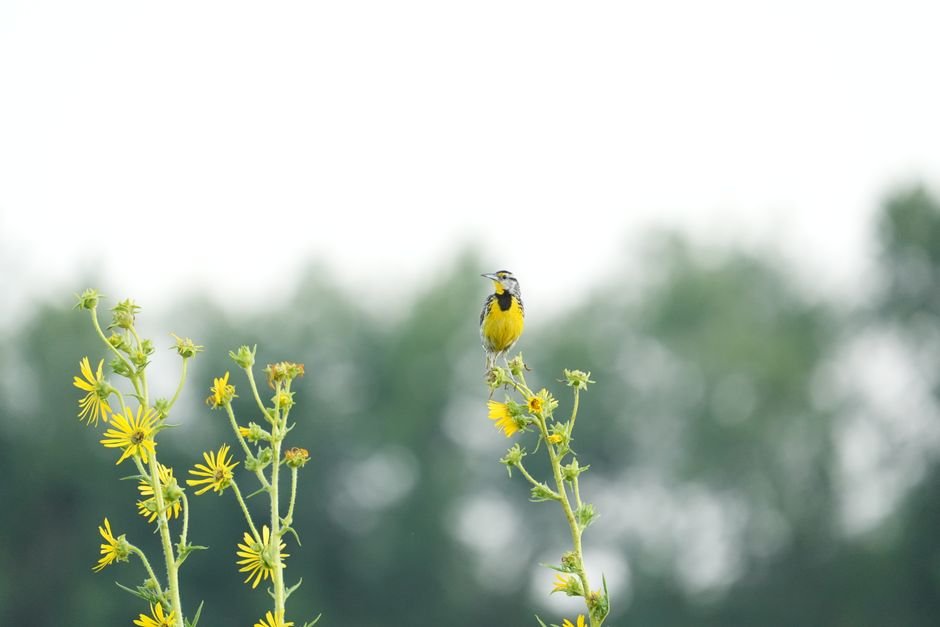
Over 1,000 species of birds in North America rely on native plants for food and shelter. By selecting native plants that thrive in your area, you can create a habitat that not only looks appealing but also supports these essential bird populations.
Here are nine top choices that will draw a variety of bird species to your yard while ensuring they have the resources they need to thrive.

1. Eastern Red Cedar (Juniperus virginiana)
The Eastern Red Cedar is an exceptional choice, known for its dense, evergreen foliage and adaptability to various soil types. This tree provides shelter and nesting sites for birds while its berries offer a reliable food source for many species, especially during winter. If you live in the eastern United States, this tree should be a staple in your yard.
Tip: This tree grows to about 40 to 50 feet tall, so plant it where it can thrive without being shaded by taller trees.
2. Black-Eyed Susan (Rudbeckia hirta)
Black-Eyed Susans are not only visually striking but also attract a plethora of birds, especially goldfinches, as they love to feast on the seeds. These resilient perennials thrive in sunny environments and are excellent for pollinator gardens. When blooming, they serve as a vibrant display that enhances the aesthetic value of any garden space.
Tip: Deadheading the flowers can encourage further blooming throughout the summer.
3. Serviceberry (Amelanchier spp.)
Serviceberries are a superb multi-purpose plant, providing both blossoms and berries. In spring, their delicate flowers attract various pollinators, while the fruits in summer feed birds such as robins and cedar waxwings. These trees work incredibly well as ornamental plants while still serving important ecological roles.
Tip: These are often best when planted in groups to ensure better cross-pollination.
4. Yellow Coneflower (Ratibida pinnata)
The Yellow Coneflower is a wildflower that creates an inviting scene for birds and pollinators alike. Its unique shape and striking yellow petals attract finches and other seed-eating birds. Additionally, this plant thrives in various soil conditions, making it a reliable choice for gardeners aiming to create a biodiverse environment.
Tip: These perennials bloom in mid-summer and can bring color to your garden while providing food for wildlife.
5. American Beautyberry (Callicarpa americana)
This stunning shrub is known for its vibrant purple berries that appear in late summer and are highly favored by many bird species, including mockingbirds and blue jays. American Beautyberry grows well in part to full shade, making it versatile for various locations in your yard. Its arching branches create a lovely aesthetic while supporting bird conservation.
Tip: Prune this shrub to encourage a denser growth habit, which increases the hiding spots for smaller birds.
6. Purple Milkweed (Asclepias tuberosa)
Purple Milkweed is a key player in supporting monarch butterflies and a host of other pollinators, but it’s also beneficial for birds. This plant attracts not only butterflies but also birds, who feed on its seeds. Planting milkweed is an important step in restoring ecosystems that have lost their natural habitats.
Tip: Milkweed will spread easily in your garden, so consider placing it in a designated area where it can flourish.
7. Sumac (Rhus spp.)
Sumac is often overlooked but is highly beneficial for bird conservation. Its dense growth provides excellent cover for nesting while the red berries serve as high-energy food for many birds in fall and winter. Sumac is a hardy plant that can tolerate poor soil conditions, making it an ideal choice for less-than-ideal landscapes.
Tip: Keep sumac well-maintained as it can spread aggressively if left unchecked in your garden.

How to Choose
For attracting a wide range of birds, consider planting Eastern Red Cedar, which offers excellent nesting sites, while Goldenrod is great for pollinators and will attract finches. Homeowners in regions with heavy rainfall should opt for Water Willow, as it thrives in moist conditions and provides important shelter for various bird species.
For more, read about lights for indoor.
For more, read about lights for indoor.
Frequently Asked Questions
What are the best native plants to attract birds?
Some of the best native plants to attract birds include serviceberry, coneflower, and goldenrod. These species provide essential food sources, such as seeds and berries, that are crucial for various bird species.
How do native plants benefit bird conservation?
Native plants are adapted to local ecosystems, offering birds the food and habitat they need to thrive. By planting native flora, you can enhance the availability of nesting sites and protect local biodiversity, including the best native plants for bird conservation.
Can native plants increase backyard biodiversity?
Yes, incorporating native plants into your backyard can significantly increase biodiversity by attracting various pollinators and birds. This creates a more balanced ecosystem, supporting a wider array of wildlife.
What native flowers attract the most birds?
Some native flowers that attract birds include bee balm, Joe-Pye weed, and black-eyed Susan. These flowers not only provide nectar for birds but also attract insects, which are an additional food source.
How to create a bird-friendly garden with native plants?
To create a bird-friendly garden, start by selecting a variety of native plants that provide food, shelter, and nesting opportunities. Incorporate a mix of shrubs, flowers, and trees, and ensure there’s a clean water source and avoidance of pesticides to promote a healthy environment.