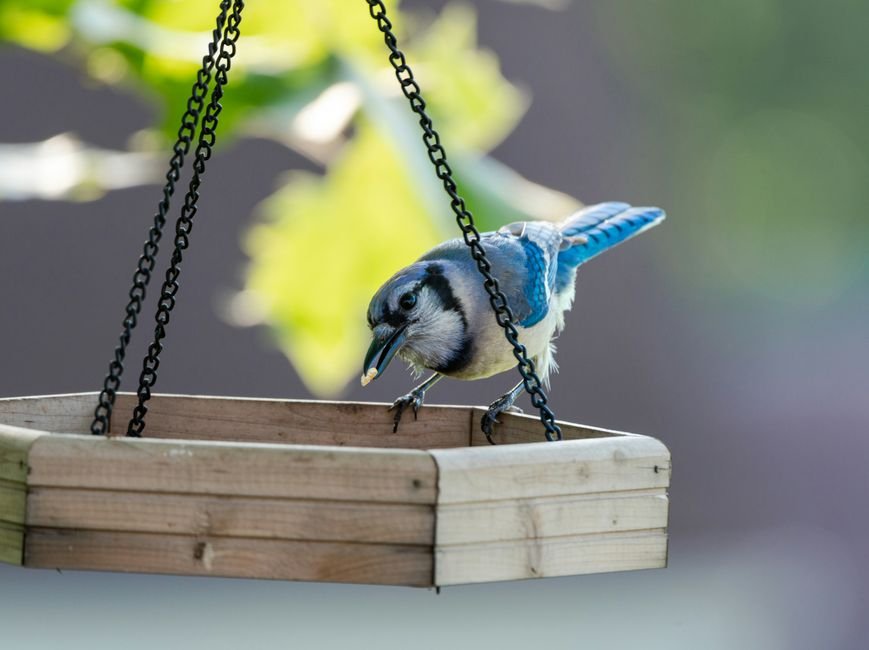
Birds can boost your garden's ecosystem and provide daily entertainment without costing a fortune. By making just a few adjustments, you can invite feathered visitors to your outdoor space. These changes often involve simple and affordable actions that yield rewarding results.
Start by understanding that successful bird attraction hinges on a combination of native plants, water sources, and strategic feeder placements. It’s not just about putting up some bird feeders; it’s about creating a sustainable habitat where birds feel safe and fed. Let’s break down the steps you can take today.
Choosing the Right Plants for Birds
One of the simplest ways to invite birds into your garden is by planting native flora. Native plants provide essential food sources such as seeds, nuts, and berries while offering natural shelter. This is a no-brainer, birds prefer plants that produce foods they are already adapted to eat. For example, a single elderberry can attract songbirds and hummingbirds alike with its rich berries.
I recommend researching local plant lists to understand what thrives in your area.
Additionally, incorporating a variety of plants creates a multi-layered habitat. Planting trees, shrubs, and flowers can offer different types of food and shelter. A mixture of flowering plants will also invite in pollinators, which in turn attract birds that eat insects. In my garden, I’ve seen more visitors since I added sunflowers and coneflowers, both of which are loved by birds.
Setting Up Feeders and Bird Baths
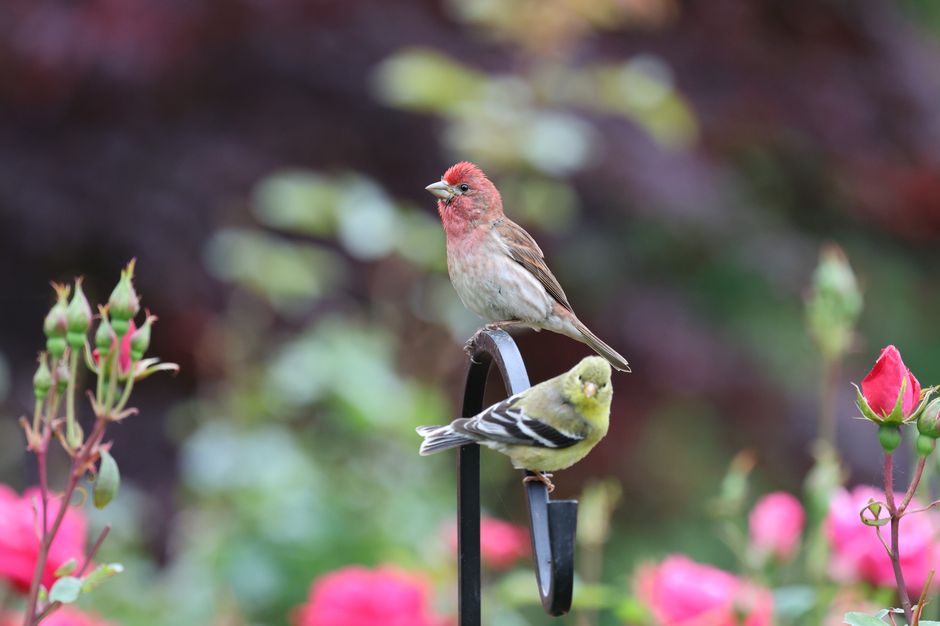
Once your plants are established, it’s time to set up feeders and baths. Bird feeders should be placed in a quiet and accessible area, no more than 10 to 15 feet from a tree or shrub. This gives birds a quick escape route from predators. I suggest using multiple feeders with different types of food; sunflower seedsmealworms, and suet will attract various species.
However, keep the feeders clean to prevent disease. Replace food regularly and rinse the feeder with a vinegar solution to keep it free from mold.
Don’t overlook the importance of water! Birds need water for drinking and bathing, especially in hot weather. A bird bath can be as simple as a shallow dish filled with clean water, but adding motion or a fountain can make it more enticing. Many birds are attracted to moving water, so consider using a bird bath mister to enhance your setup.
I found that when I installed a small fountain in my bird bath, the activity around it dramatically increased. If you are curious about sizing, check this guide on how deep a bird bath should be for safety.

Creating a Safe Habitat
Safety is paramount for birds. In order to attract them, create a haven where they can thrive. Avoid using pesticides or herbicides; these chemicals can harm birds and eliminate their food sources. Instead, opt for natural pest control methods which can protect the insect population that birds feed on. Consider putting up a brush pile or leaving some areas of your garden a little wild.
Birds often look for spots to nest and hide, so having natural cover is essential.
Another critical factor is keeping your feeding area clear of debris. Fallen seeds or old food can attract unwanted pests and disease. Regularly clean your space to promote a healthier environment for your feathered friends.
Monitoring and Seasonal Adjustments
The beauty of attracting birds to your garden is that it’s an ongoing process. Keep track of which birds visit, what they prefer, and adjust accordingly. For instance, during winter, you may want to increase the amount of high-energy suet and peanut butter to help birds through colder months. Similarly, in spring, consider adding more blooming plants to attract insects that birds love.
Don’t be discouraged if you don’t see instant results. It may take a while for birds to feel comfortable in their new habitat. Patience is key, and the more you nurture your garden, the more you will benefit from their visits.
Your Garden Will Become an Avian Oasis
To attract birds, plant native flowers and shrubs that provide natural food sources, and set up a variety of feeders to cater to different species. This approach suits novice gardeners looking for a low-maintenance option while offering more experienced enthusiasts opportunities for diversity. Your efforts will lead to a lively garden filled with avian activity.
Our write-up on clean garden picks up where this leaves off. If you want to learn more about how to attract birds to your garden, check it out!
Frequently Asked Questions
What flowers attract the most birds?
Flowers such as sunflowers, coneflowers, and honeysuckle are particularly attractive to birds. They provide not only nectar for hummingbirds but also seeds for other bird species once they have finished blooming.
Why are birds not coming to my garden?
There could be several reasons why birds are not visiting your garden, including a lack of food sources, insufficient shelter, or the presence of predators. Additionally, if your garden lacks water features or proper nesting sites, birds may choose to stay away.
How can I make my garden bird-friendly?
To create a bird-friendly garden, incorporate a variety of native plants that provide food and shelter, add bird feeders and baths, and reduce the use of pesticides. Creating dense shrubs or trees can also give birds safe places to nest and hide.
Can bird baths help attract birds?
Yes, bird baths are an effective way to attract birds to your garden as they provide a vital water source for drinking and bathing. Ensure the bird bath is shallow, clean, and placed in a quiet area where birds feel safe to visit.
What time of day is best to feed birds?
The best time to feed birds is early in the morning and late afternoon when they are most active in search of food. Offering food during these times ensures that birds can find nourishment before they settle down for the day or during their evening routines.