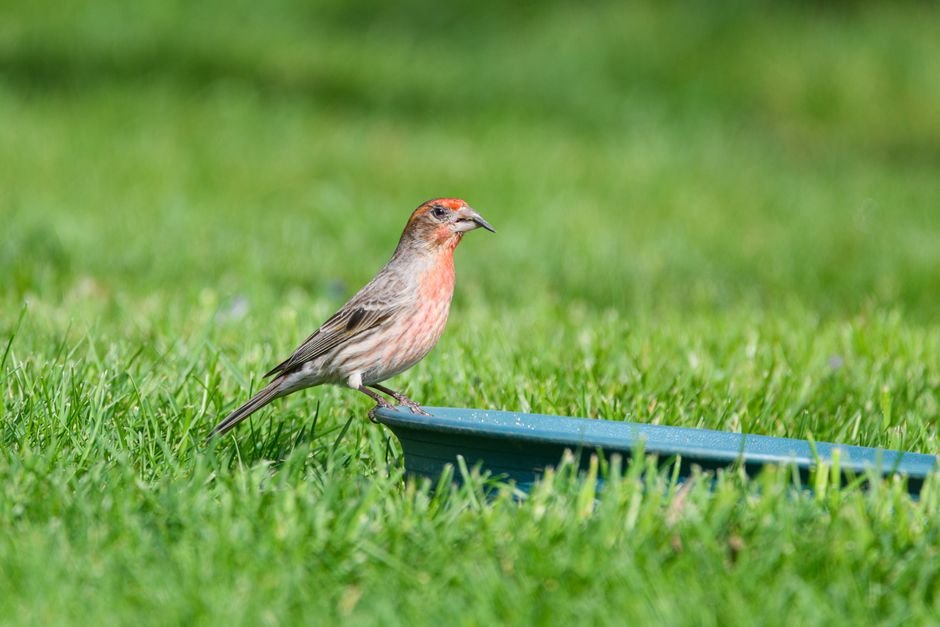
In spring, more than 1,000 finches can return to a single urban garden, signaling a significant seasonal shift. Their vibrant colors and cheerful songs draw attention as they gather to breed after migrating from warmer regions, showcasing their strong connection to environmental changes.
In truth, understanding why finches come back each spring isn’t just about their patterns; it’s about the larger ecosystem dynamics that dictate their movement. Here’s what I’ve found from observing these delightful creatures over the years.

Migration Patterns Drive Spring Arrival
Finches, like many songbirds, follow specific migratory patterns that dictate their seasonal movements. Unlike some birds that migrate based on instinct alone, finches typically return to their breeding grounds when certain environmental conditions are just right. Depending on the species, some finches can travel hundreds or even thousands of miles to get back to their preferred habitats.
For example, the American goldfinch often nests in areas with abundant flower seed sources, which play a crucial role in their survival during the breeding season.
This migratory behavior is not just about returning home; it’s about timing. Finches usually arrive just as their food sources are becoming plentiful again. They synchronize their return with the blooming of plants, which ensures enough seeds are available to feed their chicks once laid. This strategy showcases their smart adaptation to seasonal changes, ensuring the survival of their young.
Environmental Cues for Spring Arrival
Another factor influencing finch migration is the environmental cues they rely on to signal the arrival of spring. These cues can be varied, including changes in temperature, daylight length, and the blooming of specific plants. Finches are particularly sensitive to these signals, as they rely on a rich supply of seeds and insects that become available as temperatures rise.
For instance, many people don’t realize how much day length affects bird behavior. As days lengthen, finches receive signals to return to their nesting areas. This adaptation ensures they arrive when conditions are most favorable, allowing their metabolism to ramp up and their bodies to prepare for the demands of nesting and feeding young.
This remarkable ability to read environmental changes is a sophisticated survival mechanism.

Breeding Season Triggers Arrival
Spring isn’t just a time for finches to travel; it is the heart of their breeding season. This is a crucial period where finches can establish territories, find mates, and raise their young. Many species of finches begin courting and pairing in early spring, taking advantage of the abundant food supply to support the energetic demands of breeding.
The more food available, the greater their chances of successfully raising multiple broods.
During this time, finches’ song activity also escalates. The males sing more frequently and vigorously, using their melodic calls to attract females and assert territorial claims. If you’ve noticed more songbird activity in the spring, you’re not alone; it’s a sight many bird-watching enthusiasts look forward to every year.
Finch Habitat Preferences
As the finches return, their habitat choices also reflect their needs during this critical time. They prefer areas with plenty of food sources and suitable environments for nesting. Gardens, parks, and wildflower patches are often hotspots for finches, particularly those planted with sunflowers, thistles, and other seed-producing plants. A well-stocked bird feeder can also attract these lively visitors to your yard.
If you want to draw them in, consider choosing feeders designed specifically for finches.
Creating an inviting habitat not only supports finches but also enhances your enjoyment of these lively birds. Personally, I find that a diverse seed mix attracts more varieties of finches than just one type alone. Plus, seeing them interact in your space can be a delightful experience, offering close-up views of their beautiful plumage and charming behavior.
There is more on feeder vs bird elsewhere on the site.
Our write-up on northern cardinal picks up where this leaves off.
Final Thoughts: Embrace the Finch Comeback
To attract finches, consider planting sunflowers and providing thistle feederswhich work best for those looking to enhance biodiversity in their gardens. For those seeking minimal upkeep, a simple tube feeder filled with nyjer seeds is a great option.
Frequently Asked Questions
What triggers finches to appear in spring?
Finches typically respond to increasing daylight and warmer temperatures that signify the arrival of spring. These changes in the environment trigger hormonal shifts that prompt migration and breeding behavior.
How do finches choose their spring habitat?
Finches select their spring habitat based on food availability, nesting sites, and suitable climate conditions. They prefer areas with abundant seeds and flowering plants to support their dietary needs during the breeding season.
Is spring the best time to observe finches?
Yes, spring is an excellent time to observe finches as they are more active and vocal during their breeding season. Their colorful plumage is also more noticeable during this time, making them easier to spot.
Why don't finches appear in winter?
Many finches migrate to warmer regions during winter to avoid harsh weather and food scarcity. Some species may remain in milder areas, but overall, their numbers decrease significantly as they seek better survival conditions.
Can climate change affect finch migration?
Yes, climate change can impact finch migration patterns by altering food availability and breeding conditions. Changes in temperature and weather extremes may disrupt their traditional migration schedules and habitats.