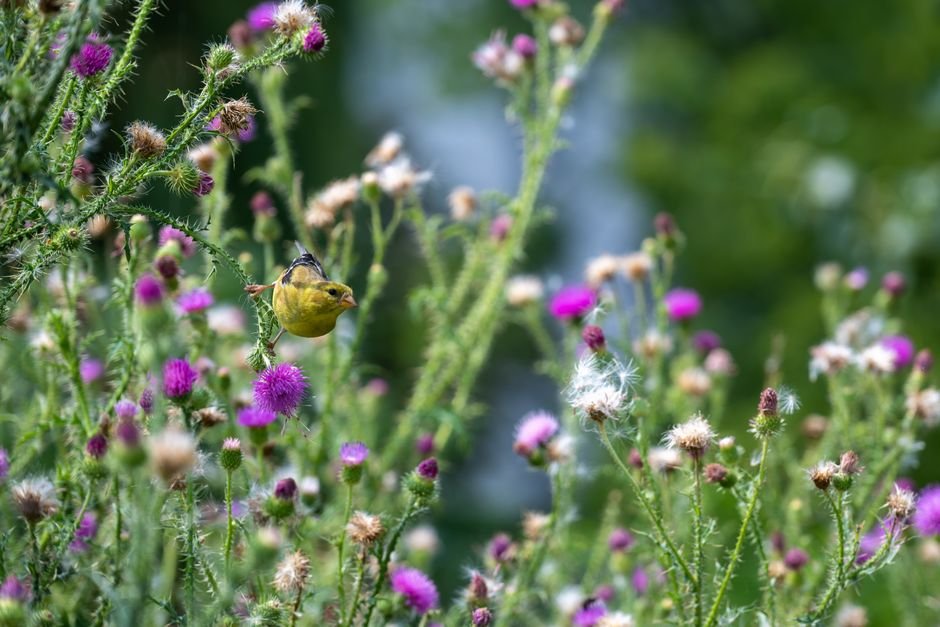
Studies show that gardens with the right plants can attract up to 30 different bird species. Selecting flowering plants that provide nectar and cover is essential for creating an effective bird garden. Here are seven top choices that will not only draw in birds but also enhance your outdoor space.
There’s nothing like watching a hummingbird flit from flower to flower, or hearing the cheerful songs of finches and warblers among the blooms. Each of these plants brings something unique to your garden and supports the local ecosystem in its way. Below are my top seven flowering plants that you should consider for any bird-friendly garden.
1. Bee Balm (Monarda didyma)
Bee Balm is a must-have if your goal is to attract hummingbirds and butterflies. This perennial produces vibrant red, purple, and pink flowers that bloom throughout summer. The flower’s tubular shape is perfect for those hungry hummingbirds. I have found that this plant not only draws birds but also adds a splash of color to my garden.
Tip: To encourage even more blooms, deadhead spent flowers and ensure regular watering, especially in dry spells.
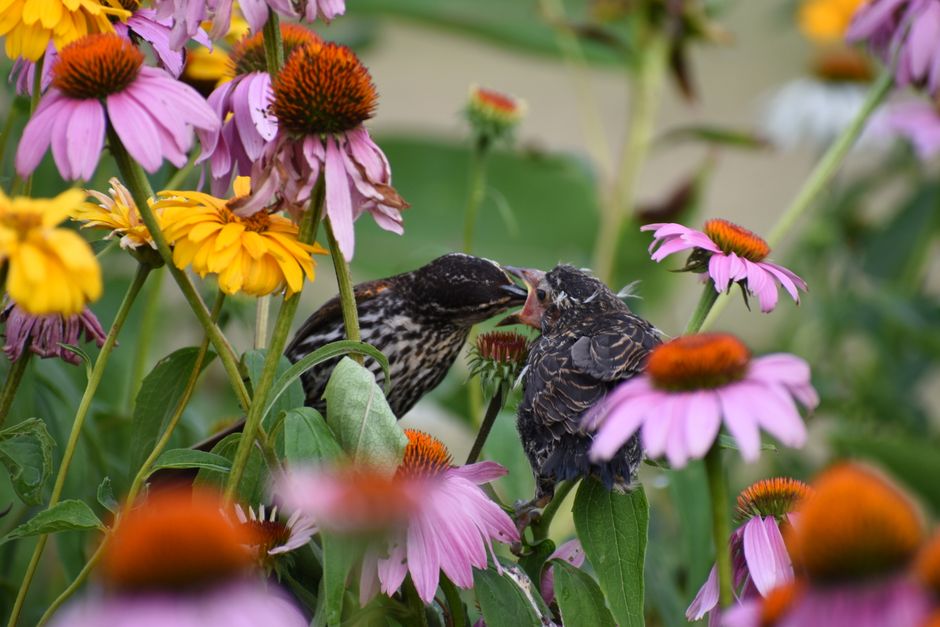
2. Coneflower (Echinacea purpurea)
Coneflowers are both beautiful and practical. With sturdy, daisy-like flowers that come in various shades, primarily pink, orange, and white, these perennials provide seeds for birds in fall and winter. They’re also stunning focal points in any garden. I appreciate how they attract finches, who delight in the seed heads after the blooms fade.
Tip: Plant them in clusters to create a more natural look and to make it easy for birds to forage.
3. Scarlet Sage (Salvia splendens)
Scarlet Sage is another fantastic choice for a hummingbird garden. Its bright red flowers are highly attractive to these birds and bloom from spring through fall. I love the way they stand tall and bold against the backdrop of green foliage. This plant is also drought-tolerant, which is a substantial benefit if you live in areas with low water availability.
Tip: Make sure to plant them in a sunny location for optimal growth and flowering.
4. Milkweed (Asclepias tuberosa)
Milkweed is not just for monarchs. Its clusters of tubular flowers attract both butterflies and birds, providing habitat and nourishment. It’s particularly important if you want to contribute to local pollinator populations. I find that the striking orange or yellow blooms brighten my garden while helping birds and butterflies thrive.
Tip: Be aware that milkweed can spread if not managed, so consider containing it with barriers if needed.
5. Black-eyed Susan (Rudbeckia hirta)
This native flower is excellent for attracting various bird species, especially goldfinches, who enjoy its seeds. Black-eyed Susans offer warm yellows and browns that bloom in late summer, making them a beautiful late-season addition to your bird garden. They also require minimal maintenance, which is a plus for busy gardeners.
Tip: They thrive in full sun and well-drained soil, which is essential to their overall health and growth.
6. Trumpet Vine (Campsis radicans)
Trumpet Vine is perfect for garden spaces with ample room to grow. Its large, trumpet-shaped flowers are mesmerizing to hummingbirds. This vigorous climber can cover fences or trellises beautifully, providing birds with a natural shelter within its foliage. I’ve found that this plant can serve as a striking vertical element in the garden.
Tip: Prune it regularly in the spring to control its growth and encourage more blooms.
7. Aster (Aster spp.)
These fall-blooming perennials are not only a staple in many gardens but also a crucial resource for migratory birds on their journeys. Asters’ blossoms provide late-season forage when many other plants have finished flowering. Their diverse array of colors, from blue to purple, complements any garden style elegantly.
Tip: Plant asters in well-drained soil and select varieties that range in height for visual interest and better bird access.
Making the Most of These Plants
For a sure bet, consider planting bee balm, which thrives in full sun and supports a wide range of birds and pollinators. Alternatively, if your garden has partial shade, columbine could be a better fit. Each plant offers distinct benefits, so choose based on your specific garden conditions.
See also our take on led grow.
See also our take on led grow.
Frequently Asked Questions
What are the best flowers to attract birds?
Some of the best flowers to attract birds include coneflowers, sunflowers, and zinnias. These plants provide nectar for hummingbirds and seeds for finches and sparrows.
How do I create a bird-friendly garden?
To create a bird-friendly garden, incorporate native flowering plants, provide fresh water sources, and ensure there are safe nesting areas. Avoid using pesticides, as they can harm birds and their food sources.
Can plants attract more birds to my yard?
Yes, incorporating a variety of native flowering plants can significantly increase the number of birds visiting your yard. These plants provide essential food resources such as nectar, seeds, and insects.
Why do birds prefer certain plants?
Birds prefer certain plants because they offer abundant food resources, such as nectar, seeds, and fruits, specific to their dietary needs. Additionally, some plants provide better shelter and nesting materials.
How do flowering plants help bird populations?
Flowering plants help bird populations by providing essential food sources and habitats, which support breeding and nesting. This sustains local bird populations and fosters biodiversity in the ecosystem.
Bird-friendly gardens should also consider the best flowering plants for bird gardens, as they enhance the habitat and attract a diverse array of bird species.