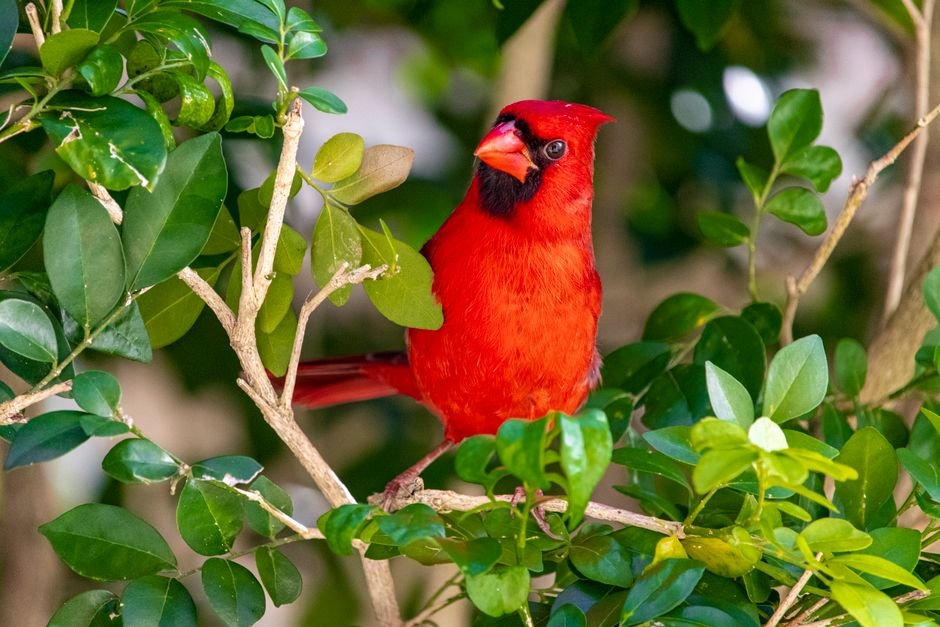
Over 1,000 species of birds in North America rely on shrubs for shelter and food. Selecting the right plants can transform your yard into a haven for these birds while boosting the local ecosystem. Native shrubs are particularly effective at drawing in various bird species.
Here’s a glimpse of the nine bird-friendly shrubs that work wonders in smaller spaces. They’re all about serving the dual purpose of aesthetics and support for local wildlife, specifically birds.
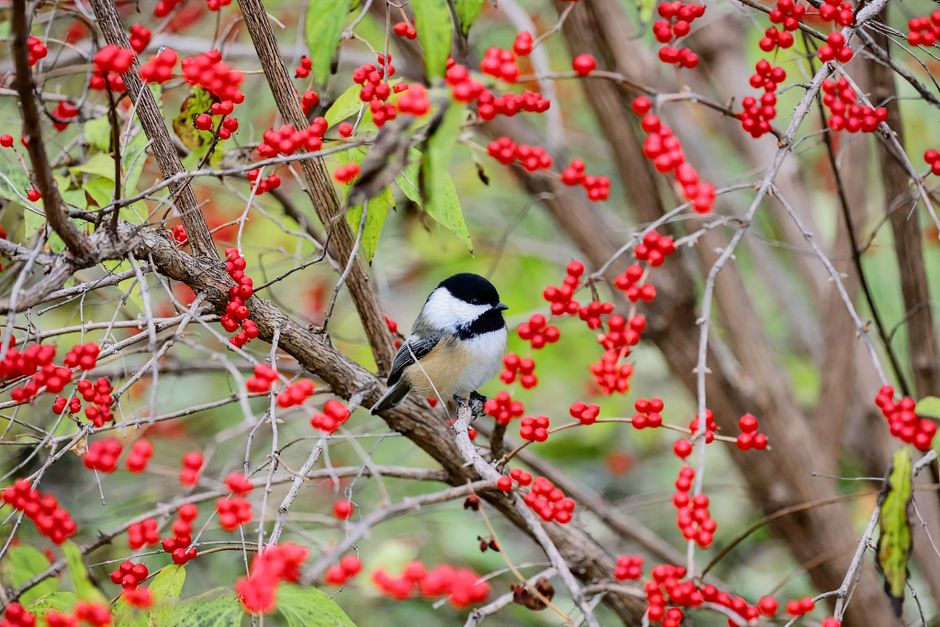
1. Serviceberry (Amelanchier spp.)
Serviceberry is one of my go-to options for a bird-friendly shrub. With its beautiful white blooms in early spring, it attracts numerous pollinators. Come summer, it produces small, sweet berries that are a favorite among birds like robins and cedar waxwings. You can size it appropriately for your garden, as it can be pruned to maintain a smaller form.
This shrub thrives in full sun to partial shade and adapts well to different soil types. Plant it in groups to increase its appeal to birds.
2. Blueberry (Vaccinium spp.)
Blueberries are particularly rewarding because they are not just bird-friendly; they also produce delicious fruit for humans. Their dense foliage provides shelter, while the berries attract species like blue jays and cardinals. I highly recommend choosing a variety that grows well in your climate, with options for both highbush and lowbush blueberries.
Planting at least two varieties ensures better fruit production, as they often need cross-pollination to yield a good harvest.
3. Elderberry (Sambucus canadensis)
Elderberry is an essential native shrub that birds absolutely adore. The clusters of white flowers attract butterflies, and the dark purple berries are a late-summer feast for various bird species, including thrushes and finches. This one grows relatively tall, making it a perfect backdrop shrub. Plus, it can tolerate wet soil conditions, ideal for low-lying areas in your garden.
A word of caution: while the berries can be consumed after cooking, raw berries and other parts of this plant can be toxic to humans, so handle accordingly.
4. Winterberry (Ilex verticillata)
Winterberry is a deciduous holly that brings vibrant red berries during the winter months, making it a visual delight when many other shrubs are bare. Birds like mockingbirds and robins will flock to your garden for these berries. Plant male and female varieties together, as only the females produce berries.
For the best berry production, choose a sunny spot and ensure you provide ample water, particularly during the hottest months.
5. Spicebush (Lindera benzoin)
Spicebush is not only a beautiful shrub but also highly valuable for its aromatic leaves and fruit. This native shrub supports many types of wildlife, including migrating songbirds. The yellow flowers in early spring attract pollinators as well. What’s great about spicebush is that it tolerates shade, making it ideal for less sunny spots in your yard.
This shrub thrives in rich, moist soil. Plan to harvest the leaves and use them for flavoring, while leaving some for the birds.
6. Black Chokeberry (Aronia melanocarpa)
Black chokeberry earns its spot on this list because of its attractive white flowers and dark berries, appealing to species such as orioles and waxwings. This shrub grows in a clumping fashion, which creates an effective hedge for privacy while also providing safety for birds. Additionally, it is drought-resistant once established.
Keep in mind that the fruit is quite astringent for human tastes, but birds will enjoy it fully.
7. Pawpaw (Asimina triloba)
Pawpaw is a unique candidate because it is the only temperate member of the tropical custard apple family. It produces large, green fruit that is beloved by birds such as turkeys and woodpeckers. This shrub flourishes in rich, well-draining soil and can reach heights of 15 to 20 feet, offering both fruit and habitat.
If you want to see results, you’ll need more than one to ensure cross-pollination, as they tend to be self-sterile. The effort pays off with a tasty fruit crop!
How to Choose
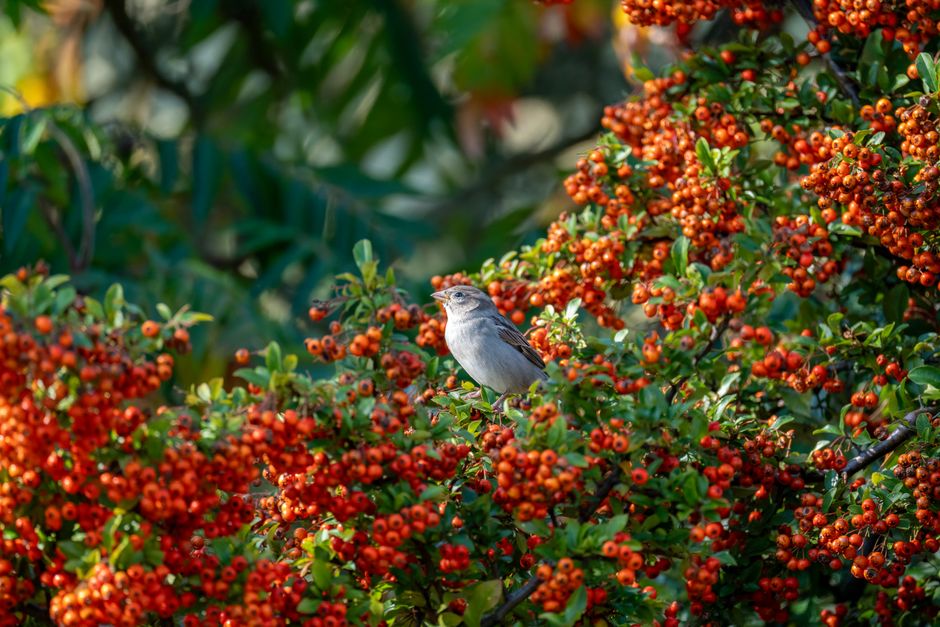
For maximum impact, consider planting elderberry shrubs, which attract a wide range of birds and also produce edible berries for human use. If you're gardening in a smaller space, highbush cranberry is an excellent choice that provides nourishment for birds while taking up less room. Remember to also include some junipers for year-round cover during the colder months, and incorporate bird-friendly shrubs that support local wildlife.
For more, read about clean garden.
Frequently Asked Questions
What are the best shrubs for attracting birds?
Some of the best shrubs for attracting birds include serviceberry, dogwood, and elderberry. These shrubs provide essential food sources and shelter for various bird species.
How do bird-friendly shrubs benefit wildlife?
Bird-friendly shrubs offer food, nesting materials, and shelter for wildlife, creating a supportive habitat. They can also serve as a food source for insects, which in turn support insectivorous birds.
Can bird-friendly shrubs grow in containers?
Yes, many bird-friendly shrubs can successfully grow in containers, provided they receive adequate sunlight and water. Container gardening allows for flexibility in placement and can attract birds even in small spaces.
Why are native shrubs better for birds?
Native shrubs are better for birds because they are adapted to the local climate and soil conditions, providing optimal food and shelter. Additionally, they usually support a greater variety of native insects, which many birds depend on for food.
Which shrubs provide berries for birds?
Shrubs such as holly, chokecherry, and viburnum are well-known for producing berries that are highly favored by birds. These berries serve as a vital food source, especially during the winter months.