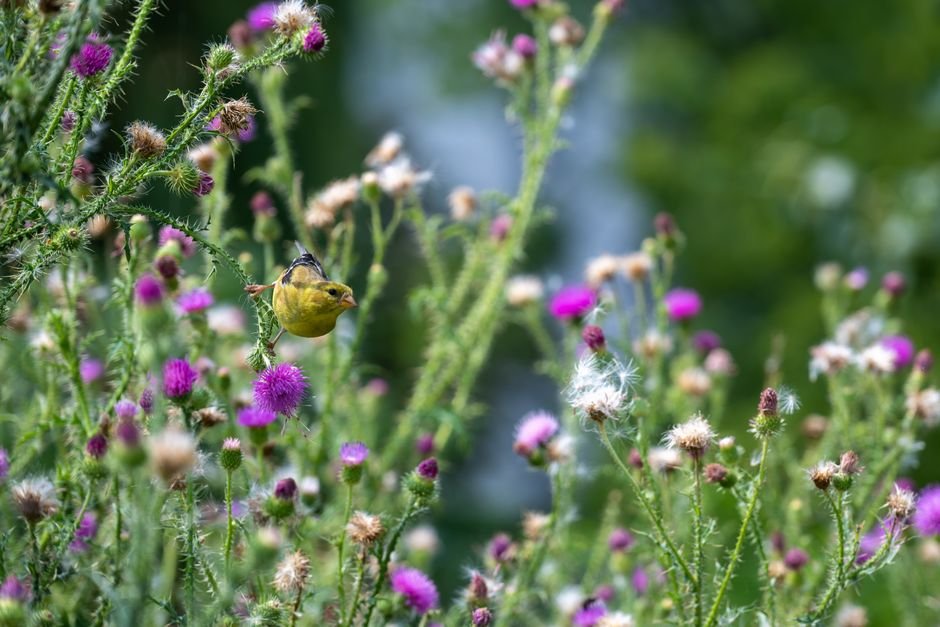
Planting the right bird attractant species can increase the number of bird visitors in your garden by up to 50%. By selecting seven targeted plants that provide vital resources like nectar, seeds, and shelter, you can create an environment that welcomes various bird species.
Selecting the right plants can transform your garden into a sanctuary for birds. Consider your local climate, soil type, and available space when making your choices. Native plants often require less maintenance and provide the best results. Let’s dive into my top picks.
1. Eastern Red Cedar (Juniperus virginiana)
The Eastern Red Cedar is a robust evergreen that not only stands out in your garden but also serves as an excellent habitat for many bird species. It produces small blue berries, which are a food source for birds like cedar waxwings and thrushes. The dense foliage provides shelter from predators, making it a safe haven for nesting.
Plant it in well-drained soil and ensure it receives full sunlight. This hardy tree can thrive in various conditions and requires minimal care once established.
2. Milkweed (Asclepias spp.)
Milkweed is a must-have if you’re looking to attract pollinators and birds alike. Its nectar-rich blooms attract butterflies and hummingbirds, while the seeds provide nourishment for finches and other seed-eaters. Many native birds depend on milkweed for shelter and nesting materials as well.
Choose a variety suited to your region, as there are many types. Planting a mix can create a vibrant display that draws in a diverse group of birds.
3. Blueberry Bush (Vaccinium spp.)
Blueberry bushes are a favorite among gardeners for their delicious fruit and their ability to attract birds. The berries are high in antioxidants, appealing to many small birds, including cardinals and robins. Besides the food aspect, their flowers provide nectar in the spring, making them attractive all year round.
Keep the soil slightly acidic and ensure adequate water during the dry months for healthy fruit production. Regular pruning helps maintain the bush’s shape and improves berry yield.
4. Coneflower (Echinacea purpurea)
Coneflowers are classic perennial plants beloved for their resilience and beauty. Their prominent seed heads are irresistible to goldfinches and other birds, especially in late summer and fall. Coneflowers also thrive in poor soil and require minimal care, making them a favorite for busy gardeners.
Deadheading spent blooms encourages more flowers and extends their blooming period, providing extra sustenance for your feathered friends.
5. Coral Honeysuckle (Lonicera sempervirens)
This native climbing vine is known for its striking tubular flowers that attract hummingbirds seeking nectar. The Coral Honeysuckle’s fragrant blooms enhance the garden’s beauty while its fruit offers access to calories for various bird species in late summer. The vine also provides excellent coverage and shelter.
Train it along a trellis or fence for optimal growth and visibility. Regular pruning helps manage its size and encourages abundant flowering.
6. Wild Strawberry (Fragaria virginiana)
If you have a spot in your garden that could use a touch of ground cover, consider planting Wild Strawberry. These plants produce sweet, small strawberries loved by birds, especially in early summer. You’ll also support pollinators in your area and enjoy the related biodiversity.
Wild Strawberries prefer well-drained soil and full sun but are adaptable. Just remember to keep an eye on their spread since they can become quite prolific.

7. Serviceberry (Amelanchier canadensis)
Serviceberries are beautiful multi-stemmed trees or large shrubs that produce sweet, edible berries and create stunning spring flowers. Birds and mammals enjoy the fruits, and the tree itself provides excellent nesting sites. With its appealing fall color, it also adds visual interest as the seasons change.
Serviceberries prefer moist, well-drained soil and full sun, but they can handle partial shade as well. Regular moisture is essential during dry spells to ensure healthy growth and fruit production.
Making the Most of These Plants
For the best results, consider adding native milkweed, which attracts butterflies and hummingbirds while supporting caterpillars. Alternatively, sunflowers are great for gardeners who want to attract larger birds such as finches and sparrows. Additionally, look into the best bird attractant plants for gardens for more options.
Related reading: grow lights for indoor.
Related reading: grow lights for indoor.
Frequently Asked Questions
What plants attract birds to your garden?
Plants such as coneflowers, sunflowers, and zinnias attract birds with their seeds. Additionally, shrubs like elderberry and serviceberry provide both shelter and food.
How do you attract birds with plants?
To attract birds, choose a variety of native plants that produce seeds, nectar, and berries. Ensure there are plants that provide cover and nesting sites for birds to feel safe.
Which flowers attract the most birds?
Flowers like bee balm, salvia, and trumpet vine are particularly attractive to birds, especially hummingbirds. These plants provide nectar, which is a favorite food source.
Can native plants attract birds?
Yes, native plants are particularly effective at attracting birds because they provide food and habitat that local bird species have evolved to use. Incorporating a mix of native flowers, shrubs, and trees will create a welcoming environment for various birds.
Why are berries important for bird gardens?
Berries are an essential food source for many bird species, providing them with the necessary energy and nutrients. Plants that produce berries, such as chokecherry and holly, also offer habitat and protection for birds.