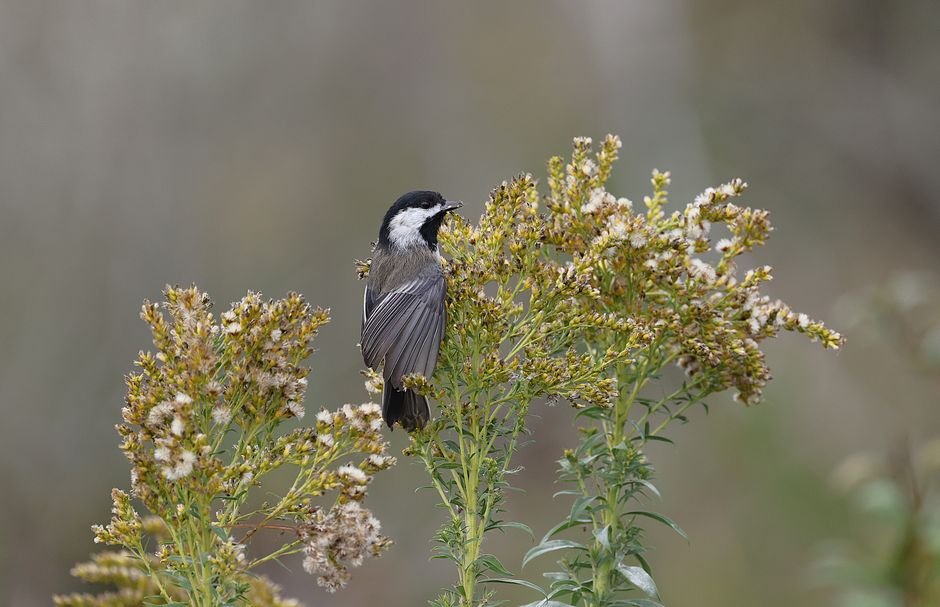
Nearly half of North America’s bird species depend on native plants for food and shelter. These plants are essential to maintaining robust bird populations and support the intricate relationships within their ecosystems. Understanding their importance can enhance the way we contribute to bird conservation efforts.
In my own experience, I’ve seen how a single garden filled with native species can transform into a vibrant habitat for birds. Not only do these plants provide essential resources, but they also create a more balanced ecosystem. Here’s an in-depth look at the common mistakes people make regarding native plants and their significance for avian life.

Choosing Non-Native Plants and Losing Habitats
One major pitfall is opting for non-native plants, under the assumption they will be easier to cultivate or more aesthetically pleasing. This choice can actually eliminate critical food and shelter opportunities for local birds, which have evolved to depend on specific species present in their natural habitats. Non-native plants often fail to provide the insects that native birds rely on for food during nesting seasons.
For example, a cardinal typically enjoys seeds from native sunflowers or goldenrods, but if you plant only non-native ornamentals, you immediately deprive them of this resource. Birds like the American Goldfinch depend on native thistles to feed their young. Without local plants, you won’t have local birds.
Whenever I plan a garden, I prioritize native species because I know the positive impact they will have on local wildlife. It’s not just about planting pretty flowers; it’s about supporting an entire ecosystem.
Ignoring Biodiversity and Its Benefits
Biodiversity is often touted, but many don’t grasp its importance. A diverse ecosystem supports various plants and animals, leading to a stable environment. Native plants are critical for maintaining biodiversity because they coexist with specific fungi, insects, and birds, all working together in a balanced system.
When you introduce non-native species, you can disrupt this balance. Birds that once thrived in an ecosystem filled with native plants may struggle to find food or nesting sites due to the altered dynamics. When you encourage biodiversity through native plants, you are not just helping birds; you’re creating a robust environment that deals better with pests and diseases, ultimately leading to a healthier garden.
In my experience, planting multiple types of native plants creates layers of habitat. The more diverse the planting, the more species of birds you can attract. A cohesive ecosystem can include everything from ground cover to towering trees, providing various niches to support different species.

Underestimating the Importance of Ecosystem Services
Many people underestimate the ecosystem services that native plants can provide. These services include filtering water, sequestering carbon, and controlling floods. While these benefits may seem disconnected from bird populations, they are vital to supporting a healthy habitat.
For instance, a lush native landscape helps retain soil moisture and reduces runoff, creating an ideal environment for nesting birds. Without strong, thriving soils, plants struggle to grow, which means fewer insects and seeds for birds.
One common misconception is that just any plants will do in landscaping. Many choose to go for trendy, exotic plants without realizing how detrimental this can be. I now always look for plants like milkweed or cone flowers, which not only beautify my space but also play an essential role in the ecosystem.
Neglecting Pollinator Relationships
Ignoring the relationship between native plants and pollinators can be detrimental to bird populations. Native birds, particularly songbirds, depend on the insects that pollinate native plants. Without native flowers, there will be fewer insects, leading to less food for these birds.
It’s quite eye-opening when you consider that certain birds, such as hummingbirds, are drawn primarily to specific native plants for nectar. Planting natives encourages these versatile pollinators, creating a chain reaction that elevates the entire ecosystem. Without them, birds can’t thrive.
As I’ve learned more about gardening and ecosystems, I’ve found that creating a pollinator-friendly environment that includes various flowering native plants is one of the best ways to support my local bird population.
Final Verdict: Foster and Restore Native Habitats
To effectively support local bird populations, choose native plants like milkweed or echinacea for your garden, which benefit pollinators and birds alike. Those looking for low-maintenance options may prefer native grasses, which provide cover and breeding grounds for various species. For more information on why are native plants important for birds, you can visit this link.
For more, read about led grow.
For more, read about thistle feeder.
Frequently Asked Questions
What native plants attract the most birds?
Native plants like goldenrods, coneflowers, and sunflowers are particularly attractive to birds, providing essential seeds, nectar, and habitat. Species such as oak and elderberry are also beneficial as they offer food and shelter.
How do native plants benefit bird populations?
Native plants support bird populations by providing critical food sources such as seeds, berries, and insects. They also create natural habitats that offer nesting sites and protection from predators.
Can non-native plants harm birds?
Yes, non-native plants can harm birds by disrupting local ecosystems and outcompeting native plants. This reduction in native flora can lead to decreased food availability and habitat loss for bird species.
Why do birds prefer native plants?
Birds prefer native plants because these species have co-evolved with them, providing the specific food and habitat requirements that birds need. Native plants also attract native insects, which are essential food sources for many bird species, especially during breeding seasons.
How to choose native plants for bird gardens?
To choose native plants for bird gardens, select species that are native to your region and understand the birds you wish to attract. Consider incorporating a variety of plants that produce seeds, berries, and nectar to support different bird species throughout the year.