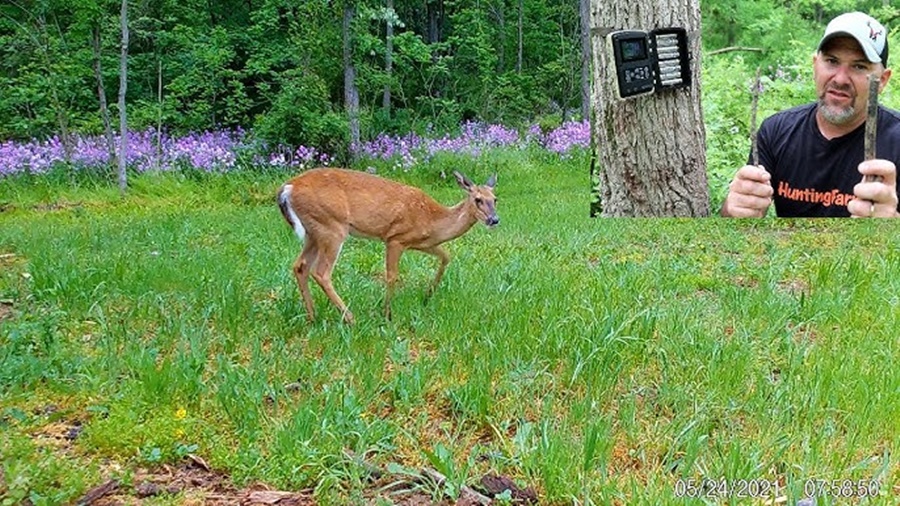
Trail camera wide-angle lenses typically cover a field of view between 100 to 120 degrees, making them ideal for capturing expansive scenes, while narrow-angle lenses provide a focused view of approximately 45 to 60 degrees. Understanding this key difference is essential for enhancing image quality and utility in wildlife monitoring and property surveillance.
This article explores both options in detail, helping you decide which is best for your specific needs.
What Is Lens Angle in Trail Cameras?
The lens angle, also called the field of view (FOV), refers to how much of the scene the camera can capture. It is measured in degrees.
- Wide-angle cameras typically have a field of view between 80° and 120° or more.
- Narrow-angle cameras usually range from 40° to 60°.
A wider angle captures more area, while a narrower angle focuses on a smaller, more specific zone.
Wide Angle Trail Cameras
Advantages
1. Greater Coverage Area
Wide-angle cameras can monitor a large space in a single frame. This makes them ideal for:
- Open fields
- Food plots
- Large clearings
- Surveillance of wide areas
2. Higher Chances of Capturing Movement
Because of the broader view, animals or people entering from different directions are more likely to be captured.
3. Better for Close-Range Activity
If animals pass close to the camera, a wide-angle lens ensures they remain fully in frame rather than being cut off.
Disadvantages
1. Reduced Detail at Distance
Objects farther away may appear smaller and less detailed, making identification harder.
2. Image Distortion
Wide lenses can introduce slight distortion, especially at the edges of the frame.
3. Less Focus on Specific Targets
If your goal is to monitor a precise trail or path, the extra coverage may include unnecessary areas.
Narrow Angle Trail Cameras
Advantages
1. Enhanced Detail and Clarity
Narrow-angle cameras concentrate on a smaller area, providing sharper and more detailed images especially at longer distances.
2. Ideal for Specific Trails or Paths
Perfect for:
- Game trails
- Funnels
- Entry/exit points
- Feeding spots with predictable movement
3. Better Subject Framing at Distance
Animals appear larger in the frame compared to wide-angle cameras, making identification easier.
Disadvantages
1. Limited Coverage Area
You may miss animals that pass outside the narrow field of view.
2. Requires Precise Placement
Positioning is critical. A slight misalignment can result in missed shots.
3. Less Effective for Close Encounters
If an animal passes too close, it may move out of frame quickly or appear partially cut off.
Key Differences at a Glance
| Feature | Wide Angle | Narrow Angle |
|---|---|---|
| Field of View | Large (80°–120°+) | Small (40°–60°) |
| Coverage Area | Broad | Focused |
| Detail at Distance | Lower | Higher |
| Best Use Case | Open areas | Trails and specific targets |
| Placement Ease | More forgiving | Requires precision |
Which One Should You Choose?
The right choice depends entirely on your purpose:
- Choose a wide-angle trail camera if:
- You want to monitor a large area
- Animal movement is unpredictable
- You expect close-range activity
- Choose a narrow-angle trail camera if:
- You are targeting a specific path or trail
- You need clear identification of animals
- The distance to the subject is greater
Pro Tip: Hybrid Use
Many experienced users deploy both types together. For example:
- A wide-angle camera to detect general movement
- A narrow-angle camera to capture detailed images at key points
This combination maximizes coverage and detail simultaneously.
Conclusion
Choosing between wide and narrow angle trail cameras is not about which is better overall it’s about which is better for your situation. Wide-angle cameras offer flexibility and broader coverage, while narrow-angle cameras provide precision and detail.
Before making a decision, consider your environment, target species, camera placement options, and what you value more: coverage or clarity.