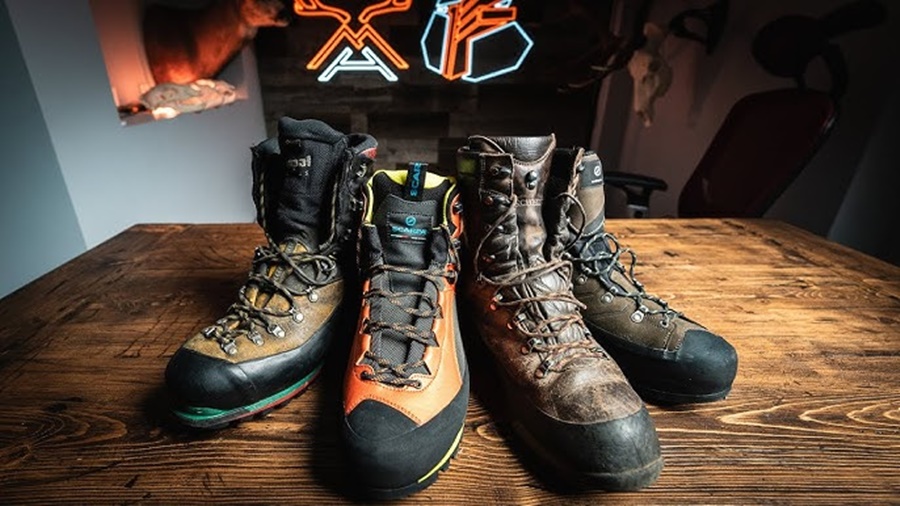
Choosing the right hunting boots can make or break your outdoor experience. Whether you are trekking through steep mountain terrain, stalking deer in wet forests, or sitting in a cold blind for hours, your boots directly affect comfort, safety, endurance, and hunting success. One of the biggest decisions hunters face is whether to choose lightweight hunting boots or heavy-duty hunting boots.
Both types offer distinct advantages and disadvantages. The best option depends on your hunting style, climate, terrain, and physical demands. This article explores the differences between lightweight and heavy-duty hunting boots, compares their features, and helps you determine which type is best for your next hunt.
Understanding Lightweight Hunting Boots
Lightweight hunting boots are designed for mobility, speed, and comfort. They typically use lighter materials such as synthetic fabrics, mesh panels, and flexible midsoles to reduce fatigue during long walks or active hunts.
These boots are popular among hunters who cover large distances, hunt in mild weather, or prioritize agility over maximum protection.
Key Features of Lightweight Hunting Boots
Reduced Weight
The most obvious benefit is their lighter construction. Less weight on your feet means less energy expenditure over long distances.
Flexible Design
Lightweight boots often have more flexible soles and uppers, allowing natural foot movement and easier walking.
Breathability
Many lightweight boots include breathable materials that improve airflow and reduce sweat buildup.
Faster Break-In Period
Unlike stiff leather boots, lightweight models usually feel comfortable sooner and require minimal break-in time.
Moderate Insulation
Most lightweight hunting boots have light insulation or none at all, making them suitable for warmer climates or active hunts.
Advantages of Lightweight Hunting Boots
Better Mobility
Hunters who move constantly through forests, hills, or open country benefit from increased agility and speed. Lightweight boots allow quicker movement and reduce leg fatigue.
Greater Comfort During Long Walks
For spot-and-stalk hunting or long hikes, lighter footwear minimizes stress on the knees and ankles.
Ideal for Warm Weather
Breathable materials keep feet cooler and reduce moisture buildup in mild or hot conditions.
Easier Packing and Travel
Lightweight boots are easier to carry during travel hunts or multi-day expeditions where gear weight matters.
Quieter Movement
Many lightweight boots produce less noise while walking, helping hunters remain stealthy in dry leaves or brush.
Disadvantages of Lightweight Hunting Boots
Less Ankle Support
Because they are more flexible, lightweight boots may not provide enough support on rough or rocky terrain.
Reduced Durability
Lighter materials often wear out faster, especially under heavy use or harsh conditions.
Limited Protection
These boots may not protect well against sharp rocks, thick brush, mud, or extreme cold.
Lower Insulation
In freezing temperatures or snowy conditions, lightweight boots may not provide enough warmth for stationary hunts.
Understanding Heavy-Duty Hunting Boots
Heavy-duty hunting boots are built for maximum durability, protection, and support. They are commonly made from thick leather, reinforced rubber, and rigid soles designed for demanding environments.
These boots are preferred by hunters operating in mountainous terrain, cold weather, wetlands, or rugged backcountry conditions.
Key Features of Heavy-Duty Hunting Boots
Strong Construction
Heavy-duty boots use durable materials that withstand rough terrain and harsh weather.
Superior Ankle Support
Stiff uppers and reinforced structures stabilize the foot during steep climbs or heavy pack loads.
Enhanced Insulation
Many heavy-duty boots include thick insulation for cold-weather hunting.
Waterproof Protection
These boots are often equipped with advanced waterproof membranes and sealed construction.
Aggressive Traction
Deep tread patterns improve grip on mud, snow, rocks, and slippery surfaces.
Advantages of Heavy-Duty Hunting Boots
Maximum Durability
Heavy-duty boots are designed to handle years of abuse in difficult environments.
Better Protection
They shield feet from rocks, branches, thorns, water, and harsh weather conditions.
Excellent for Cold Weather
Insulated models help maintain warmth during winter hunts or extended periods of sitting still.
Improved Stability
Rigid soles and ankle support reduce injury risk on uneven or steep terrain.
Better Load Carrying Capability
Hunters carrying heavy backpacks or game meat benefit from stronger support and stability.
Disadvantages of Heavy-Duty Hunting Boots
Heavier Weight
The extra protection comes with additional weight, which can cause fatigue during long hikes.
Longer Break-In Time
Stiffer materials often require several outings before becoming fully comfortable.
Reduced Breathability
Heavy-duty boots can trap heat and moisture, especially during warm-weather hunts.
Less Flexibility
Rigid construction may feel restrictive during fast-paced or highly mobile hunting styles.
Comparing Lightweight and Heavy-Duty Hunting Boots
Comfort
Lightweight boots generally feel more comfortable for active movement and long-distance walking. Heavy-duty boots prioritize support and protection over flexibility.
Terrain Performance
Heavy-duty boots perform better in rocky mountains, swampy ground, and rugged wilderness. Lightweight boots excel in flat terrain, dry forests, and moderate conditions.
Weather Suitability
Warm weather favors lightweight boots due to breathability. Cold, wet, or snowy conditions favor insulated heavy-duty boots.
Durability
Heavy-duty hunting boots usually last longer because of tougher construction materials.
Speed and Agility
Lightweight boots allow quicker movement and reduced fatigue, making them ideal for active hunters.
Best Situations for Lightweight Hunting Boots
Lightweight hunting boots are ideal for:
- Early-season hunting
- Warm or mild climates
- Spot-and-stalk hunting
- Turkey hunting
- Small game hunting
- Flat or moderately rough terrain
- Hunters who walk long distances
- Fast-paced hunting styles
Hunters who value mobility and comfort often prefer lightweight options.
Best Situations for Heavy-Duty Hunting Boots
Heavy-duty hunting boots are best for:
- Mountain hunting
- Cold-weather hunting
- Snowy or wet conditions
- Backcountry expeditions
- Carrying heavy gear or meat
- Rocky or uneven terrain
- Extended multi-day hunts
- Stationary hunting in freezing temperatures
Hunters facing extreme environments benefit greatly from the protection and support of heavy-duty boots.
Factors to Consider Before Buying Hunting Boots
Hunting Environment
Your terrain and climate should heavily influence your decision. Match the boot to your most common hunting conditions.
Distance Traveled
Long-distance hunters often prefer lightweight boots to reduce fatigue.
Weather Conditions
Cold and wet weather require better insulation and waterproofing.
Physical Fitness
Heavy boots can be tiring for some hunters, especially during steep climbs or extended hikes.
Load Weight
If you carry heavy packs or expect to haul meat, stronger support becomes more important.
Boot Fit
No matter the type, proper fit is critical. Ill-fitting boots can cause blisters, pain, and reduced performance.
Hybrid Hunting Boots: A Middle Ground
Some modern hunting boots combine features from both categories. Hybrid boots aim to balance lightweight comfort with moderate support and durability.
These boots may include:
- Lightweight synthetic materials
- Reinforced ankle support
- Waterproof membranes
- Medium insulation
- Flexible yet durable soles
Hybrid boots are becoming increasingly popular among hunters seeking versatility.
Tips for Choosing the Right Hunting Boots
Try Boots with Hunting Socks
Always test boots while wearing the socks you plan to use during hunts.
Break Them In Early
Even lightweight boots should be worn before hunting season to prevent discomfort.
Consider Waterproofing
Wet feet can ruin a hunt quickly. Waterproof boots are valuable in many environments.
Focus on Fit Over Brand
The best boot is the one that fits your feet comfortably and matches your hunting needs.
Think About Your Hunting Style
Mobile hunters usually prefer lightweight boots, while stationary or mountain hunters often benefit from heavy-duty models.
Conclusion
There is no universal winner between lightweight hunting boots and heavy-duty hunting boots. Each serves a different purpose, and the right choice depends on your hunting environment and personal preferences.
Choose lightweight hunting boots if you prioritize speed, comfort, breathability, and mobility during active hunts in mild conditions.
Choose heavy-duty hunting boots if you need durability, warmth, support, and protection in rugged terrain or extreme weather.
Many experienced hunters eventually own both types and switch depending on the season and terrain. Investing in the right footwear improves comfort, reduces fatigue, and helps you stay focused on the hunt rather than your feet.
Ultimately, the best hunting boots are the ones that keep you comfortable, stable, and prepared for the conditions you face in the field.