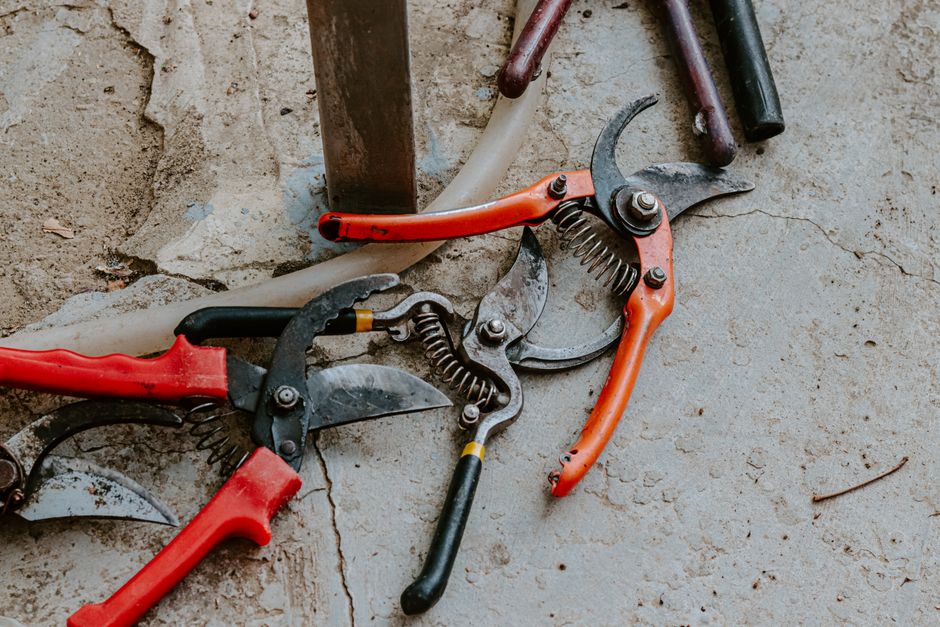
One of the most common garden maintenance mistakes is overwatering, which can lead to root rot and the loss of about 30% of plants. Novice gardeners often overlook the importance of soil moisture levels, causing frustration and wasted efforts. Drawing from personal experience, I aim to share valuable insights to help you avoid these pitfalls and foster a thriving garden.
This complete guide outlines the most prevalent garden maintenance mistakes I’ve observed and how you can avoid making the same errors. With a little awareness and adjustment to your gardening practices, you can cultivate a thriving garden that flourishes throughout the seasons.
Introduction to Common Garden Mistakes
One of the biggest challenges I faced early on was understanding the intricacies involved in plant care. My initial enthusiasm led me to overwater many of my plants, thinking that extra hydration would make them thrive. Instead, I learned the hard way that overwatering can drown roots and promote fungal diseases, leading to plant death.
Additionally, I also found that neglecting essential tasks, like pruning and deadheading, transformed my once-tidy garden into a jungle of overgrowth. It was overwhelming to take on such a mess, but overcoming these challenges taught me vital lessons about the importance of regular maintenance.

Top Garden Maintenance Errors to Avoid
Overwatering is just one of the many pitfalls in garden maintenance. Another mistake I learned about is poor soil management. When I first started gardening, I didn’t realize how crucial it was to test and amend my soil. Each plant has specific nutrient needs, and without proper soil conditions, growth can stall or lead to unhealthy plants.
Another common garden maintenance mistake I’ve witnessed is neglecting pest control. I often assumed that my garden would take care of itself, but I quickly ended up with a pest problem that spiraled out of control. Regularly checking for signs of pests and taking preventive measures can save your plants a lot of stress.

Tips for Effective Garden Care
To avoid garden maintenance mistakes, I’ve developed a simple routine that I now swear by. Start with regular soil testing to understand your soil’s pH and nutrient levels. I use home testing kits to ensure my plants get what they need, adjusting with organic compost or fertilizers as necessary.
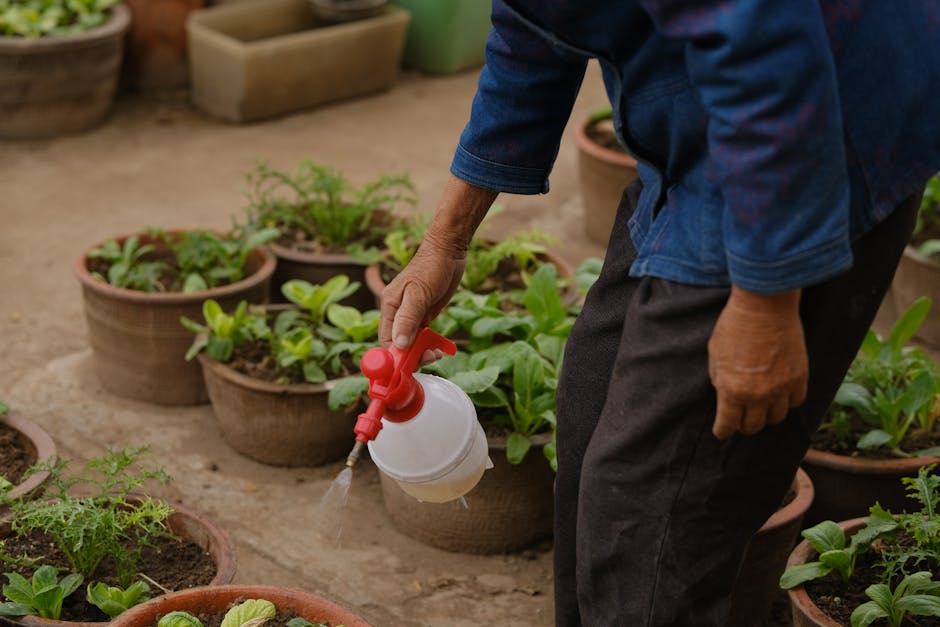
Moreover, I’ve learned the value of a solid watering routine. Instead of daily watering, I observe the soil moisture. This led me to establish a schedule that ensures my plants get adequate hydration without overdoing it. Drip irrigation systems or soaker hoses can also help maintain optimal moisture levels.
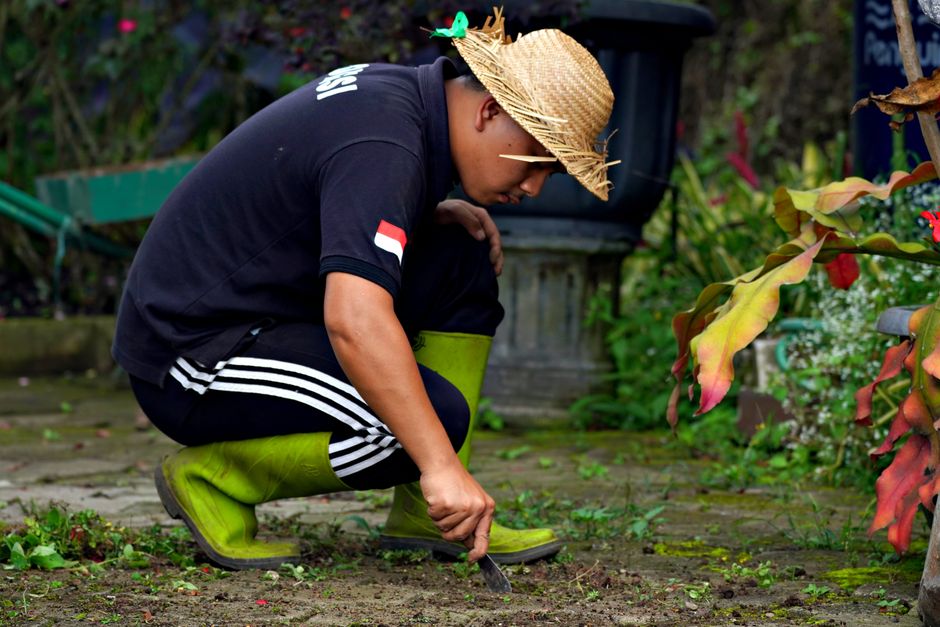
How Can I Prevent Seasonal Garden Issues?
Seasonal changes can introduce unique challenges to garden maintenance, so being proactive can mitigate many common issues. Start by rotating your crops annually. In my experience, this prevents soil nutrient depletion and reduces pest problems. Different plants interact uniquely with the soil, so rotation benefits overall garden health.
Furthermore, implementing winter preparation for your garden can make a significant difference. I’ve taken the time to mulch my plants, insulate their roots, and shield them from harsh winter winds. This preparation not only protects them but also rewards me with a more vibrant garden in spring.
Conclusion: Enhancing Your Gardening Skills
Understanding and avoiding garden maintenance mistakes truly transforms your gardening experience. By being mindful of watering habits, soil health, and pest control, you’ll see positive changes in your plants. It’s also beneficial to track your gardening journey, noting what works and what doesn’t. In time, your garden will flourish, thanks to the thoughtful practices you’ve incorporated.
I hope these insights help steer you clear of common pitfalls in your gardening journey. Happy gardening!
Frequently Asked Questions
What are common garden maintenance mistakes?
Garden maintenance should be performed regularly, typically every 1-2 weeks during the growing season, depending on the plant's needs and local climate. Seasonal tasks like pruning and fertilizing should also be incorporated into your routine.
How can I avoid mistakes in my garden?
The basics of garden care include understanding the specific needs of your plants, maintaining healthy soil, ensuring proper watering practices, and regularly checking for pests and diseases. Proper mulching can help retain moisture and suppress weeds, which is also essential for garden health.
What should I not do while gardening?
Common garden maintenance mistakes to avoid include overwatering your plants, which can lead to root rot, and neglecting soil health, as poor soil conditions can hamper plant growth. Additionally, overcrowding plants can cause competition for nutrients and light, while failing to prune correctly can result in weak, unproductive growth.
How often should I maintain my garden?
Garden maintenance frequency depends on the types of plants and garden design, but generally, you should perform basic maintenance tasks like weeding, deadheading, and checking for pests weekly during the growing season. More substantial tasks such as pruning, fertilizing, and soil testing can typically be done monthly. Additionally, seasonal maintenance, such as preparing the garden for winter or spring, should be done at least once a year.
What are the basics of garden care?
The basics of garden care include proper watering, ensuring adequate sunlight, soil maintenance, regular weeding, and pest control. It's important to water deeply but infrequently, use mulch to retain moisture, amend soil with organic matter for nutrients, and regularly check for signs of disease or pests to maintain healthy plants. Additionally, pruning and deadheading can promote growth and flowering.