Choosing the right hunting boots can make the difference between a successful trip and a miserable experience in the wild. Among the many boot styles available today, ankle hunting boots and knee-high hunting boots remain two of the most popular options. Each type offers unique advantages depending on terrain, weather conditions, hunting style, and personal comfort preferences.
This article explores the key differences between ankle hunting boots and knee-high hunting boots, including comfort, protection, mobility, insulation, waterproofing, durability, and best-use scenarios. By the end, you will have a clear understanding of which option suits your hunting needs best.
Understanding Ankle Hunting Boots
Ankle hunting boots are shorter boots that typically rise just above the ankle. They are lightweight, flexible, and designed for mobility. These boots are commonly used in warmer climates, dry terrains, and situations where speed and comfort are essential.
Hunters who hike long distances or move frequently often prefer ankle boots because they reduce fatigue and allow greater freedom of movement.
Key Features of Ankle Hunting Boots
- Lightweight construction
- Flexible ankle movement
- Better breathability
- Faster walking and climbing ability
- Easier to pack and transport
- Comfortable for extended hikes
Ankle boots are usually made from leather, synthetic materials, or a combination of both. Many modern models also include waterproof membranes and moderate insulation.
Understanding Knee-High Hunting Boots
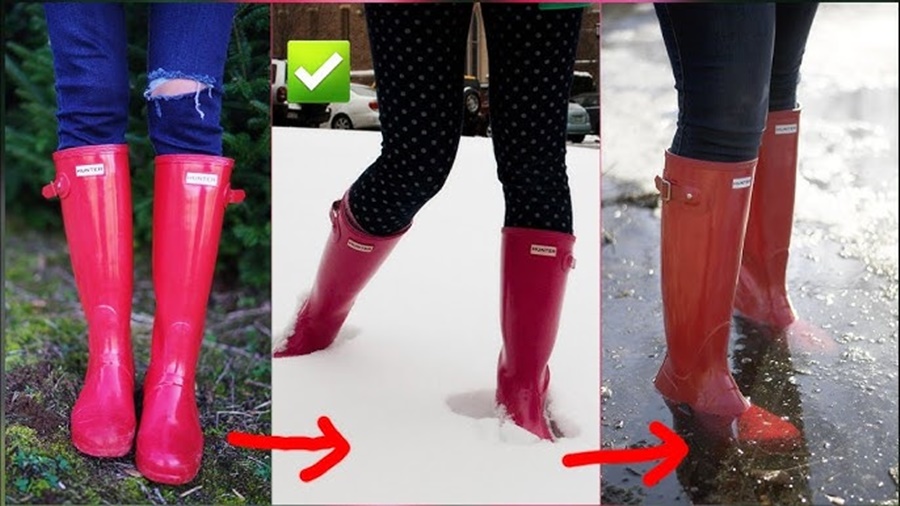
Knee-high hunting boots extend up to the calf or just below the knee. These boots provide maximum protection against water, mud, snow, brush, and snake bites. They are commonly used in wetlands, swamps, snowy forests, and rugged environments.
Knee-high boots are often heavier and bulkier than ankle boots, but they excel in harsh conditions where protection matters more than speed.
Key Features of Knee-High Hunting Boots
- Superior waterproof coverage
- Greater leg protection
- Better insulation in cold weather
- Protection from mud and debris
- Enhanced support in deep terrain
- Ideal for wet and snowy environments
These boots are frequently made from rubber, neoprene, or thick waterproof leather.
Comfort Comparison
Ankle Hunting Boots
Ankle boots are generally more comfortable for active hunters who cover many miles on foot. Their lightweight structure reduces strain on the legs and feet, making them ideal for all-day wear.
Because they allow natural ankle movement, hunters often experience less stiffness and fatigue after long hikes.
Advantages
- Less weight on the feet
- Improved flexibility
- Better airflow
- Reduced muscle fatigue
Disadvantages
- Less support in uneven terrain
- Limited protection from water and debris
Knee-High Hunting Boots
Knee-high boots prioritize protection over lightweight comfort. While they may feel heavier, they provide excellent stability and support in difficult terrain.
However, prolonged walking in heavy boots can tire hunters more quickly, especially during warm weather.
Advantages
- Strong lower-leg support
- Excellent stability
- Better comfort in cold and wet conditions
Disadvantages
- Heavier design
- Reduced flexibility
- Potential overheating in warm climates
Waterproof Protection
Ankle Hunting Boots
Many ankle hunting boots feature waterproof technology, but their shorter height limits water protection. Deep puddles, marshes, or streams can easily allow water to enter from the top.
These boots work best in dry or mildly wet conditions.
Knee-High Hunting Boots
Knee-high boots offer significantly better waterproof protection. Their tall design prevents water, mud, and snow from entering the boot, making them ideal for swamp hunting, duck hunting, and rainy environments.
Hunters who frequently cross creeks or walk through tall wet grass benefit greatly from knee-high coverage.
Mobility and Speed
Ankle Hunting Boots
When speed and agility are priorities, ankle hunting boots perform exceptionally well. Hunters can move quietly and quickly through forests, hills, and rocky trails.
These boots are especially useful for:
- Spot-and-stalk hunting
- Mountain hunting
- Turkey hunting
- Warm-weather hunting
The lighter design also improves climbing efficiency on steep terrain.
Knee-High Hunting Boots
Knee-high boots are less agile due to their added weight and taller structure. They may restrict movement during rapid hikes or climbs.
However, they provide better footing in:
- Muddy terrain
- Deep snow
- Marshlands
- Swamps
For stationary hunting or slow tracking, the reduced mobility is usually not a major issue.
Protection and Safety
Ankle Hunting Boots
Ankle boots provide moderate protection against rocks, roots, and minor impacts. However, they leave the lower calf exposed to:
- Thorns
- Snake bites
- Wet vegetation
- Insects
In rugged or hazardous terrain, this limited protection can become a disadvantage.
Knee-High Hunting Boots
Knee-high hunting boots offer superior safety and environmental protection. They shield the lower leg from:
- Snake bites
- Sharp brush
- Deep mud
- Snow
- Water exposure
- Tick-infested vegetation
For hunters operating in dangerous or unpredictable terrain, knee-high boots are often the safer option.
Insulation and Temperature Control
Ankle Hunting Boots
Ankle boots generally provide better ventilation, making them ideal for:
- Early-season hunting
- Warm climates
- Active hiking
Because they trap less heat, they help reduce sweating and discomfort during hot weather.
However, in freezing conditions, they may not provide sufficient warmth.
Knee-High Hunting Boots
Knee-high boots excel in cold environments. Their extended coverage and thicker insulation help retain body heat during:
- Winter hunting
- Snowy conditions
- Long stationary hunts
The downside is that they may become too warm during early-season or high-activity hunts.
Durability and Longevity
Ankle Hunting Boots
High-quality ankle boots can last for years with proper care. However, lighter materials may wear down faster in harsh terrain.
Frequent exposure to water and mud can also shorten their lifespan if not properly maintained.
Knee-High Hunting Boots
Knee-high boots are often built for extreme conditions and heavy use. Thick rubber and reinforced materials improve durability.
They generally withstand:
- Deep mud
- Rough brush
- Constant moisture
- Cold weather abuse
Their rugged construction often results in a longer service life.
Best Situations for Ankle Hunting Boots
Ankle hunting boots are best suited for:
- Dry forests
- Mountain terrain
- Long-distance hiking
- Warm climates
- Active hunters
- Early hunting seasons
Hunters who prioritize speed, comfort, and mobility usually prefer ankle boots.
Best Situations for Knee-High Hunting Boots
Knee-high hunting boots are ideal for:
- Wetlands
- Marshes
- Snowy regions
- Cold weather
- Waterfowl hunting
- Heavy brush environments
Hunters needing maximum protection and waterproofing often choose knee-high models.
Cost Comparison
Ankle hunting boots are generally less expensive because they use fewer materials and lighter construction methods.
Knee-high boots usually cost more due to:
- Increased material usage
- Advanced waterproofing
- Heavy insulation
- Reinforced durability
However, the higher price can be worthwhile for hunters facing extreme environments.
Which Hunting Boot Should You Choose?
The best hunting boot depends entirely on your hunting conditions and style.
Choose ankle hunting boots if you:
- Walk long distances
- Hunt in warm weather
- Need agility and speed
- Hunt mainly in dry terrain
Choose knee-high hunting boots if you:
- Hunt in wetlands or snow
- Need maximum waterproofing
- Want better lower-leg protection
- Hunt in cold weather conditions
Some experienced hunters own both types and switch depending on the season and terrain.
Conclusion
Both ankle hunting boots and knee-high hunting boots have clear strengths and weaknesses. Ankle boots deliver excellent mobility, comfort, and breathability, making them perfect for active hunting in dry environments. Knee-high boots provide unmatched protection, insulation, and waterproofing for harsh weather and rugged terrain.