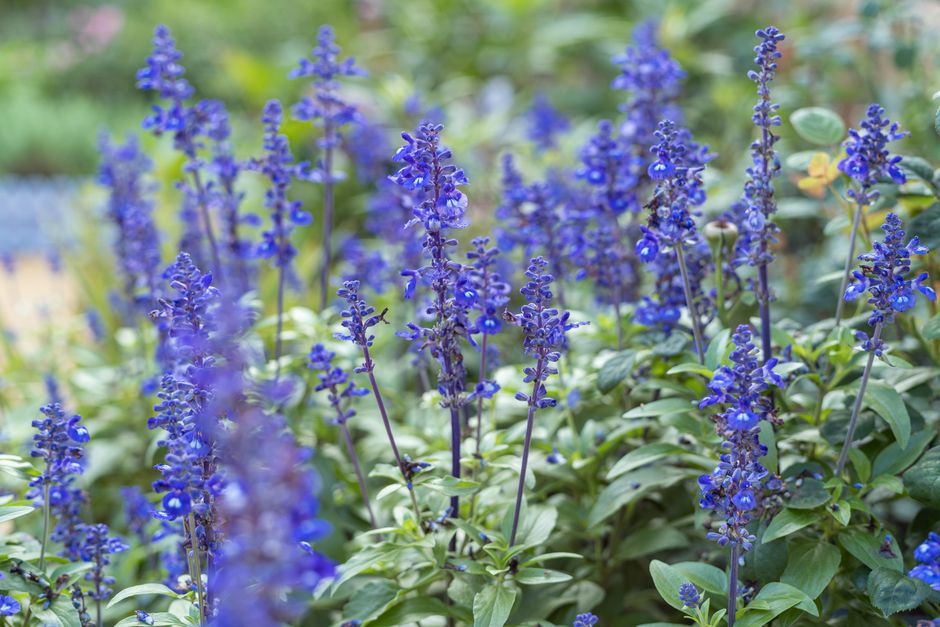
To care for perennial flowers effectively, ensure they receive at least 6 hours of sunlight daily and water them deeply once a week, especially in dry spells. After years of gardening, I’ve learned that these crucial elements—light and moisture—make a significant difference in their growth and blooming potential. Implementing these tips will rejuvenate your garden and help your perennials thrive.
Perennials are a fantastic option for any garden because they return year after year, providing beautiful blooms throughout the seasons. By following simple care guidelines, you can ensure these plants bloom beautifully and thrive. In this guide, I’ll share my personal experiences and insights on caring for perennial flowers.
Understanding Perennial Flowers
First, let’s clarify what perennial flowers are. Unlike annual plants that need replanting each season, perennials grow back every spring. They can add a colorful display that lasts for years, making them a worthy investment in any flower garden. I usually begin preparing my garden in early spring, and I’ve noticed that planting perennials then sets the stage for abundant blooms all summer.
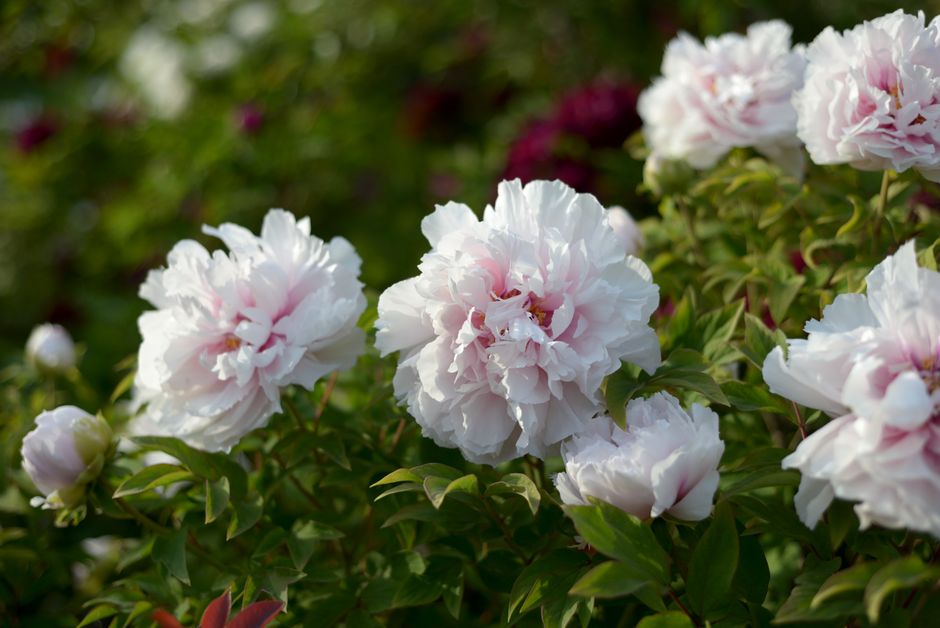
Perennials come in various types, including flowering plants like daylilies, peonies, and coneflowers. Each type has its specific needs, but most share similar care requirements. Understanding these can help you create an inviting and thriving floral display in your garden.
Essential Care Tips for Perennials
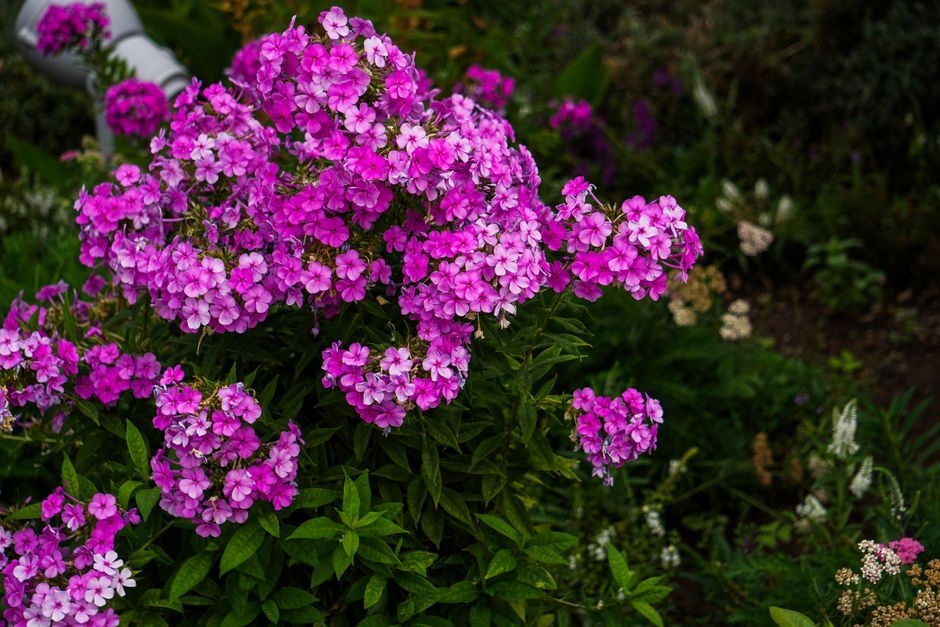
Caring for perennials begins with choosing the right location. Most perennials prefer well-drained soil and full or partial sunlight. I’ve found sites that get six or more hours of sun are the most successful. Additionally, spacing plants properly allows for air circulation, which helps prevent disease.
Maintaining your perennials involves regular pruning and deadheading. I regularly trim back spent blooms to encourage new growth and a longer blooming period. This simple act has significantly enhanced the beauty of my garden each season.
Watering and Fertilization Techniques
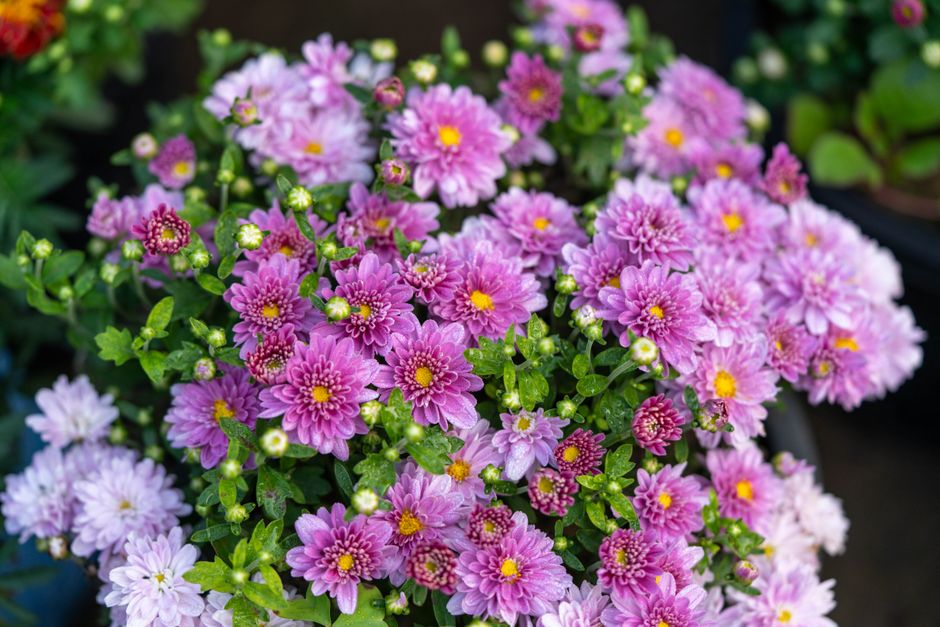
Watering is a crucial aspect of how to care for perennial flowers. When I began gardening, I struggled with determining the right watering schedule. I found that watering every other day during the growing season works wonderfully for my plants. It keeps the soil consistently moist without over-saturating.
Fertilization is another key aspect of care. I use a balanced fertilizer during the growing season to provide my perennials with the nutrients they need. Be mindful not to over-fertilize, as excessive nutrients can lead to lush foliage at the expense of blooms.
Common Challenges in Perennial Care
Like any gardening endeavor, caring for perennials comes with its challenges. One issue I faced was dealing with pests like aphids and slugs. In my experience, an organic insecticidal soap kept these pests at bay without harming my plants.
Another challenge is managing soil quality. I’d recommend regularly checking your soil’s nutrient levels and making amendments as needed. I’ve learned that adding organic compost can dramatically improve drainage and provide essential nutrients that keep my perennials healthy and vibrant.

In summary, caring for perennial flowers doesn’t have to be daunting. By understanding their needs and implementing consistent care routines, you can enjoy stunning seasonal blooms every year. I hope these tips help you create a thriving garden that brings you joy for many seasons to come!
See also: Care of Hydrangeas: Discover the Secrets to Nurturing
Frequently Asked Questions
What are the best practices for perennial flowers?
Best practices for perennial flowers include choosing the right varieties for your climate, providing adequate sunlight, and using mulch to retain moisture and suppress weeds.
How often should you water perennial flowers?
Perennial flowers should generally be watered once a week, ensuring that the soil is moist but not waterlogged; during especially hot or dry periods, you may need to water more frequently.
What type of soil is best for perennials?
Well-draining soil rich in organic matter is ideal for perennials; a pH level between 6.0 and 7.0 usually supports healthy growth.
When is the best time to plant perennial flowers?
The best time to plant perennial flowers is in the spring or fall, ideally in early spring after the last frost or in early fall before the first frost, which helps establish roots before winter.
How do you prune perennial flowers?
To prune perennial flowers, wait until late winter or early spring when new growth begins to emerge; cut back dead stems and spent flowers to about 2-3 inches above the ground to encourage new growth and reduce disease risk.