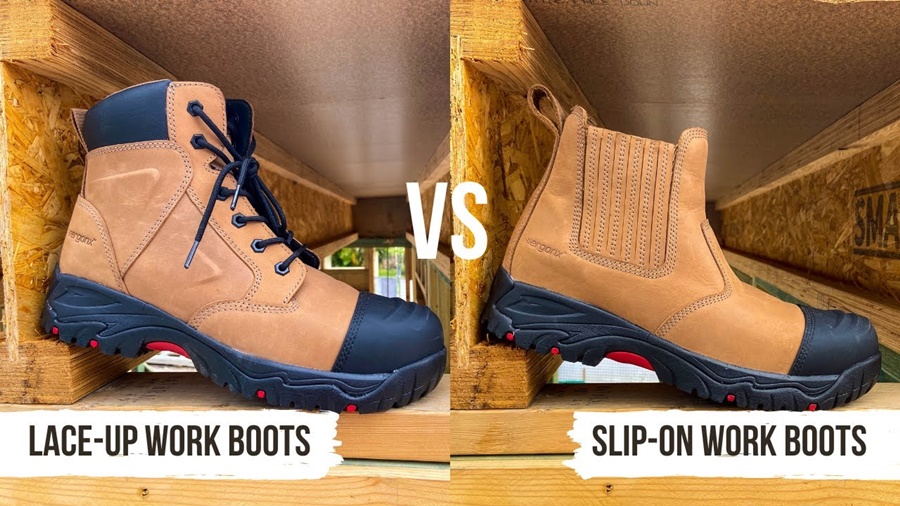
Choosing the right hunting boots can make or break a hunting trip. Whether you are trekking through muddy trails, climbing rocky hills, or waiting silently in a tree stand, your boots directly affect comfort, safety, and performance. Two of the most popular styles among hunters are lace-up hunting boots and slip-on hunting boots. Each type offers unique advantages and disadvantages depending on hunting conditions, terrain, weather, and personal preference.
This article explores the key differences between lace-up and slip-on hunting boots, including comfort, support, durability, convenience, and ideal use cases. By the end, you will have a clear understanding of which style suits your hunting needs best.
Understanding Lace-Up Hunting Boots
Lace-up hunting boots are traditional hunting footwear that uses laces to tighten and secure the boot around the foot and ankle. They are widely used by hunters who require stability, support, and a customized fit.
These boots are available in many styles, including lightweight hiking-inspired boots and heavy-duty insulated mountain hunting boots
Advantages of Lace-Up Hunting Boots
1. Superior Ankle Support
One of the biggest advantages of lace-up hunting boots is ankle support. Tight lacing helps stabilize the ankle, reducing the risk of twisting or injury while walking on uneven terrain.
Hunters who travel through rocky mountains, steep hills, or dense forests often prefer lace-up boots because they provide better control and balance.
2. Adjustable Fit
Laces allow hunters to customize the tightness of the boots according to comfort and foot shape. This flexibility is especially useful during long hunts when feet may swell after hours of walking.
A secure fit also reduces friction and minimizes the chances of blisters.
3. Better Performance in Rough Terrain
Lace-up hunting boots generally perform better in rugged environments. They are designed for durability, traction, and stability, making them suitable for backcountry hunting, elk hunting, and mountain adventures.
4. Wide Variety of Styles
Manufacturers offer lace-up hunting boots in many designs, including waterproof models, insulated winter boots, lightweight early-season boots, and aggressive mountain boots.
This variety allows hunters to select boots tailored to specific hunting conditions.
Disadvantages of Lace-Up Hunting Boots
1. Takes Longer to Put On
Lace-up boots require more time to wear and remove. Hunters must loosen and tighten laces each time, which can be inconvenient during quick outings.
2. Heavier Weight
Many lace-up hunting boots are heavier than slip-on models due to added materials, support systems, and thicker soles. This can lead to fatigue during long-distance walking.
3. Laces Can Wear Out
Boot laces may break over time, especially in harsh conditions. Wet environments, mud, and repeated friction can damage laces faster than expected.
Hunters often carry spare laces as a backup.
Understanding Slip-On Hunting Boots
Slip-on hunting boots are designed for convenience and speed. They typically use rubber or neoprene construction and do not require laces. Popular examples include rubber hunting boots used for wet, muddy, or swampy environments.
These boots are favored by hunters who prioritize quick access, waterproofing, and scent control.
Advantages of Slip-On Hunting Boots
1. Easy to Wear and Remove
The biggest advantage of slip-on hunting boots is convenience. Hunters can quickly put them on or take them off without dealing with laces.
This feature is especially useful for early morning hunts or short hunting trips.
2. Excellent Waterproof Protection
Most slip-on hunting boots are highly waterproof because they are often made with rubber and neoprene materials. They perform exceptionally well in wet grass, marshes, swamps, and rainy conditions.
Duck hunters and deer hunters in wet climates commonly use slip-on boots.
3. Better Scent Control
Rubber slip-on boots are popular for scent control because rubber does not absorb odors as easily as leather or fabric. This can help reduce human scent while tracking sensitive game animals like deer.
4. Lightweight and Comfortable
Many slip-on hunting boots are lightweight and flexible, making them comfortable for flat terrain and casual hunting situations.
Disadvantages of Slip-On Hunting Boots
1. Limited Ankle Support
Slip-on boots generally provide less ankle stability than lace-up boots. This can become a problem on steep or uneven terrain.
Hunters carrying heavy gear or hiking long distances may feel less secure in slip-on footwear.
2. Less Adjustable Fit
Since there are no laces, slip-on boots cannot be tightened or customized. Some hunters may experience heel slippage or loose fitting, especially during extended walks.
3. Not Ideal for Mountain Hunting
Slip-on boots are usually not designed for aggressive mountain terrain or technical hiking. They lack the rigid support and traction required for demanding backcountry hunts.
4. Can Become Hot in Warm Weather
Rubber and neoprene materials may trap heat and moisture inside the boot, causing discomfort during warm-weather hunting seasons.
Key Differences Between Lace-Up and Slip-On Hunting Boots
Comfort
- Lace-up boots provide a customized fit and better long-distance comfort.
- Slip-on boots offer convenience and flexibility for shorter trips.
Support
- Lace-up boots deliver superior ankle and foot support.
- Slip-on boots provide minimal ankle stability.
Waterproofing
- Slip-on rubber boots excel in wet environments.
- Lace-up boots can also be waterproof but may not match full rubber protection.
Terrain Compatibility
- Lace-up boots are ideal for mountains, rocky areas, and rough terrain.
- Slip-on boots perform best in flat, muddy, or swampy conditions.
Ease of Use
- Slip-on boots are faster and easier to wear.
- Lace-up boots require more adjustment and setup time.
Durability
- High-quality lace-up leather boots often last longer with proper care.
- Slip-on rubber boots may crack or wear over time if heavily used.
Which Hunting Boot Is Best for Different Hunting Styles?
Best for Mountain Hunting
Lace-up hunting boots are the clear winner for mountain and backcountry hunting. Their ankle support, traction, and stability make them safer and more reliable for difficult terrain.
Best for Wet and Muddy Conditions
Slip-on hunting boots are ideal for wet environments, marshes, swamps, and rainy weather. Their waterproof construction keeps feet dry and comfortable.
Best for Cold Weather
Both styles can work well in winter if properly insulated. However:
- Lace-up insulated boots are better for active movement in snow.
- Slip-on insulated rubber boots are excellent for stationary hunting in cold, wet conditions.
Best for Quick Hunts
Slip-on boots are perfect for quick hunts close to home because they are easy to put on and remove.
Best for Long-Distance Walking
Lace-up boots are better for extended hikes because they reduce foot fatigue and provide better support.
Factors to Consider Before Buying Hunting Boots
Terrain
Think about where you hunt most often. Mountainous terrain requires support, while wetlands require waterproofing.
Weather
Cold, wet, or warm conditions all affect boot choice. Insulation and breathability are important factors.
Hunting Duration
Long hunts demand comfort and support, while short hunts may prioritize convenience.
Weight
Heavy boots can cause fatigue during long hikes. Lightweight options improve mobility.
Insulation
Choose insulated boots for cold climates and uninsulated boots for warm weather.
Tips for Choosing the Right Hunting Boots
- Try boots with hunting socks for accurate sizing.
- Break in new boots before long hunts.
- Choose waterproof materials if hunting in wet areas.
- Prioritize comfort over appearance.
- Invest in quality boots for long-term performance.
Conclusion
When comparing lace-up hunting boots and slip-on hunting boots, there is no single option that works best for every hunter. Each style is designed for different hunting conditions, terrains, and personal preferences. Lace-up hunting boots provide excellent ankle support, stability, and a secure fit, making them the ideal choice for rugged terrain, mountain hunting, and long-distance hikes. On the other hand, slip-on hunting boots offer unmatched convenience, waterproof protection, and quick wearability, which makes them perfect for muddy fields, wetlands, and shorter hunting trips.
The right choice ultimately depends on where and how you hunt. Hunters who frequently navigate rough landscapes and carry heavy gear may benefit more from lace-up boots, while those hunting in wet environments or looking for fast and comfortable footwear may prefer slip-on boots. Many experienced hunters keep both styles in their gear collection so they can adapt to changing weather and terrain conditions.