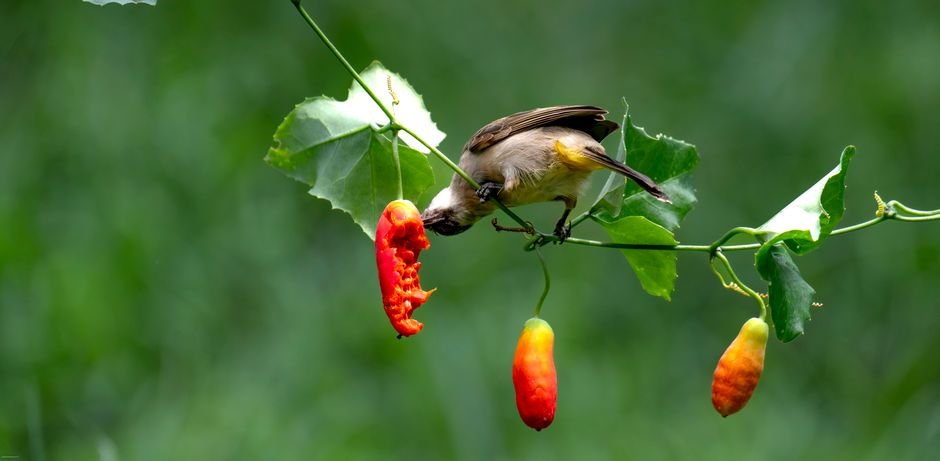
Over 50 species of birds rely on native plants for food and shelter in their habitats. Selecting the right plants not only draws these birds to your garden but also increases the chances of successful nesting and foraging. Native plants, particularly those that produce seeds or berries, are key to attracting a variety of birdlife.
Native plants support local ecosystems, adapting naturally to the soil and climate in your area. Birds rely on these plants for seeds, fruits, and insects, turning your garden into a thriving wildlife habitat. To help you create a space that attracts birds while enriching biodiversity, I’ll share details on the best options.
What Birds Need to Eat
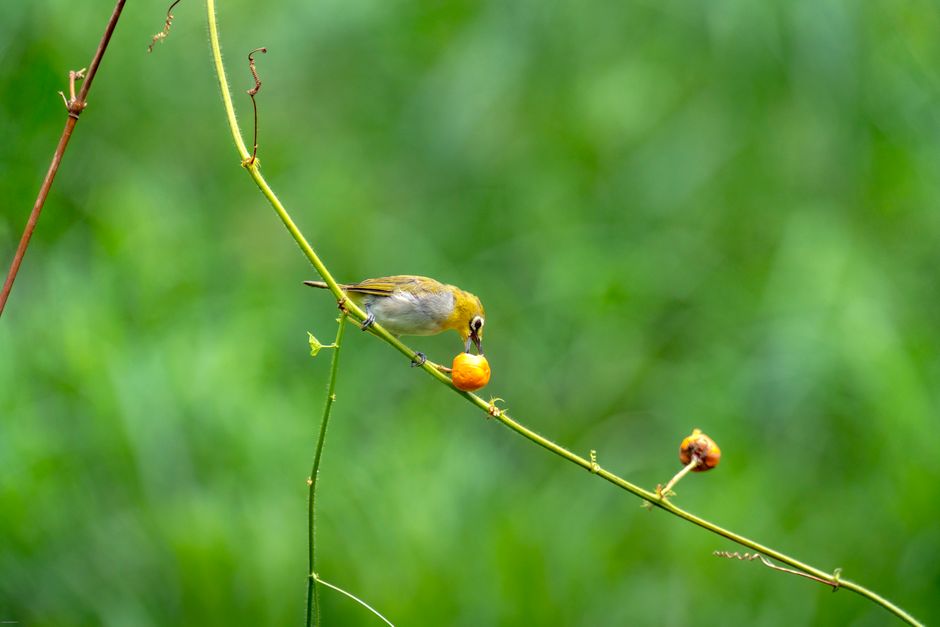
Birds have various dietary preferences that depend on the species, climate, and season. Commonly, their diets include seeds, fruits, nectar, and insects. Understanding these preferences will help you choose the most effective plants to attract them. For instance, finches love sunflower seeds, while hummingbirds are drawn to nectar-rich flowers.
What stands out is the role of insectivorous birds, like swallows and warblers. They feed primarily on insects, which means it’s vital to include plants that encourage insect populations, like native grasses or flowering shrubs. A diverse plant selection can create a buffet for birds all year round.
Top Plants That Attract Birds
After hours spent researching and observing, I’ve concluded that these plants are the best for attracting a variety of birds:
- Sunflowers (Helianthus annuus) – Their seeds are a favorite among many bird species, including finches and cardinals. Plus, they bring a splash of color to your garden.
- Goldenrod (Solidago spp.) – Given its late-blooming flowers, it’s perfect for attracting butterflies and bees, which then lure in insectivorous birds like yellow-rumped warblers.
- Elderberry (Sambucus nigra) – Its berries attract many species, including robins and cedar waxwings, while the leaves provide cover.
- New Jersey Tea (Ceanothus Americanus) – This plant serves as a butterfly magnet and provides nectar for many pollinators, attracting birds as well.
- Dogwood (Cornus spp.) – Producing clusters of berries that are delightful for birds such as bluebirds and jays, these trees are valuable in creating layers in your garden.
Take note of how many different types of birds visit your garden with each of these species. It’s thrilling to see the variety once you introduce these plants.
Creating a Biodiverse Garden for Birds
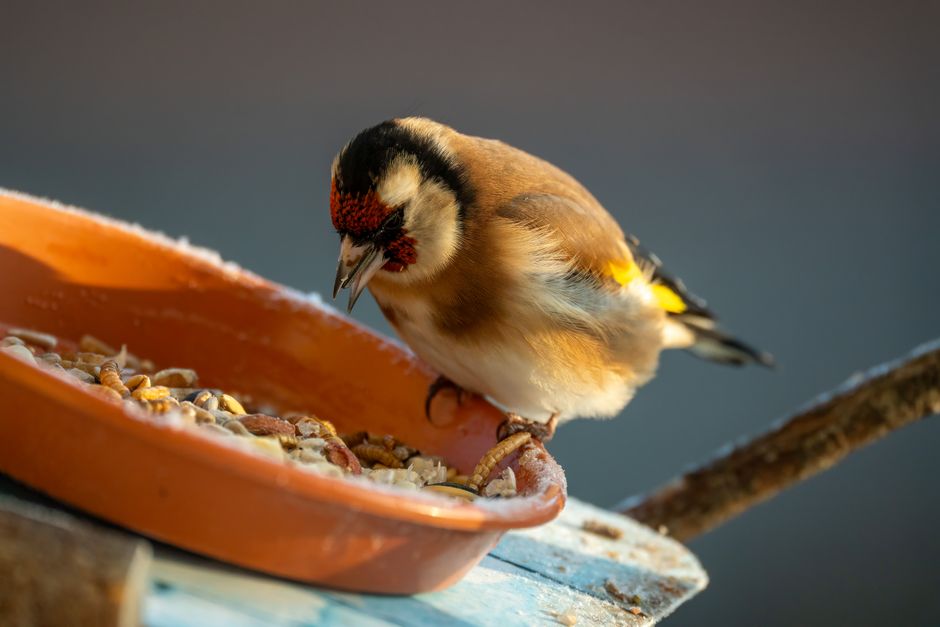
A habitat that supports a variety of plants will be more appealing to birds. When you plan your planting scheme, consider combining trees, shrubs, flowers, and grasses. Such an assortment not only caters to diverse bird diets but also offers necessary shelter and nesting spots.
I recommend a layered planting approach, place taller plants at the back and shorter ones at the front. Be sure to include some evergreens for winter shelter. This arrangement can provide safety from predators while ensuring that food sources are easily accessible.
Common Mistakes Gardeners Make
One mistake many gardeners make is opting for non-native plants, which often fail to support local wildlife. Non-natives may offer aesthetic appeal, but they don’t provide the food sources birds need. Additionally, the use of chemical pesticides and fertilizers can deter both birds and their food sources.
It’s also a misstep to assume that birds don’t require water. Having a birdbath or a small pond can make your garden a haven. If you’re also thinking about live setups for bird watching, consider applying tips shared in my guide on how to attract birds to a bird bath here: https://soakpetals.com/how-to-attract-birds-to-a-bird-bath/.
What to Avoid When Planting for Birds
When you’re curating your bird garden, avoid using hybrid plants. They often lack the nutritional value needed by birds. Instead, stick with heirloom varieties or wildflowers that bloom at different times throughout the seasons.
Also, be cautious when trimming or pruning. Many birds engage in nesting in early spring before trees leaf out; delaying your gardening tasks until after the nesting period can prevent unnecessary disturbances.
Final Recommendations: Build Your Bird Haven
For the best results, incorporate sunflowers for their abundant seeds, elderberries which attract songbirds, and goldenrods that support pollinators. Each of these choices serves specific bird preferences and helps create a flourishing environment for local wildlife. Additionally, consider choosing plants that provide food for birds to enhance your garden’s appeal.
If that matters to you, our piece on led grow goes further.
Related reading: northern cardinals.
Frequently Asked Questions
What plants attract the most birds?
Native plants, especially those that produce seeds, berries, and nectar, attract the most birds. Some popular examples include sunflowers, coneflowers, and serviceberries.
How do you plant for birds?
To plant for birds, choose native species that are known for attracting local avian populations. Incorporate a variety of plants that provide food and shelter, and avoid using pesticides that can harm birds.
Can flowers provide sustenance to birds?
Yes, flowers can provide sustenance to birds by offering nectar, which is a food source for hummingbirds and some butterflies. Additionally, many flowers produce seeds that can be eaten by finches and other seed-eating birds.
Why do certain plants attract birds?
Certain plants attract birds because they offer essential resources like food, shelter, and nesting materials. For example, plants with berries or seeds are particularly appealing to foraging birds.
Is it beneficial to have bird-friendly plants?
Yes, having bird-friendly plants is beneficial as they support local ecosystems by providing habitat and food for birds. This, in turn, can help control insect populations and enhance the garden's overall biodiversity.