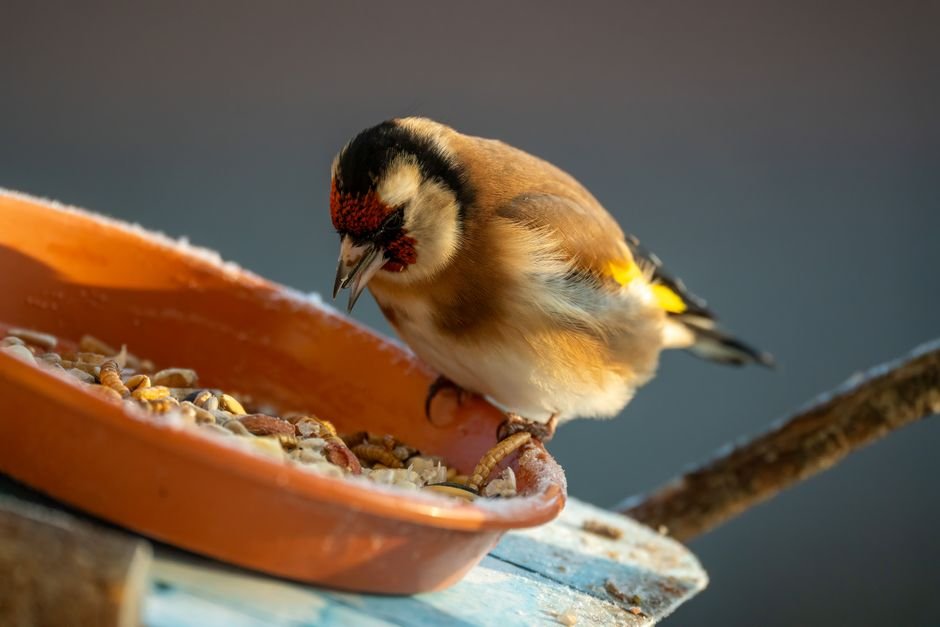
Research shows that over 50% of bird species face challenges during winter months. Providing food, shelter, and water is essential for their survival. This guide offers straightforward tips to support birds in your backyard throughout the cold season.
Many people underestimate the challenges birds face during winter. They often overlook the need for higher-quality food, appropriate shelter, and water sources that don’t freeze. Regardless of your experience level, incorporating these tips into your winter routine can boost local bird populations and enhance your enjoyment of watching them.

1. Provide High-Energy Bird Feed
Birds require more calories during the winter months to maintain their energy levels in the cold. This makes providing high-energy bird feed essential. I recommend using a mix of sunflower seeds, suet, and peanuts. Birds like chickadees, cardinals, and blue jays love these options and will frequent your feeders more often if they are stocked with calorie-rich food.
For those just starting, a good quality commercial seed mix can also work well.
Make sure to check and refill feeders regularly, as birds consume more food in winter and a sudden scarcity could drive them away.
2. Maintain Clean Bird Feeders
Keeping bird feeders clean is critical for preventing the spread of disease among birds. I always wash my feeders with hot, soapy water or a mixture of vinegar and water. Rinsing thoroughly after cleaning helps remove residue that could be harmful. This practice not only protects birds but also invites them to return to clean feeders that won’t make them sick.
A clean feeder attracts a more diverse range of birds, increasing the chances of exciting sightings in your backyard.
3. Install Winter Birdhouses
Providing adequate shelter is a key element in winter bird care. Proper winter birdhouses protect birds from harsh weather conditions. I recommend using insulated birdhouses designed for winter use, which often have entrance holes sized just right for specific birds. Look for houses made from durable materials that can stand up to snow and rain.
Bluebirds and wrens are two species that may appreciate your effort if you create a safe space for them.
Position the birdhouse in a sheltered area, away from the wind and out of direct sunlight, keeping them warm and protected.
4. Create a Heated Bird Bath
Birds need fresh water to survive, especially in winter when natural sources might freeze. Installing a heated bird bath ensures that your feathered visitors will always find water, which is crucial for drinking and bathing. I found that ceramic or stainless-steel baths retain warmth better than plastic ones.
Choosing a heated model can make all the difference for the birds relying on your yard for hydration during harsh weather.
This addition also enhances bird activity in your yard, making for a lively and entertaining winter scene.

5. Avoid Bird Seed Containing Fillers
Many birdseed mixes include cheap fillers like millet and corn that birds often ignore, which means wasted money and effort. I personally prefer high-quality seed blends that contain no waste material. It’s worth your time to read the ingredient list on birdseed packages. Originally, I made the mistake of buying larger bags of cheaper mixes, only to find that they went largely uneaten.
Focusing on nutritious seeds will keep local birds coming back for a reliable food source.
6. Offer Shelter with Native Plants
Incorporating native plants into your landscape provides natural shelter for birds while attracting them to feed on their seeds and berries. I’ve seen that native berry bushes can be especially appealing in the winter months. These plants offer important cover from predators while serving as a food source.
For example, serviceberry and holly shrubs attract various species, such as sparrows and thrushes, creating a bustling habitat.
Planting a mix of shrubs and trees that offer food and shelter can increase the biodiversity of your yard, enhancing the winter experience.
7. Be Mindful of Feeding Times
Feeding birds at dawn and dusk aligns with their natural feeding patterns. Providing food during these times is crucial as many birds are most active during the early and late hours. I often find the busiest periods in my yard are right after sunrise when they search for breakfast. If you keep your feeders well-stocked in these key hours, you’ll see more traffic.
This routine also helps you establish a connection if you’re trying to attract specific bird species.
Limiting feedings to those times can actually help you better observe bird behaviors and increase the chances of spotting different species visiting your yard.
Making the Most of These Tips
To create the best environment for winter birds, offer a high-quality bird feeder filled with black-oil sunflower seeds for seed-eaters and a suet feeder for insectivores. If you want to attract migratory species, include a heated birdbath to ensure they have access to water during freezing temperatures. Consider these tips for winter bird care to enhance your bird-watching experience.
Frequently Asked Questions
What do birds eat in winter?
In winter, birds primarily consume high-energy foods to help them stay warm, such as suet, nuts, seeds, and fruit. Sunflower seeds, in particular, are a favorite because they are rich in fat and calories.
How can you provide water for birds in winter?
To provide water for birds in winter, consider using heated bird baths or regularly changing the water in traditional baths to prevent freezing. Adding a small heater can ensure that the water remains available even in very cold temperatures.
Can birds survive cold weather?
Yes, most birds can survive cold weather by utilizing various adaptations, such as fluffing up their feathers to trap heat and seeking shelter. Many species also enter a state of torpor to conserve energy during extremely cold nights.
What kind of shelters can help winter birds?
Providing natural shelters such as dense shrubs, evergreen trees, or birdhouses can protect birds from harsh winter winds and predators. Additionally, building brush piles or leaving fallen leaves can create safe roosting spots.
Why is winter important for bird feeding?
Winter is a critical time for bird feeding because natural food sources become scarce due to snow and ice. Supplemental feeding can provide birds with the energy they need to survive harsh conditions and maintain their health.