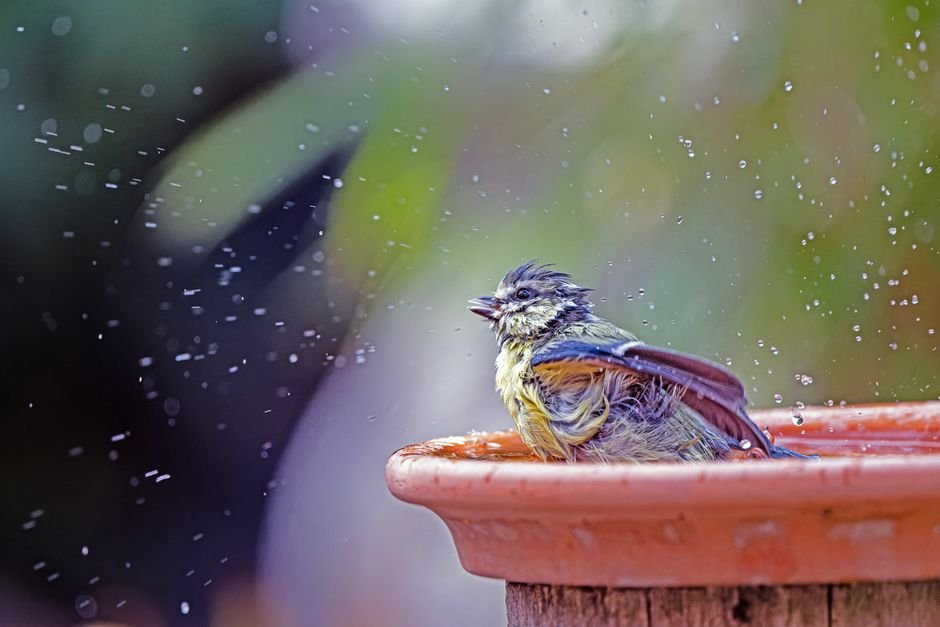
70% of birdwatchers find that offering both water and food greatly enhances their backyard activity. Bird baths and feeders each have unique benefits, yet they share common ground in attracting various species and enriching your outdoor space. This article highlights five key similarities to consider when planning your bird-friendly garden.

1. Attracting Garden Birds
Both bird baths and feeders are excellent at drawing garden birds into your outdoor space. They create a welcoming environment for various species, like finches, sparrows, and cardinals, by providing essential resources. A focus on attracting birds can transform your garden into an active wildlife haven, perfect for birdwatching. The presence of these birds enhances your connection to nature, offering endless enjoyment.
To maximize your success, consider integrating both a bath and a feeder in your garden layout. Having these two elements will cater to different bird preferences, increasing your chances of spotting diverse species.
2. Essential Resources for Birds
Bird baths and feeders both provide crucial resources that contribute to the well-being of birds. Ideally, a feeder offers grains, seeds, and nuts, whereas a bird bath is a vital water source. Hydration and nutrition are essential for sustaining garden birds, especially during extreme weather.
This is particularly relevant during the hotter months when birds require more water, and in winter, when food can be scarce.
For effective feeding, change out the food in your bird feeder regularly to ensure freshness. For baths, keep the water clean, which encourages more birds to visit.
3. Enhancing Backyard Habitat
Integrating bird baths and feeders plays a crucial role in wildlife gardening. They enrich the ecosystem and create a well-rounded habitat that fosters connections among various species, including beneficial insects and small mammals. This diverse environment not only supports birds but also cultivates healthy relationships within the ecosystem.
For a harmonious wildlife-friendly garden, try to plant native shrubs and flowers nearby. This will provide natural food sources and shelter for birds and other wildlife, ultimately enhancing your habitat’s overall appeal.
4. Opportunities for Observation
Bird baths and feeders provide you with prime opportunities to engage in birdwatching. Placing them in visible locations allows for easy observation of bird behaviors. Watching different species visit your feeder or bath can be an immersive and calming experience, making backyard watching a rewarding activity.
Install comfortable seating nearby to encourage longer observation periods. You may even want to invest in a good quality pair of binoculars to enhance your viewing experience.
5. Necessary Maintenance
Both bird baths and feeders require regular maintenance to remain effective and inviting to birds. Keeping feeders clean and stocked prevents mold growth and spoilage, while a bird bath should be replenished and scrubbed to prevent algae buildup and disease. Negligence can lead to an unwelcoming environment, causing you to miss out on the birds you hoped to attract.
Schedule a weekly routine for cleaning and refilling both items to ensure their ongoing effectiveness. This simple habit will make a noticeable difference in attracting and supporting local wildlife.

How to Choose
A bird feeder is the best choice for those with limited space, as it can attract a variety of birds while taking up less room. If you have ample garden space and features conducive to water collection, a bird bath offers essential drinking and bathing options. For the best experience, using both will create a more inviting environment for local birds. The similarities between bird baths and feeders can be explored further in educational resources.
Frequently Asked Questions
What is the purpose of a bird bath?
The purpose of a bird bath is to provide birds with a source of water for drinking and bathing, which is essential for their hydration and health. It also helps birds maintain their feathers in good condition, allowing for better insulation and flight.
Can a bird bath be near a bird feeder?
Yes, a bird bath can be placed near a bird feeder, as this arrangement creates an inviting habitat for birds. The proximity of both food and water sources encourages more visitation from various bird species.
How do bird baths attract more species?
Bird baths attract more species by offering a vital water source that is attractive to a diverse range of birds. Many birds, especially those that do not frequent feeders, are drawn to water for bathing and drinking.
Why do birds need both baths and feeders?
Birds need both baths and feeders to meet their essential needs for hydration and nutrition. While feeders provide energy-rich food, baths are crucial for grooming and maintaining feather health.
Are bird baths and feeders important for gardens?
Yes, bird baths and feeders are important for gardens as they enhance biodiversity and support local bird populations. They attract beneficial wildlife, promote pollination, and add vibrancy to the garden ecosystem.