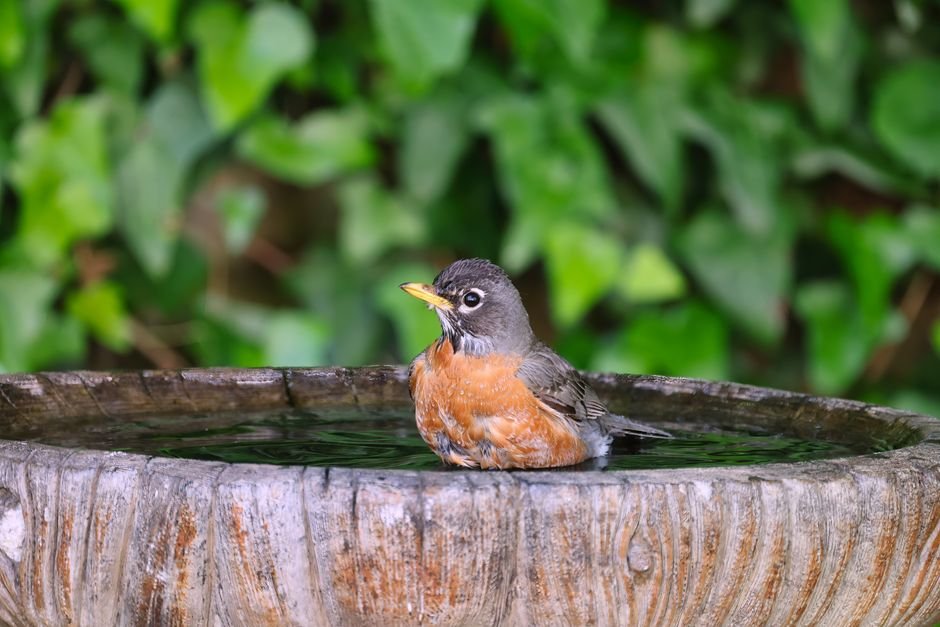
Building a bird bath can be done for under $50, proving that you don’t need concrete or extensive tools to attract feathered visitors. Using materials like terracotta pots or recycled items can create an inviting space without breaking the bank. I’m eager to guide you through this efficient and enjoyable process.
This guide will walk you through each step of how to build a bird bath without concrete. You’ll end up with a lovely feature that attracts birds, enhances your landscape, and provides you with delightful bird-watching experiences. Let’s dive in!
Choosing the Right Location for Your Bird Bath
Start by selecting a spot in your garden that is open but offers some shade during hot afternoons. Birds generally prefer a quieter area, away from heavy foot traffic or noisy pets, as it makes them feel more secure. Ideally, place the bird bath near bushes or trees, as these offer perches and shelter for the birds.
This setup not only creates a natural habitat but also enhances your overall outdoor aesthetic.
A good guideline is to keep the bird bath within 10 to 15 feet of cover. This distance allows birds quick access to safety should they feel threatened. Don’t forget to consider visibility for your own enjoyment; placing it near a window can give you a great view of the action!
Gathering Your Sustainable Materials
To build a bird bath without concrete, you’ll need simple, eco-friendly materials. Here’s what I used:
- A large shallow bowl (ceramic or metal works well)
- A sturdy pedestal (consider wood, stone, or an old plant pot)
- Drainage holes (if needed)
- Water-resistant sealant (for durability)
- Decorative stones or pebbles (optional for aesthetics)
Choosing materials wisely not only benefits the environment but also offers durability. I recommend avoiding plastic, as it doesn’t blend well in natural settings and has a shorter lifespan. When gathering materials, make sure to check for damages that could compromise the integrity of your bird bath.

Simple Steps to Construct Your Bird Bath
Once you have gathered the materials, it’s time to build. Follow these straightforward steps:
- Secure the pedestal by ensuring it is stable on the ground. Make adjustments if necessary.
- If your bowl doesn’t have drainage holes, consider drilling a few small ones. This helps prevent standing water, keeping it clean and healthy for birds.
- Apply a layer of water-resistant sealant on the pedestal where the bowl will sit. This adds extra protection against the elements.
- Place the bowl on top of the pedestal and apply more sealant around the edges for extra security.
After assembling, fill the bowl with clean water, and make sure it remains at a shallow level, about 2 to 3 inches deep. You want to create a safe drinking and bathing area for birds without the risk of drowning.
Maintaining Your Bird Bath for Best Results
One key aspect that many overlook is maintenance. Regularly clean your bird bath at least once a week to remove algae, debris, or any contaminants that might harm the birds. It’s simple enough to use warm, soapy water and a soft brush to scrub the bowl, making sure to rinse thoroughly afterward.
Additionally, refreshing the water frequently is crucial, especially in hot weather when it evaporates faster. Observing the birds will also help you determine if they’re using the bath as intended. If you notice them using it less, there could be issues with cleanliness or the water level.
Enhancing the Bird Bath Experience
Once your bird bath is set up, consider adding small decorative stones or pebbles around the base. These not only enhance its look but also mimic natural water sources. If you’re keen on observing bird behavior, look into adding a small water feature, like a fountain or dripper, to attract more birds.
I wrote about the importance of moving water in my guide here: Do Birds Prefer Moving Water in a Bird Bath for Better.
For colder months, don’t forget to consider a heated bird bath. You’ll find that many birds appreciate a dependable water source during winter. I’ve outlined the best options here: 7 Best Heated Bird Bath for Winter.
Common Mistakes to Avoid
In my experience, the biggest mistake is often neglecting the upkeep of the bird bath. Failing to clean it regularly can deter birds rather than attract them. Many people underestimate how critical hygiene is when it comes to bird baths. Another common pitfall is choosing the wrong location. Ensure that your bird bath is properly situated to balance safety and visibility.
Finally, don’t forget that birds prefer fresh water. Regularly replenishing it ensures that you don’t end up with a stagnant pool that birds will avoid. If you’re interested in additional ways to attract birds, consider using a roost box to provide shelter during colder seasons.
You’re All Set to Build Your Bird Bath!
I recommend using a large, shallow dish for a hands-on bird bath that appeals to a variety of species. For those who want something more permanent, consider a pedestal design. Each option caters to different garden styles and maintenance levels, giving you flexibility in creating this charming feature.
Frequently Asked Questions
How do you make a simple bird bath?
To make a simple bird bath, you can use a large, shallow dish or basin placed on a sturdy pedestal or table. Fill it with water and ensure it’s at a height where birds feel safe and comfortable to perch and bathe.
What materials do I need for a DIY bird bath?
For a DIY bird bath, you’ll need a shallow, wide container like a terracotta saucer or metal basin, a sturdy base such as a table or pedestal, and water. Optional materials can include paint to decorate and gravel for added stability.
Can I build a bird bath without a water pump?
Yes, you can build a bird bath without a water pump; simply fill the basin with fresh water regularly. However, adding a water feature that circulates can attract more birds by keeping the water fresher and more appealing.
Why aren’t birds using my bird bath?
Birds may not be using your bird bath if it’s too deep, lacks a nearby perch, or the water isn’t clean and fresh. Additionally, positioning the bath in a quiet, safe area away from predators can encourage birds to visit.
How deep should a bird bath be?
A bird bath should ideally be 1 to 2 inches deep to accommodate a variety of bird species without posing a drowning risk. You can also create varying depths with rocks or gravel to provide options for different birds.