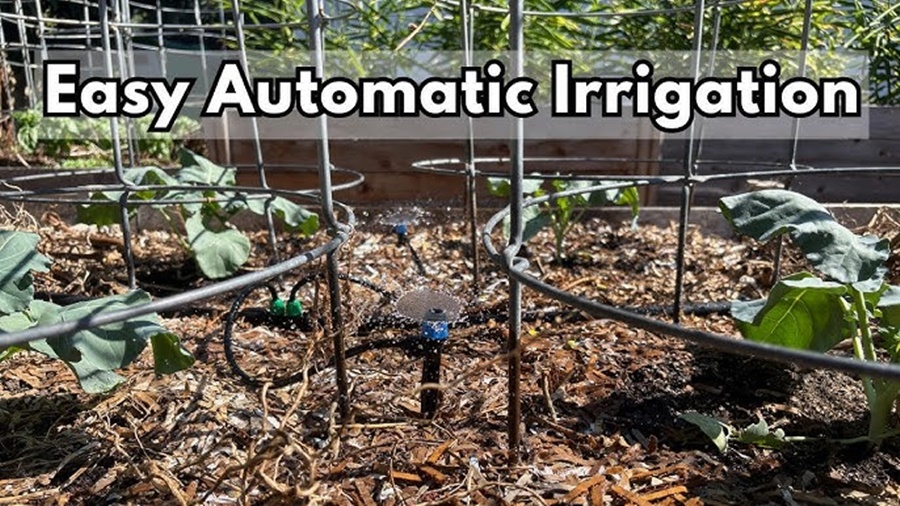
Manual irrigation offers greater control over water distribution, making it ideal for smaller gardens or specific plant needs, while automatic irrigation systems can save up to 50% more water by delivering precise amounts at scheduled intervals. Understanding the advantages and disadvantages of each method is essential for effective water management in agriculture and gardening.
This article explores the differences between manual and automatic irrigation, helping readers understand which system best meets their needs.
What is Manual Irrigation?
Manual irrigation is a traditional watering method in which a person directly controls the application of water to plants. Water is supplied using hoses, watering cans, buckets, or manually operated irrigation channels. The timing, duration, and amount of water depend entirely on the individual managing the process.
Features of Manual Irrigation
- Human-controlled watering process
- Requires physical labor
- Simple equipment and tools
- Low initial investment
- Suitable for small gardens and farms
Advantages of Manual Irrigation
1. Low Installation Cost
Manual irrigation requires minimal equipment, making it affordable for homeowners, small-scale farmers, and gardeners. There is no need for advanced technology, sensors, or automated controllers.
2. Greater Control
Users can inspect plants while watering and adjust water application based on plant conditions, weather, and soil moisture.
3. Easy Maintenance
Since manual systems have fewer components, they are easier and less expensive to maintain. Repairs are usually simple and do not require technical expertise.
4. Flexibility
Manual irrigation allows users to water specific areas that need attention while avoiding areas that are already adequately hydrated.
Disadvantages of Manual Irrigation
1. Time-Consuming
Watering large areas manually requires significant time and effort, making it impractical for extensive agricultural operations.
2. Labor Intensive
Regular manual watering can be physically demanding, especially during hot weather or peak growing seasons.
3. Inconsistent Water Distribution
Different plants may receive varying amounts of water depending on the operator’s technique, leading to uneven growth.
4. Water Waste
Without precise control, manual irrigation can result in overwatering, runoff, and water wastage.
What is Automatic Irrigation?
Automatic irrigation uses technology to supply water to plants without continuous human intervention. These systems typically include timers, controllers, valves, pipes, sprinklers, drip emitters, and moisture sensors that regulate watering schedules and water flow.
Features of Automatic Irrigation
- Automated watering schedules
- Sensor-based operation
- Consistent water delivery
- Reduced labor requirements
- Suitable for residential, commercial, and agricultural applications
Advantages of Automatic Irrigation
1. Saves Time
Automatic systems operate independently according to programmed schedules, reducing the need for daily supervision.
2. Improved Water Efficiency
Modern irrigation systems can deliver water directly to plant roots and adjust watering based on weather conditions and soil moisture levels.
3. Consistent Watering
Plants receive a uniform amount of water, promoting healthier growth and reducing stress caused by under- or overwatering.
4. Labor Savings
Large farms, parks, golf courses, and commercial landscapes benefit significantly from reduced labor requirements.
5. Better Plant Health
Consistent moisture levels help plants develop stronger root systems and improve overall crop yields.
Disadvantages of Automatic Irrigation
1. Higher Initial Cost
The installation of automatic irrigation systems requires investment in equipment such as controllers, sensors, pipes, and sprinklers.
2. Technical Maintenance
Components may require regular inspection, repairs, software updates, or replacement due to wear and tear.
3. Dependence on Power and Technology
Many automated systems rely on electricity, batteries, or internet connectivity. System failures can disrupt irrigation schedules.
4. Risk of Programming Errors
Incorrect settings may lead to excessive watering or insufficient irrigation if not monitored properly.
Key Differences Between Manual and Automatic Irrigation
| Feature | Manual Irrigation | Automatic Irrigation |
|---|---|---|
| Initial Cost | Low | High |
| Labor Requirement | High | Low |
| Water Efficiency | Moderate | High |
| Time Consumption | High | Low |
| Maintenance Complexity | Simple | Moderate to High |
| Consistency | Variable | Highly Consistent |
| Suitability | Small Areas | Small to Large Areas |
| Technology Required | None | Yes |
Which System is Better?
The choice between manual and automatic irrigation depends on several factors:
Choose Manual Irrigation If:
- You have a small garden or backyard.
- Your budget is limited.
- You enjoy hands-on gardening.
- Watering requirements are relatively simple.
Choose Automatic Irrigation If:
- You manage large landscapes or farms.
- Water conservation is a priority.
- You have limited time for daily watering.
- Consistent plant growth and productivity are important.
Environmental Impact
Automatic irrigation generally has a lower environmental impact because it can reduce water wastage through precise water application. Drip irrigation systems, in particular, deliver water directly to plant roots, minimizing evaporation and runoff. Manual irrigation, while effective in some situations, often results in inefficient water use when not carefully managed.
Future of Irrigation
Advancements in smart agriculture are driving the adoption of intelligent irrigation systems. Modern automatic irrigation technologies can integrate weather forecasts, soil moisture sensors, and mobile applications to optimize water use. These innovations help conserve water resources while increasing agricultural productivity.
Conclusion
Both manual and automatic irrigation systems serve important roles in agriculture and landscaping. Manual irrigation offers affordability, simplicity, and direct control, making it suitable for smaller areas. Automatic irrigation provides greater efficiency, consistency, and convenience, particularly for larger operations. Understanding the strengths and limitations of each method allows users to select the most effective irrigation solution for their specific needs, budget, and environmental conditions.