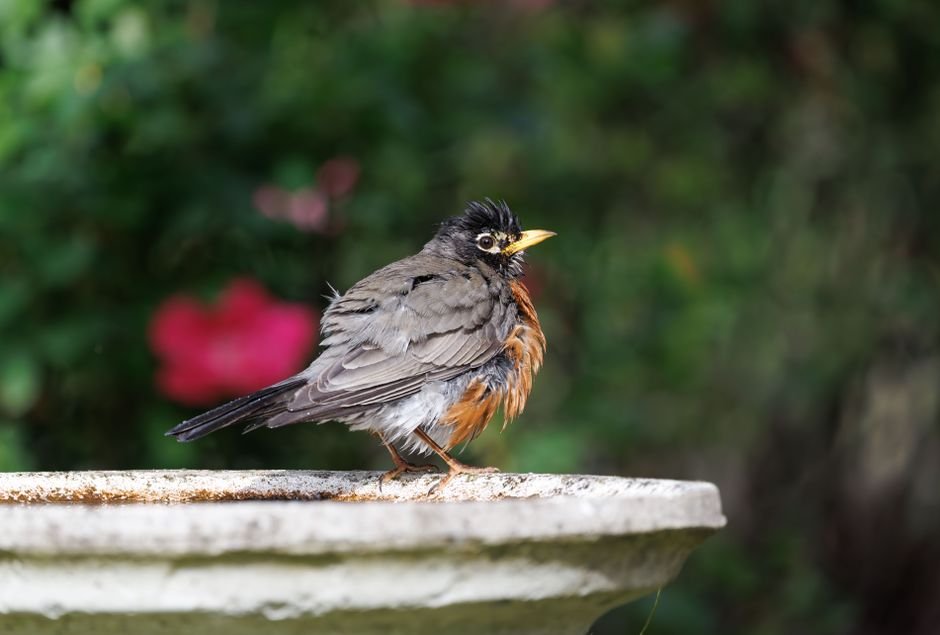
Every month, about 20% of bird bath owners forget to clean their setups, leading to dirty water that can harm birds. A simple cleaning routine can prevent issues like algae growth and pests, ensuring a safe environment for your feathered friends. This guide will equip you with effective, chemical-free cleaning methods.
Not only does a clean bird bath ensure the health of visiting birds, but it also maintains your outdoor decor. A sparkling, fresh bird bath becomes an inviting centerpiece that stands out in your yard. With natural cleaning solutions, you can remove buildup and keep the water safe for your feathered friends.
The Importance of Regular Bird Bath Cleaning
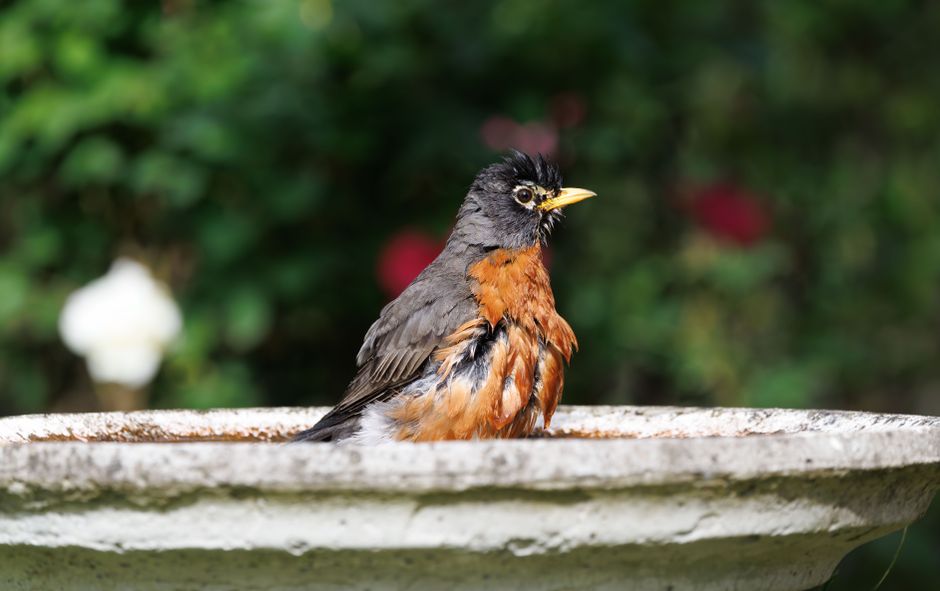
Many people underestimate the effects of regular maintenance on a bird bath’s functionality and aesthetics. Algae can grow quickly in stagnant water, turning your bird bath into a green, slimy hazard in just a few days. Besides being unsightly, algae can harm birds when they ingest it or its toxins.
This makes it crucial to clean your bird bath at least once a week during warmer months.
Moreover, the presence of decaying organic matter can attract unwanted pests like mosquitoes. These pests not only disrupt your outdoor enjoyment but can also carry diseases. Maintaining a clean bird bath protects the health of your garden birds and contributes to a pleasant outdoor environment.
Natural Cleaning Solutions for Your Bird Bath
When it comes to cleaning, I am a strong advocate for avoiding harmful chemicals. Natural cleaning solutions are effective and safe. For routine cleaning, a simple mixture of white vinegar and water works wonders. Just combine equal parts of vinegar and water in a spray bottle for a non-toxic cleaner.
If you’re dealing with stubborn stains or heavy algae, a mixture of baking soda and water can be quite effective. Baking soda is mildly abrasive, so it can scrub away tough residues without damaging the surface of your bird bath.
- White vinegar for routine cleaning
- Baking soda for tough stains
- Scrub brush with soft bristles to avoid scratches
Step-by-Step Bird Bath Cleaning Process
Now that you have your cleaning solutions ready, let’s go through the steps for cleaning your bird bath effectively:
- First, empty the bird bath completely. Make sure to dispose of any remaining water. It’s essential to start with a clean slate.
- Next, rinse the bath with plain water to remove loose debris.
- Apply your chosen cleaner. If using vinegar, spray it generously, focusing on areas with algae. Let it sit for a few minutes.
- Scrub the surfaces using your soft-bristled brush. Pay extra attention to corners and crevices where dirt may hide.
- After scrubbing, rinse thoroughly with clean water. Ensure there are no residue or cleaning solution left behind.
- Finally, refill the bath with fresh water. Adding clean water will encourage birds to return for a drink or a bath.
Best Practices to Maintain a Clean Bird Bath
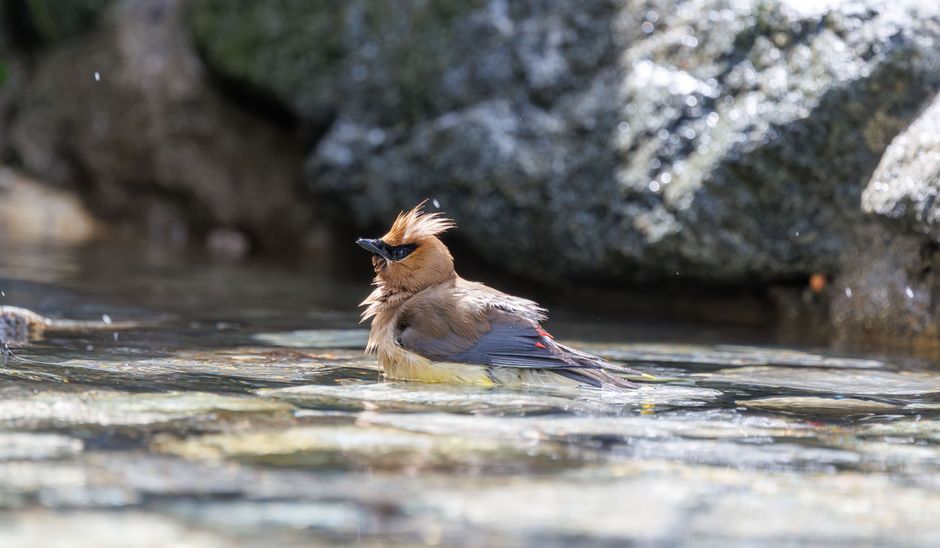
After going through the effort of cleaning your bird bath, you’ll want to maintain that cleanliness. Here are some of the best practices I’ve found:
- Change the water every few days, especially in warm weather.
- Consider placing the bird bath in a shaded area to reduce algae growth.
- Use a bird bath heater during winter to prevent water freezing, ensuring it’s always accessible to birds.
If you are also interested in enhancing your bird bath’s appeal, you might want to read about how bird bath misters work for hummingbirds and add a gentle misting feature.
Common Mistakes to Avoid
One common mistake people make is using bleach or other harsh chemicals to clean their bird baths. These can be toxic to birds and can linger even after rinsing. Always stick to natural solutions. Another pitfall is neglecting regular cleaning. People often think “out of sight, out of mind,” but a dirty bath can deter birds, making them unsafe for drinking or bathing.
Your Conclusion: Keep It Clean, Keep It Safe
For the best results, use a mixture of vinegar and water for weekly cleanings, as it effectively removes grime without harming wildlife. If you’re short on time, a quick scrub with a stiff brush and a rinse will suffice for less frequent maintenance. Choose the method that fits your schedule and keep your bird bath a safe haven.
Frequently Asked Questions
How often should I clean my bird bath?
You should clean your bird bath at least once a week, especially during warmer months when algae growth can be more rapid. If you notice debris or droppings, it’s best to clean it more frequently.
What is the safest cleaning solution for bird baths?
The safest cleaning solution for bird baths is a mixture of one part white vinegar to nine parts water. This solution effectively disinfects while posing little risk to the birds.
Can algae make birds sick?
Yes, algae can potentially make birds sick, as some types produce toxins that are harmful when ingested. It’s important to keep the bird bath clean to prevent algae growth and ensure the health of visiting birds.
Why does my bird bath get dirty so quickly?
Your bird bath may get dirty quickly due to factors like birds splashing water out, leftover food, droppings, or the presence of organic matter like leaves. Additionally, if it’s placed in direct sunlight, algae can grow more rapidly.
Is vinegar safe for cleaning bird baths?
Yes, vinegar is safe for cleaning bird baths when diluted properly. It not only cleans effectively but is also non-toxic to birds, making it an ideal choice for maintenance. You can also learn more about how to clean a bird bath for added information.