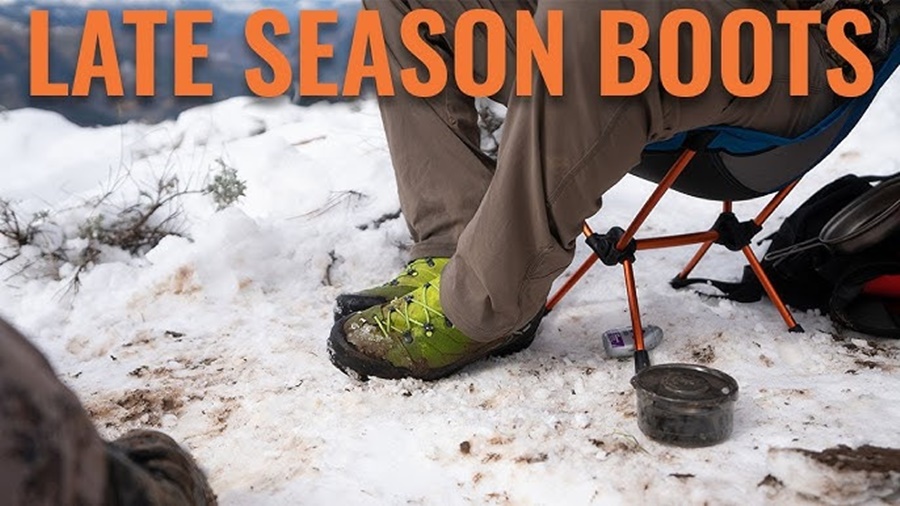
Choosing the right hunting boots can make or break a hunt. Whether you are trekking through warm September fields or pushing through snow-covered ridges in December, your footwear directly affects comfort, mobility, endurance, and safety. Many hunters underestimate how much conditions change between early and late seasons, and wearing the wrong boots often leads to cold feet, blisters, fatigue, or even dangerous exposure.
Early season hunting boots and late season hunting boots are designed for completely different environments. Temperature, terrain, moisture, and hunting style all influence which type performs best. Understanding the differences helps hunters stay comfortable and focused in the field.
This article explores the key distinctions between early and late season hunting boots, including insulation, weight, waterproofing, materials, traction, and ideal use cases.
Understanding Hunting Seasons
Hunting seasons vary by region and species, but they generally fall into two categories:
- Early Season: Late summer through early fall
- Late Season: Late fall through winter
Environmental conditions can shift dramatically between these periods. Early season hunts often involve warm temperatures, dry ground, and long hikes. Late season hunts typically bring freezing weather, snow, mud, ice, and wet terrain.
Boot manufacturers design footwear specifically for these changing conditions.
What Are Early Season Hunting Boots?
Early season hunting boots are lightweight, breathable, and built for mobility. These boots are intended for warmer weather and active hunting styles where overheating and foot fatigue are major concerns.
Hunters commonly use them during:
- Archery season
- September elk hunts
- Dove hunting
- Upland bird hunting
- Warm-weather deer scouting
- Spot-and-stalk hunting
The primary goal of early season boots is comfort during movement.
Features of Early Season Hunting Boots
1. Lightweight Construction
Early season boots are significantly lighter than winter hunting boots. Reduced weight helps hunters cover more ground without exhausting their legs.
Lightweight boots are ideal for:
- Long-distance hiking
- Mountain hunting
- Fast movement
- Active pursuits
A lighter boot also reduces strain on knees and ankles during steep climbs.
2. Minimal Insulation
Most early season hunting boots feature:
- Uninsulated designs
- Light insulation (200–400 grams)
Too much insulation in warm temperatures causes sweating. Moisture buildup inside boots can lead to blisters and discomfort.
Since hunters are usually moving constantly during early season, body heat naturally keeps feet warm.
3. Breathability
Breathability is one of the most important features in warm-weather hunting boots.
Manufacturers often use:
- Mesh panels
- Moisture-wicking liners
- Ventilated materials
Breathable boots allow sweat to escape, keeping feet dry and comfortable during long hikes.
4. Flexible Design
Early season boots tend to have:
- Softer midsoles
- More flexibility
- Greater agility
This flexibility improves comfort when walking over varied terrain. Hunters can move quietly and naturally, which is especially useful for bowhunting.
5. Moderate Waterproofing
Many early season boots are waterproof, but waterproofing is often balanced with breathability.
Hunters may encounter:
- Morning dew
- Light rain
- Small creek crossings
However, heavy-duty waterproof protection is usually less important than ventilation during warm months.
Advantages of Early Season Hunting Boots
Better Mobility
Lightweight construction allows hunters to move quickly and efficiently.
Reduced Fatigue
Less weight means less strain during long hunts.
Cooler Feet
Breathable materials prevent overheating.
Faster Break-In
Many lightweight boots require less time to become comfortable.
Improved Stealth
Flexible soles often create less noise while stalking game.
Disadvantages of Early Season Hunting Boots
Limited Warmth
They are unsuitable for freezing temperatures.
Less Protection
Thin materials may provide less ankle support and durability.
Reduced Performance in Snow
Minimal insulation becomes problematic in cold weather.
Faster Wear
Lightweight boots sometimes sacrifice durability for comfort.
What Are Late Season Hunting Boots?
Late season hunting boots are built for harsh weather and cold conditions. These boots prioritize warmth, waterproofing, insulation, and protection over lightweight mobility.
Hunters commonly use them during:
- Rifle season
- Snow hunts
- Waterfowl hunting
- Treestand hunting in winter
- Late-season deer hunts
- Predator hunting in freezing temperatures
Late season boots are specifically engineered to retain heat and protect against wet, icy terrain.
Features of Late Season Hunting Boots
1. Heavy Insulation
The defining feature of late season boots is insulation.
Common insulation levels include:
- 600 grams
- 800 grams
- 1200 grams
- 1600+ grams for extreme cold
Higher insulation ratings help retain body heat during long periods of inactivity.
Treestand hunters especially benefit from heavily insulated boots because stationary hunting causes feet to cool rapidly.
2. Superior Waterproofing
Late season conditions often include:
- Snow
- Slush
- Mud
- Ice
- Freezing rain
Late season boots typically feature:
- Waterproof membranes
- Rubber lower sections
- Sealed seams
- Water-resistant leather
Keeping feet dry is critical because wet feet lose heat quickly in cold weather.
3. Aggressive Traction
Winter terrain can be dangerous. Late season boots usually include:
- Deep lugs
- Ice-gripping soles
- Rugged outsoles
Enhanced traction improves stability on slippery ground.
4. Stiffer Construction
Cold-weather boots often have:
- Rigid midsoles
- Increased ankle support
- Heavier materials
This added structure improves durability and support when carrying heavy gear through rough terrain.
5. Heat Retention Technology
Many premium late season boots use:
- Thermal linings
- Reflective heat barriers
- Wool insulation
- Advanced synthetic insulation
These technologies help preserve warmth in extreme temperatures.
Advantages of Late Season Hunting Boots
Exceptional Warmth
Designed for freezing temperatures and snow.
Improved Protection
Better ankle support and rugged durability.
Waterproof Performance
Excellent moisture resistance in wet conditions.
Greater Stability
Aggressive soles improve traction.
Ideal for Stationary Hunting
Perfect for treestand and blind hunting.
Disadvantages of Late Season Hunting Boots
Heavier Weight
Extra insulation and materials increase fatigue during long hikes.
Reduced Breathability
Feet may sweat during high activity.
Bulkier Feel
Less flexibility affects mobility.
Longer Break-In Period
Stiffer boots may require extended use before becoming comfortable.
Key Differences Between Early and Late Season Hunting Boots
| Feature | Early Season Boots | Late Season Boots |
|---|---|---|
| Weight | Lightweight | Heavy |
| Insulation | Minimal or none | Heavy insulation |
| Breathability | High | Moderate to low |
| Waterproofing | Moderate | Maximum protection |
| Flexibility | Flexible | Stiff |
| Best Temperatures | Warm to mild | Cold to freezing |
| Hunting Style | Active movement | Stationary or slow movement |
| Terrain | Dry trails and light moisture | Snow, mud, ice |
| Comfort Focus | Mobility | Warmth and protection |
How to Choose the Right Hunting Boots
Consider Temperature
Temperature is the biggest factor when selecting boots.
Warm Weather
Choose lightweight, breathable boots with little insulation.
Cold Weather
Select insulated waterproof boots designed for winter conditions.
A good rule:
- Above 50°F (10°C): Minimal insulation
- 30–50°F (-1°C to 10°C): Moderate insulation
- Below 30°F (-1°C): Heavy insulation
Match Boots to Hunting Style
Active Hunters
Spot-and-stalk hunters should prioritize lightweight mobility.
Stationary Hunters
Treestand hunters need warmth above all else.
Sitting still for hours in cold temperatures quickly causes heat loss.
Evaluate Terrain
Mountain Terrain
Look for support and durability.
Wet Marshes
Waterproofing becomes essential.
Snow and Ice
Aggressive traction is critical.
Think About Sock Systems
Socks dramatically affect boot performance.
Early Season
Use lightweight moisture-wicking socks.
Late Season
Use merino wool or thermal socks for insulation.
Avoid cotton socks because they trap moisture.
Can One Pair Work for Both Seasons?
Some hunters try to use one pair year-round, but compromises are unavoidable.
A moderately insulated waterproof boot may handle:
- Mild early season weather
- Moderate late season conditions
However, it likely will not excel in either extreme.
Hunters who spend significant time outdoors often benefit from owning:
- A lightweight early season boot
- A heavily insulated late season boot
This setup ensures maximum comfort and performance year-round.
Leather vs Synthetic Materials
Leather Boots
Advantages:
- Durable
- Water-resistant
- Excellent support
Disadvantages:
- Heavier
- Longer drying time
- Requires maintenance
Synthetic Boots
Advantages:
- Lightweight
- Faster drying
- More breathable
Disadvantages:
- Less durable
- May wear faster
Early season boots commonly use synthetic materials, while late season boots often incorporate more leather and rubber.
Importance of Proper Fit
Even the best hunting boots fail if they do not fit correctly.
A proper hunting boot should:
- Secure the heel firmly
- Allow toe movement
- Prevent rubbing
- Accommodate hunting socks
For late season boots, ensure enough room for thicker socks without restricting circulation.
Poor circulation can actually make feet colder.
Boot Maintenance Tips
Proper care extends the life of hunting boots.
Clean After Hunts
Remove mud, dirt, and debris.
Dry Properly
Never place boots directly against intense heat.
Waterproof Regularly
Apply waterproof treatments when needed.
Store Correctly
Keep boots in a cool, dry environment.
Maintaining boots improves durability and performance over multiple seasons.
Conclusion
Early season hunting boots and late season hunting boots serve very different purposes. Early season boots focus on lightweight comfort, breathability, and mobility for warm-weather hunts. Late season boots prioritize insulation, waterproofing, traction, and protection against severe winter conditions.