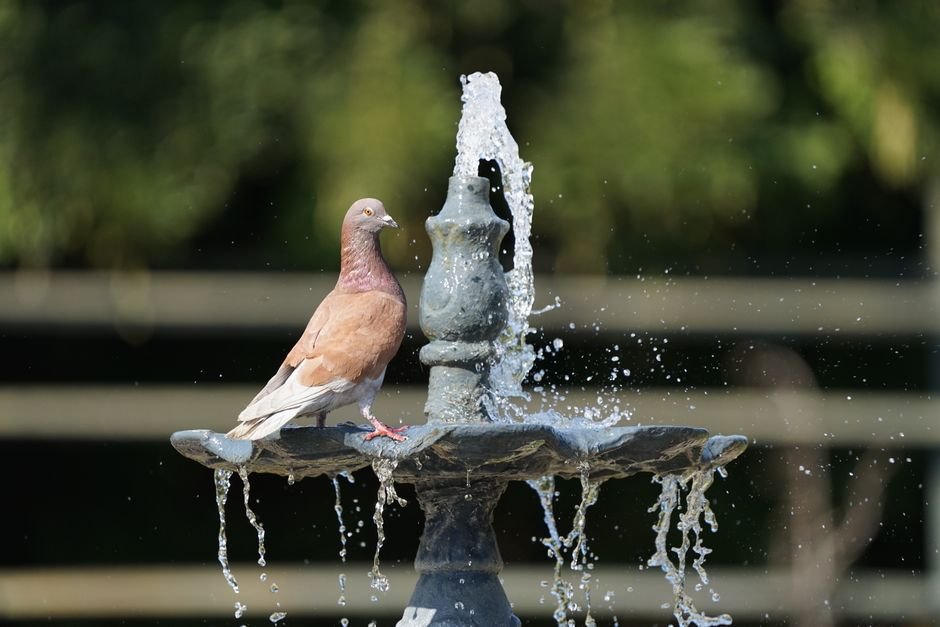
Over 50% of homeowners overlook the significance of installing a bird bath with a fountain in their backyards. A carefully selected fountain can significantly improve the biodiversity of your garden, drawing various bird species while enriching the overall look of your outdoor space. The market now offers an array of bird baths with fountains to accommodate different tastes and financial plans.
In my experience, selecting the right bird bath with fountain type isn’t just about function; it’s about style and placement too. I’ve come across several categories that stand out due to their unique features. Deciding between solar-powered options, tiered fountainsand materials like ceramic or stone can significantly influence the overall effectiveness and beauty of your setup.
Here’s a deep dive into the most popular types of bird bath fountains you should consider.

Solar-Powered Bird Baths
Solar-powered bird baths have gained popularity for their eco-friendliness and hassle-free operation. These bird baths utilize solar panels that convert sunlight into energy, powering an integrated fountain. For those who live in sunny regions, this is an elegant way to keep water circulating without the added cost of electricity.
From my observations, solar-powered models typically come in various designs, including traditional basin styles and more contemporary looks. The fountain effect works wonders to keep the water fresh, preventing stagnation that can deter birds. However, the efficiency of these fountains relies heavily on sunlight; cloudy or rainy days can diminish their flow.
I’ve found that adjusting the placement to maximize sun exposure can solve these issues, enhancing the battery life and performance.
Ceramic Bird Baths
Ceramic bird baths are a beautiful option that doubles as garden decor. They come in various shades and patterns, adding character to your outdoor space while providing hydration to the birds. There’s something about the warmth of ceramic that attracts birds, and the smooth surface is easy to keep clean.
While ceramic bird baths have aesthetic advantages, they can be heavier than other materials, which may affect portability. In colder climates, ceramic can also crack if not properly winterized. I recommend checking for non-glazed styles, as they provide a more natural look and are often more appealing to birds.
The best ceramic designs combine durability with style, making them a worthwhile investment for both you and your garden visitors.
Tiered Fountains
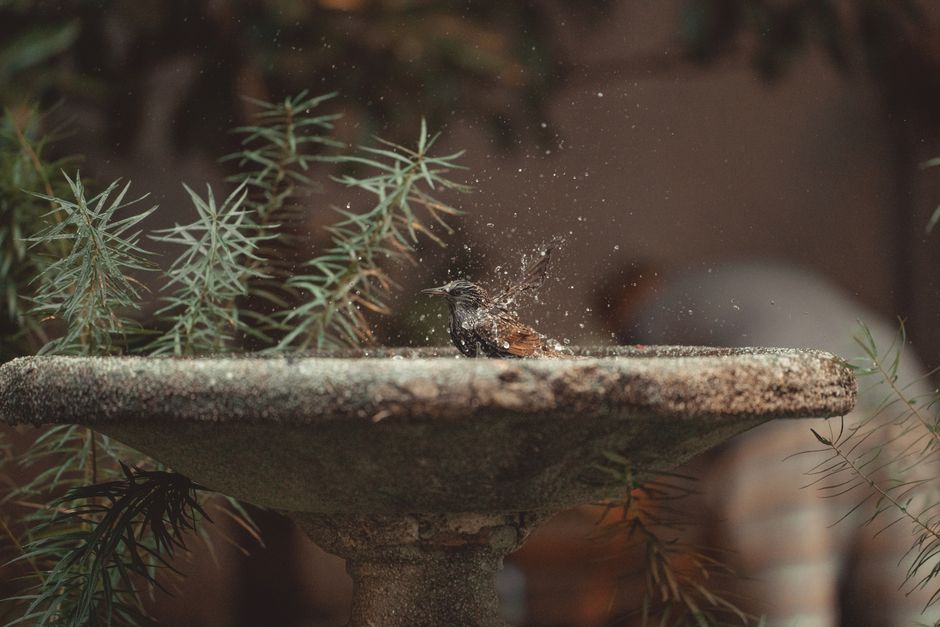
Tiered fountains offer a stunning visual appeal that can transform any outdoor space into a serene setting. With multiple levels, these fountains allow water to cascade gently, creating a soothing sound that draws birds in. The design encourages birds to bathe or drink at different heights, accommodating various species.
These fountains require a bit more maintenance due to their complexity. The individual tiers can collect debris and algae, so regular cleaning is essential. I find that constructing a tiered fountain from materials like concrete or stone not only provides stability but also offers insulation, maintaining a consistent water temperature.
These fountains serve dual purposes as stunning garden features and effective bird baths, making them a top choice for dedicated bird watchers.
Considerations for Placement and Maintenance
Placement is crucial when considering any bird bath with fountain types; it needs to be in a location that offers safety for birds while being visible to you. A spot under a tree can provide shade and shelter from predators but should not be overly dense to prevent birds from spotting potential threats. Similarly, ensuring the fountain is easily accessible is essential for avian visitors.
Maintenance requirements vary depending on the type of fountain you choose. Solar fountains might only need you to check the solar panel for dirt and debris, while tiered fountains generally require thorough cleaning and water changes. Whenever I install a new fountain, I ensure I have a plan for regular maintenance, as stagnant water can lead to unwanted mosquito populations.
Final Recommendations
For those seeking to attract different types of birds while maintaining visual appeal, a solar-powered fountain is the best choice, aligning with eco-friendly practices. If aesthetic value is your focus, consider a ceramic bird bath, which combines decoration with functionality. Tiered fountains are great for those who want to enhance sound and visual experience but require more maintenance.
Frequently Asked Questions
How do bird bath fountains work?
Bird bath fountains typically work by using a pump to circulate water from the basin to a nozzle or spray head, creating a fountain effect. The pump draws water from the bath, pushing it up and out, which not only adds visual appeal but also provides birds with fresh, moving water for drinking and bathing.
Are solar bird bath fountains effective?
Solar bird bath fountains can be effective, especially in areas with ample sunlight, as they use solar panels to power the pump. However, their performance may be limited on cloudy or overcast days, making them best for sunny locations.
What type of bird bath attracts most birds?
A bird bath that is shallow, with a flat base and rough surface, tends to attract the most birds, as they prefer easy access to water. Including features like a fountain or water movement can also entice birds, as they are instinctively drawn to fresh, moving water.
Can I use my bird bath in winter?
Yes, you can use your bird bath in winter, but you should ensure that the water does not freeze. Adding a heater or using a heated bird bath can provide birds with a reliable source of water even in cold weather.
Why is my bird bath fountain not working?
If your bird bath fountain is not working, it could be due to a clogged pump, low water level, or electrical issues. Make sure to check for debris in the pump, ensure there is enough water to cover the pump, and inspect any electrical connections if it is powered by electricity.
For those who specifically want to attract birds, utilizing methods like roost boxes can enhance your garden’s appeal.