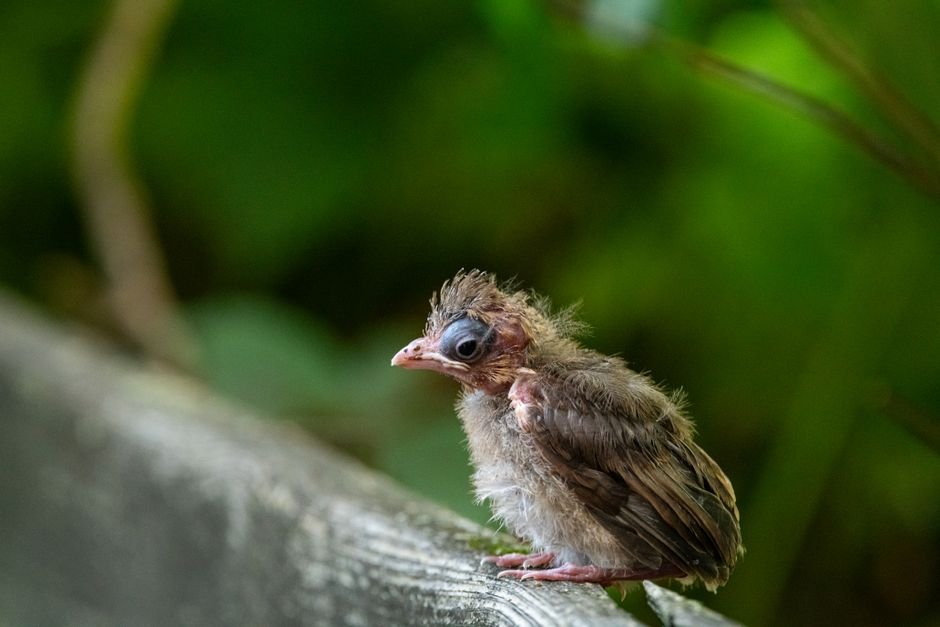
Eight out of ten fledgling birds do not require human intervention when learning to fly. It's essential to know that these young birds are often best left alone, as their parents are likely nearby, watching over them. Here are effective ways to assist fledglings when genuine help is needed.
Whether you’re an avid birdwatcher or just someone who enjoys the presence of wildlife, these strategies will guide you in how to assist these young birds without inadvertently causing harm. Knowing how to respond can make all the difference during this vulnerable time in their lives.
1. Identify Their Age and Needs
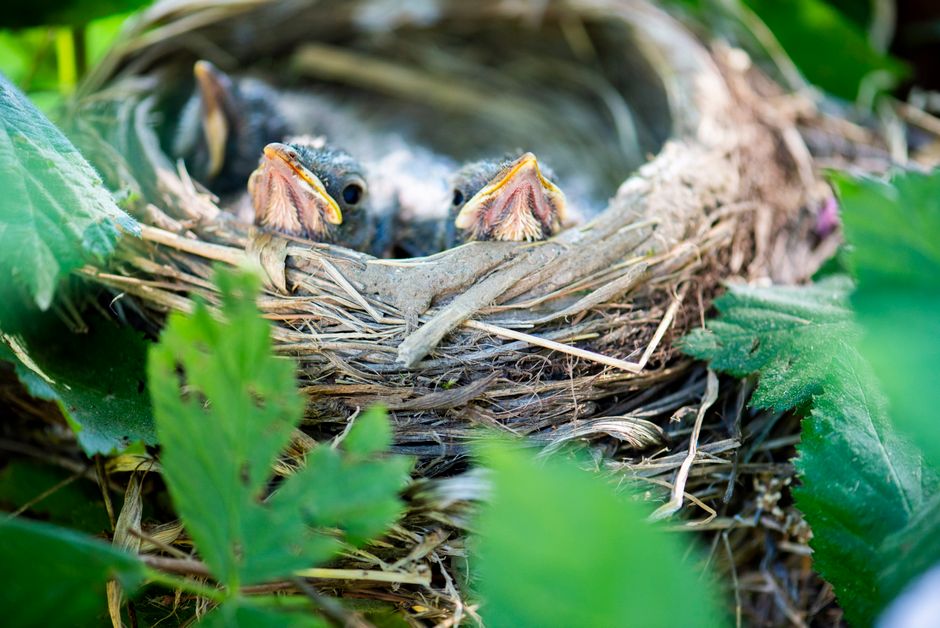
It’s vital to know if the bird is a fledgling or still a nestling. Fledglings typically have feathers and are hopping around on the ground. They often can’t fly yet but are learning. This knowledge aids in determining how to assist them.
If the bird is a nestling (featherless or with very few feathers), it’s likely that they need to be returned to the nest for proper care. Identifying their age is the first step in providing the best support.
Remember, fledglings are learning to fly and may be on the ground as part of their training. Disturbing them may impede their progress.
2. Avoid Handling Unless Necessary
While it’s tempting to scoop up a cute little bird, handling them can do more harm than good. Adult birds often watch from a distance and may become agitated if they sense a human nearby. Moreover, the parental birds can identify their young by their scent, and too much contact can disrupt this.
If you can avoid it, do not handle the fledgling unless it’s in immediate danger.
If you must intervene, consider using gloves to minimize your scent and stress to the bird.
3. Provide Shelter and Safety
Create a safe zone for the fledgling. If it’s in a risky spot (near a road or in a predator’s way), gently guide it to a more secure area using a box or a soft cloth. Ideally, you’d place it nearby in shrubs or grass where it’s hidden.
Fledglings can remain on the ground for days, so ensure they have a sheltered spot they can retreat to if frightened.
Be watchful for predators, such as cats or birds of prey. You can even create a temporary barrier with garden furniture or other harmless obstacles.
4. Offer Food and Water Wisely
If the bird seems weak or famished, you can provide food like mealworms or soft fruits, but avoid bread or dairy products. Fledglings still rely on their parents, and any food you provide may delay that natural process. Similarly, providing fresh water is essential, but ensure it is shallow enough that the bird won’t drown.
Always err on the side of caution if you choose to do this, a well-fed fledgling is likely to thrive when their parents return.
If you’re also considering attracting adult birds to your area, check out the guide on how to attract them to a bird bath for the best feeding techniques.
5. Keep a Safe Distance
If the fledgling doesn’t appear to be in immediate danger, it’s best to observe from a distance. Both the fledgling and its parents will benefit from the distance. Parent birds will feed their young without interruption if they feel safe. You might find yourself amazed at the process as they swoop in and out with insects or food they’ve gathered.
Use binoculars for a better view while maintaining a respectful distance.
6. Know When to Call for Professional Help
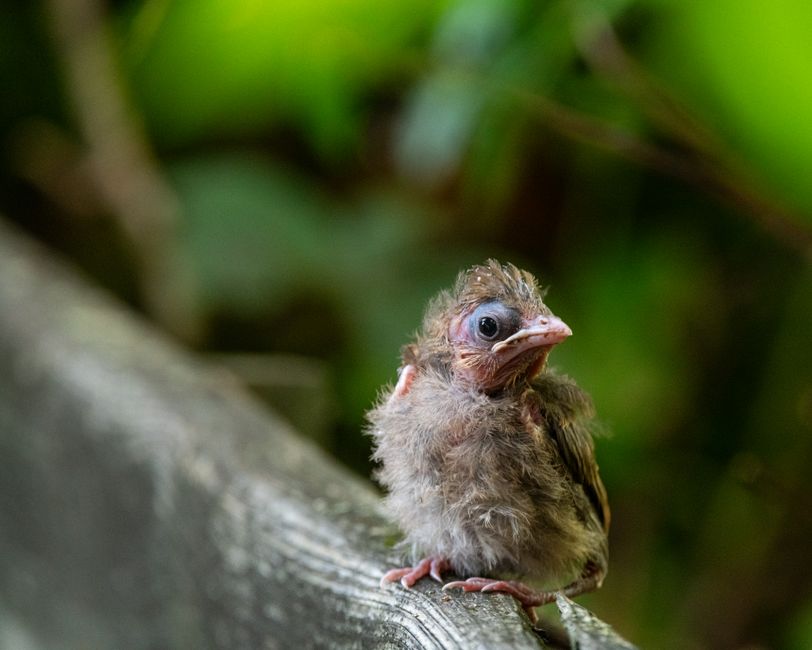
If the fledgling is injured or lying motionless for an extended period, it’s time to consider contacting a wildlife rehabilitation center. They have the knowledge and resources to handle the situation safely. Providing them with a detailed account of the bird’s condition will help them assist efficiently. In some cases, they might even guide you on how to help.
Be prepared to follow their instructions closely, they know what’s best for these young birds.
7. Educate Others Around You
Once you’ve learned how to assist fledgling birds, consider sharing this information with neighbors and friends. Many people are unaware of how to react when they encounter these vulnerable creatures. You could take the initiative by posting flyers or sharing a quick educational talk during local community events. Knowledge helps protect our wildlife and fosters a culture of respect for nature.
Teaching others can lead to a community initiative that might even promote wildlife-friendly practices, which can benefit many creatures.
How to Choose
The best approach is to observe from a distance, especially if the fledgling appears healthy. If you're uncomfortable or if the bird is injured, contacting a local wildlife rescue is the best option, as they have the expertise to handle these situations appropriately.
Frequently Asked Questions
What should I do if I find a fledgling bird?
If you find a fledgling bird, assess its condition first. If it appears uninjured but is on the ground, leave it alone as its parents are likely nearby and still feeding it.
How long does a fledgling stay on the ground?
Fledgling birds can spend several days on the ground as they learn to fly and develop their skills. During this time, they may be visited frequently by their parents who continue to feed them.
Is it okay to touch a fledgling bird?
It is generally advisable to avoid touching fledgling birds unless absolutely necessary, as human scent can deter parents from returning. If the fledgling is in danger, such as in a roadway, carefully relocate it to a nearby bush or tree.
Can fledgling birds survive on their own?
Yes, fledgling birds are often capable of surviving on their own, although they may require some support from their parents for food and protection initially. They are learning to fly and gather food during this stage of development.
How can I create a safe habitat for fledglings?
To create a safe habitat for fledglings, ensure that your yard has plenty of shrubs and trees where they can find cover. Avoid using chemicals or pesticides that could harm them, and keep pets indoors to reduce the risk of predation.