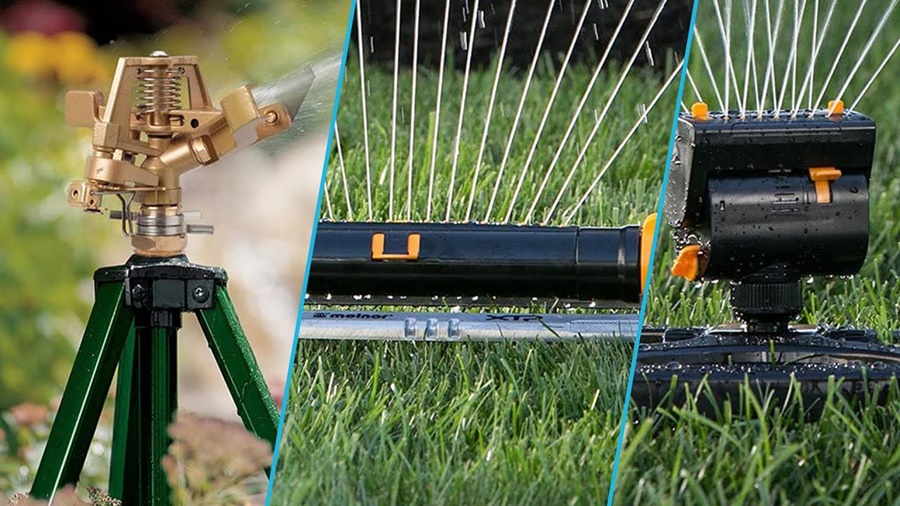
Above-ground irrigation systems are generally more affordable, with installation costs around 30% lower than underground systems, but they often require more maintenance and can detract from landscape aesthetics. Conversely, underground systems provide superior water efficiency and minimize evaporation loss, which is essential for sustaining healthy crops and gardens. Evaluating the unique advantages and challenges of each option is crucial for effective water management and optimal plant health.
This article explores the features, benefits, drawbacks, and ideal applications of both above-ground and underground irrigation systems to help property owners, farmers, and landscapers select the most suitable option.
What Is an Above-Ground Irrigation System?
An above-ground irrigation system consists of pipes, hoses, sprinklers, and other components installed on the soil surface. Water is distributed directly through visible equipment placed above the ground.
Common examples include:
- Garden hose sprinkler systems
- Portable sprinkler systems
- Drip irrigation lines laid on the soil surface
- Temporary irrigation setups for agricultural fields
Advantages of Above-Ground Irrigation Systems
1. Lower Installation Cost
One of the primary benefits of above-ground irrigation is its affordability. Since there is no need for digging trenches or extensive labor, installation costs remain relatively low.
2. Easy Maintenance
All components are visible and accessible, making it easier to identify leaks, damaged pipes, or clogged emitters. Repairs can often be completed quickly without excavation.
3. Flexible Design
Above-ground systems can be moved, expanded, or modified with minimal effort. This flexibility is especially useful for seasonal gardens or changing landscapes.
4. Faster Installation
The installation process is generally simple and can often be completed within a few hours or days, depending on the project’s size.
5. Suitable for Temporary Applications
Construction sites, seasonal farms, and temporary landscaping projects often benefit from above-ground systems because they can be easily removed when no longer needed.
Disadvantages of Above-Ground Irrigation Systems
1. Vulnerability to Damage
Exposed pipes and sprinklers can be damaged by foot traffic, lawn equipment, animals, or weather conditions.
2. Less Attractive Appearance
Visible irrigation equipment may reduce the aesthetic appeal of residential lawns and commercial landscapes.
3. Water Loss Through Evaporation
Because water is distributed above the surface, evaporation losses can be higher, especially in hot and windy climates.
4. Obstruction Risks
Exposed hoses and pipes can create obstacles for mowing, landscaping activities, and pedestrian movement.
What Is an Underground Irrigation System?
An underground irrigation system consists of pipes buried beneath the soil surface. Water is delivered through hidden pipelines to sprinkler heads or drip emitters that emerge only when needed.
Common examples include:
- In-ground sprinkler systems
- Subsurface drip irrigation systems
- Automated lawn irrigation systems
- Permanent agricultural irrigation networks
Advantages of Underground Irrigation Systems
1. Improved Aesthetics
Since most components remain hidden underground, the landscape maintains a clean and attractive appearance.
2. Better Protection
Buried pipes are protected from weather, vandalism, accidental impacts, and machinery damage.
3. Increased Water Efficiency
Underground systems often deliver water directly to plant roots, reducing evaporation and runoff losses.
4. Automation Capability
Many underground irrigation systems can be connected to timers, controllers, moisture sensors, and smart irrigation technology for automated watering.
5. Long-Term Durability
When properly installed and maintained, underground systems can provide reliable performance for many years.
Disadvantages of Underground Irrigation Systems
1. Higher Installation Cost
Installation requires trenching, pipe laying, and professional labor, resulting in higher upfront expenses.
2. Difficult Repairs
Locating leaks or damaged pipes can be challenging because the components are buried beneath the soil.
3. Complex Installation Process
Proper planning and design are necessary to ensure efficient water distribution and avoid future maintenance issues.
4. Potential Root Intrusion
Tree roots may infiltrate underground pipes over time, causing blockages or damage.
Key Differences Between Above-Ground and Underground Irrigation Systems
| Feature | Above-Ground Irrigation | Underground Irrigation |
|---|---|---|
| Installation Cost | Low | High |
| Installation Time | Fast | Longer |
| Maintenance Access | Easy | More Difficult |
| Appearance | Visible Components | Hidden Components |
| Water Efficiency | Moderate | High |
| Durability | Lower | Higher |
| Flexibility | Highly Flexible | Less Flexible |
| Risk of Physical Damage | High | Low |
| Automation Potential | Limited | Excellent |
| Long-Term Value | Moderate | High |
Which Irrigation System Is Better?
The answer depends on the specific needs of the property and budget.
Choose Above-Ground Irrigation If:
- You have a limited budget.
- You need a temporary irrigation solution.
- You frequently change planting layouts.
- Easy maintenance is a priority.
- The irrigation area is small.
Choose Underground Irrigation If:
- You want a permanent irrigation solution.
- Landscape appearance is important.
- Water conservation is a priority.
- You prefer automated watering schedules.
- You manage large lawns, parks, or commercial properties.
Cost Comparison
While actual costs vary depending on location and project size, underground irrigation systems typically cost significantly more to install than above-ground systems. However, underground systems often provide greater long-term savings through improved water efficiency and reduced damage-related repairs.
Property owners should evaluate both the initial investment and long-term operating costs before making a decision.
Environmental Considerations
Water conservation has become increasingly important in modern landscaping and agriculture. Underground irrigation systems generally offer better environmental performance because they minimize evaporation and deliver water more precisely. However, above-ground drip irrigation systems can also achieve excellent water efficiency when properly designed and maintained.
Both systems can contribute to sustainable water management when used responsibly.
Conclusion
Both above-ground and underground irrigation systems serve valuable purposes and can effectively support healthy plant growth. Above-ground systems offer affordability, flexibility, and easy maintenance, making them ideal for smaller or temporary projects. Underground systems provide superior aesthetics, durability, automation, and water efficiency, making them a preferred choice for permanent installations.
Before selecting an irrigation system, consider factors such as budget, landscape size, maintenance requirements, water conservation goals, and long-term property plans. By carefully evaluating these factors, you can choose the irrigation solution that best meets your needs and maximizes the health and productivity of your landscape.