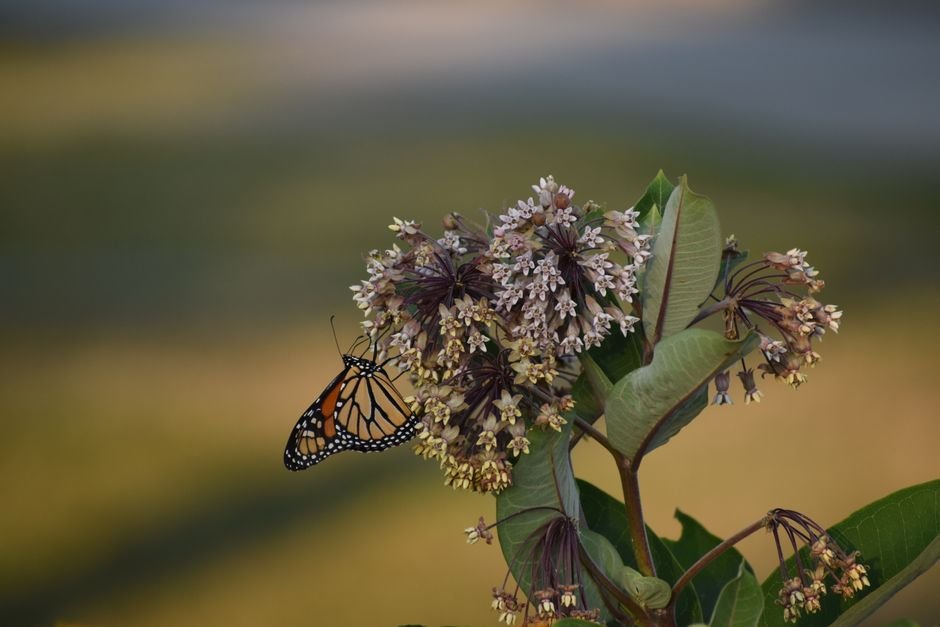
Planting milkweed for monarch butterflies can be more complicated than it seems, often resulting in frustrating setbacks for gardeners. Choosing the appropriate milkweed variety and dealing with pests are just a couple of the hurdles that need to be navigated to ensure successful growth.
Through my experiences, I’ve navigated a few common difficulties that arise when trying to cultivate this crucial plant for monarchs. Understanding these challenges not only sets realistic expectations but also empowers you to prepare and respond more effectively. Below, I’ll break down the major difficulties you’ll likely face and offer practical tips to overcome them.

Finding the Right Milkweed Species
One of the first roadblocks is choosing the appropriate milkweed species. Not all varieties thrive in every region. For instance, common milkweed (*Asclepias Syriaca*) does well in many areas, but if you live in the Southwest, you might do better with butterfly milkweed (*Asclepias tuberosa*). This mistake can lead to wasted effort and disappointing results, as the wrong species won’t attract monarchs.
Considering your local climate and soil conditions is essential. Conducting soil tests can provide insight into your current soil quality and its suitability for specific milkweed species. I recommend consulting local gardening groups or native plant societies to determine what works best in your area. A little research upfront can prevent many headaches later on.
Soil Preparation Challenges
Soil preparation often becomes more complex than expected. Monarchs prefer well-draining, nutrient-rich soil. However, many gardeners assume regular garden soil will suffice. Poor soil conditions can stunt plants’ growth, leading to weak specimens that won’t attract monarchs. I learned this the hard way when I misjudged the soil quality in my garden.
To improve your soil, consider adding organic matter such as compost or well-rotted manure. This not only enriches your soil but also boosts its structure, allowing for better drainage. Properly amended soil leads to healthier milkweed, which, in turn, can support more monarchs. As a bonus, it’s beneficial for other garden plants as well.
Garden Pests are an Ongoing Concern
Once you have your milkweed planted, pests can become a significant hurdle. Aphids, in particular, seem to love milkweed, which can lead to the leaves getting damaged and the overall plant health declining. It’s critical to be vigilant. Many people overlook this issue and later find their plants struggling because they failed to address pest problems early.
One effective method I’ve found is introducing beneficial insects like ladybugs or lacewings, which feed on aphids. Alternatively, you can use insecticidal soap as a treatment, although I generally prefer natural methods. Just be cautious and avoid any chemicals that could harm monarch larvae. They are vulnerable to many common pesticides, and even some “natural” solutions can have unintended consequences.
Watering Issues
Watering can be deceptively challenging. Milkweed doesn’t require excessive moisture, but it can’t thrive with too little either. Many new gardeners overestimate what milkweed needs and either drown their plants or let them dry out completely. Understanding the moisture level of your soil is crucial.
To avoid this pitfall, I recommend checking your soil’s moisture about an inch below the surface. If it’s dry at this depth, it’s time to water. Incorporating mulch can also help retain moisture while suppressing weeds. This simple step will allow your milkweed to flourish without the added stress of fluctuating water levels.
Seasonal Considerations
Timing plays a critical role in the success of your milkweed planting efforts. Many first-time planters tend to underestimate the growing season and may plant either too early or too late. Monarchs typically start appearing in spring, so you’ll want to have your milkweed established by then.
Misjudging when to plant can result in your plants struggling to catch up or, worse yet, dying off before the monarchs arrive.
Learn the frost dates for your area and plan accordingly. While it may feel safer to plant earlier, you run the risk of frost damage. Aim to plant after the last frost date, and keep an eye on the growth progress. If necessary, use row covers to protect the seedlings from unexpected cold snaps.

Creating a Supportive Environment
Creating a supportive environment not only involves planting milkweed but also ensuring the surrounding habitat fosters butterfly attraction. This means planting a diverse range of flowers that bloom throughout the growing season. Many begin planting milkweed but fail to add other nectar-producing plants, limiting the habitat’s overall appeal.
A few excellent companion plants include coneflowers, black-eyed Susans, and bee balm. These plants will not only attract monarchs but also benefit various pollinators. Designing your garden with this in mind can enhance the overall ecosystem, making your garden a thriving hub for wildlife.
A Cautionary Note
To maximize your chances of success, focus on native milkweed species like Asclepias tuberosa or Asclepias incarnata, which are well-suited for local ecosystems. For gardeners in urban areas, consider container gardening to manage space, while those with larger plots can dedicate a section of their yard to a diverse milkweed garden.
Frequently Asked Questions
Why is my milkweed not growing well?
Milkweed may struggle to grow due to factors such as insufficient sunlight, poor soil quality, or inadequate watering. Ensure that the plants are getting full sun and that your soil drains well while providing the necessary nutrients.
What type of soil is best for milkweed?
Milkweed thrives in well-drained, sandy or loamy soil with a slightly acidic to neutral pH. It’s essential to avoid overly compacted or waterlogged soils, as these can hinder growth and lead to root rot.
How can I prevent pests on milkweed?
To prevent pests on milkweed, regularly inspect your plants for signs of infestation and use organic pesticides or insecticidal soap if needed. Encouraging beneficial insects, such as ladybugs, can also help control pest populations.
Can milkweed grow in containers?
Yes, milkweed can grow in containers, provided the container is large enough to accommodate its root system and has good drainage. Choose a pot that is at least 12 inches deep and wide to ensure healthy growth.
Why is milkweed important for monarchs?
Milkweed is crucial for monarch butterflies as it serves as the sole host plant for their larvae, providing them with food and a place to develop. Without difficulties planting milkweed for monarch butterflies, monarch populations cannot thrive, making it essential for their survival.