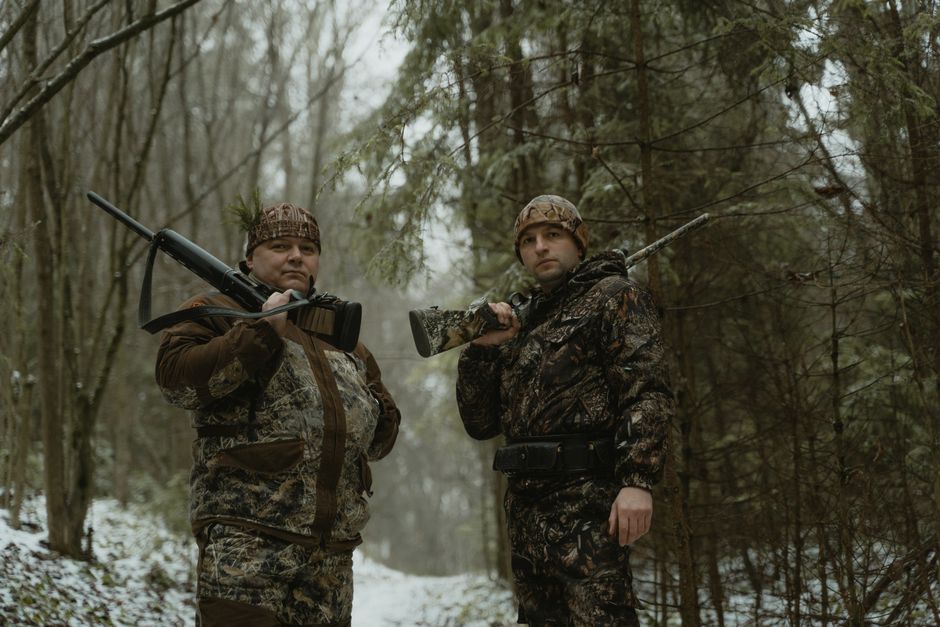
For beginners, a vital hunting tip is to master the basics of safety and gear selection, starting with a quality rifle or shotgun that fits your stature. Familiarize yourself with local regulations and animal behavior to enhance your skills. With these foundational aspects, new hunters can transition from feeling overwhelmed to building confidence and competence right from their first outing.
Hunting is more than a hobby — it is a tradition rooted in wildlife management, patience, and respect for nature. This guide breaks down everything you need to know, from the types of game you can pursue to how field dressing works. Whether you are drawn to deer, turkey, or upland birds, this complete guide will set you on the right path.
Types of Hunting Every Beginner Should Know About
Before you buy a single piece of gear, you need to know what you want to hunt. Different game species require different skills, seasons, equipment, and habitat knowledge. Starting with the right type of game hunting makes your first season far more manageable.
Deer hunting is the most popular entry point for beginners in North America. It offers a long season in most states, abundant public land opportunities, and a significant reward in the form of venison. Turkey hunting is another excellent choice — it is active, challenging, and does not require expensive equipment to get started.
Small game hunting, such as pursuing rabbits or squirrels, is often overlooked but is ideal for beginners. Seasons are long, licenses are affordable, and the skills you build translate directly to larger game hunting later. Waterfowl hunting, while rewarding, involves more gear and regulations, so most experts recommend saving it for your second or third season.
Essential Hunting Gear and Equipment to Get Started
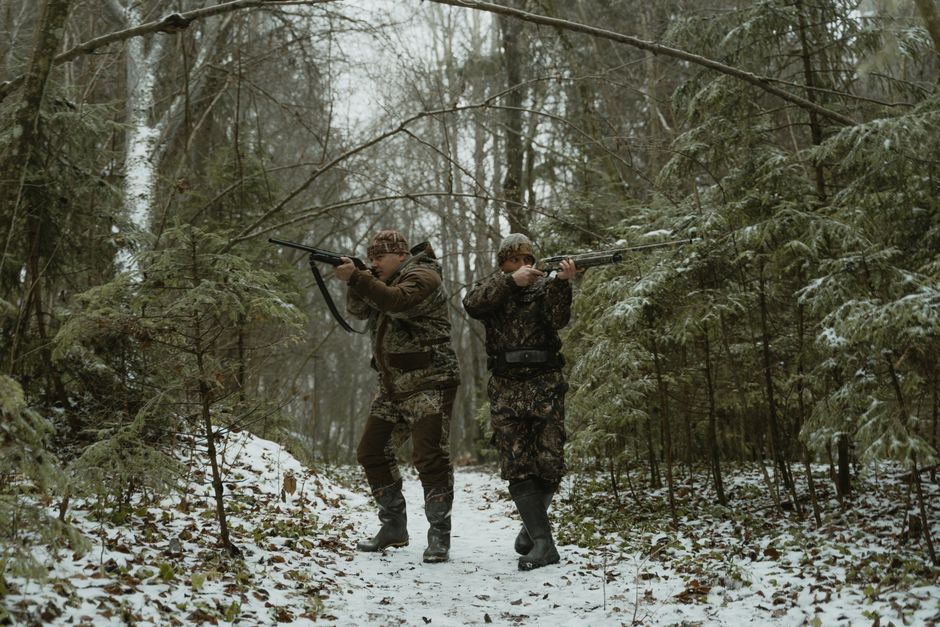
You do not need to spend a fortune when you are starting out. Focus on the essentials first and add specialty gear over time. Prioritize safety, comfort, and function above all else.
Your weapon is obviously the central piece of equipment. Beginners often start with a rifle for deer hunting or a shotgun for birds and small game. Visit a local sporting goods store, handle several options, and ask for guidance before purchasing. A firearm that fits you well will improve accuracy and confidence significantly.
Clothing matters more than most beginners expect. Layering is key — base layers manage moisture, mid-layers provide insulation, and outer layers block wind and rain. Footwear deserves special attention as well. Choosing between insulated hunting boots vs non-insulated hunting boots depends on your season, terrain, and the temperatures you expect to encounter in the field.
- Blaze orange vest or hat for visibility and legal compliance
- Quality binoculars for scouting game from a distance
- A sharp, fixed-blade knife for field dressing
- A daypack with water, snacks, a first aid kit, and a compass
- A hunting license and any required tags for your target species
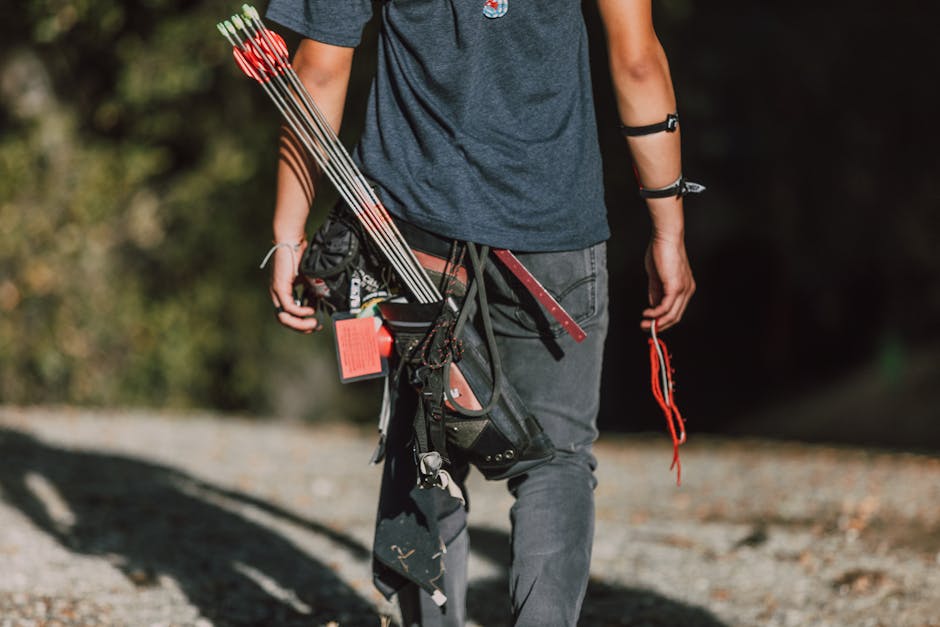
Understanding Hunting Licenses, Seasons, and Regulations
Every beginner must understand that hunting is a regulated activity. Wildlife management agencies set rules to protect animal populations, ensure fair chase, and maintain healthy ecosystems. Ignoring these rules carries serious legal consequences.
A hunting license is required in every U.S. state and most countries worldwide. In most states, first-time hunters must complete a hunter education course before purchasing a license. These courses cover firearm safety, ethics, wildlife identification, and local regulations. They typically cost between $15 and $30 and can often be completed online or in person.
Beyond a basic hunting license, you may need additional tags or permits for specific species such as deer, elk, or turkey. Seasons vary widely by state and species, so always check your state wildlife agency’s website for current dates and limits. Bag limits, legal shooting hours, and allowed methods of take are all part of the regulations you must follow before heading into the field.
- Complete a certified hunter education course before applying for a license
- Check your state or provincial wildlife agency website for current seasons
- Understand the difference between a hunting license, tag, and stamp
- Know the legal shooting hours for your specific species and zone
- Carry your license and any required tags in the field at all times
Top Hunting Tips to Improve Your Success in the Field
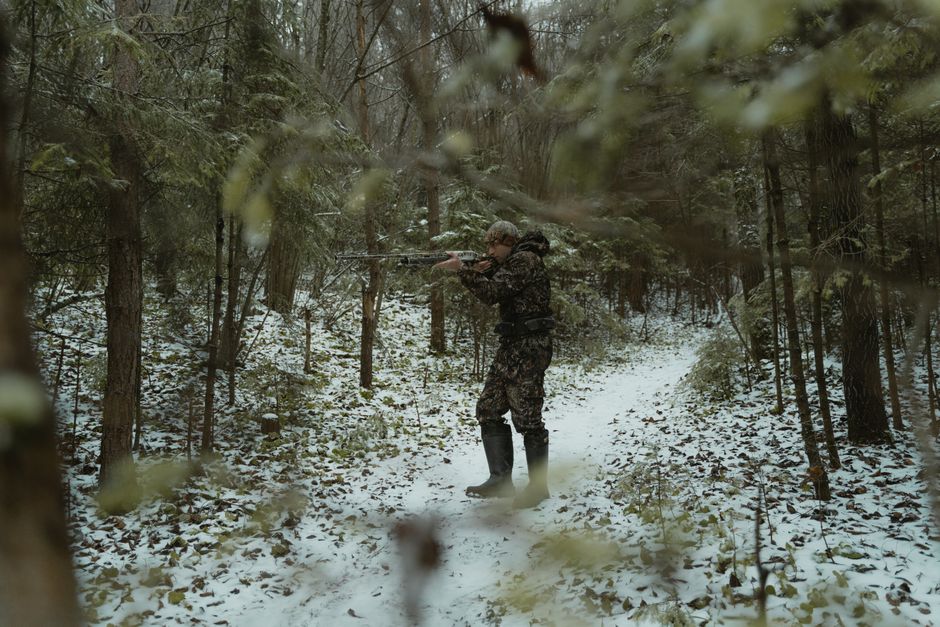
Raw enthusiasm gets you into the field, but smart strategy keeps you coming back with game. Learning how animals behave, where they feed, and when they move is the foundation of consistent success. Scouting before the season opens is one of the highest-value activities any beginner can do.
Wind direction is one of the most critical factors in any hunt, particularly for deer. Animals rely heavily on their sense of smell to detect danger. Always position yourself downwind from where you expect game to approach. Arrive early, move slowly, and make as little noise as possible. Patience is not just a virtue in hunting — it is a core skill.
Practice your shooting before the season opens. Whether you use a firearm or a bow, consistent practice builds muscle memory and ethical shot placement. An ethical, clean shot is the responsibility of every hunter. Field dressing your animal properly as soon as possible preserves meat quality and prevents spoilage. If you are unsure how to field dress your first deer or turkey, watch instructional videos in advance and consider going out with an experienced mentor.
- Scout your hunting area weeks before the season opens
- Learn to read animal signs including tracks, rubs, scrapes, and droppings
- Manage your scent by washing clothes in scent-free detergent
- Practice shooting at realistic distances from field positions
- Hunt during peak activity times — early morning and late afternoon
- Tell someone your hunt plan, location, and expected return time
- Study field dressing techniques before your first successful harvest
Finding Mentors and Building Your Hunting Community
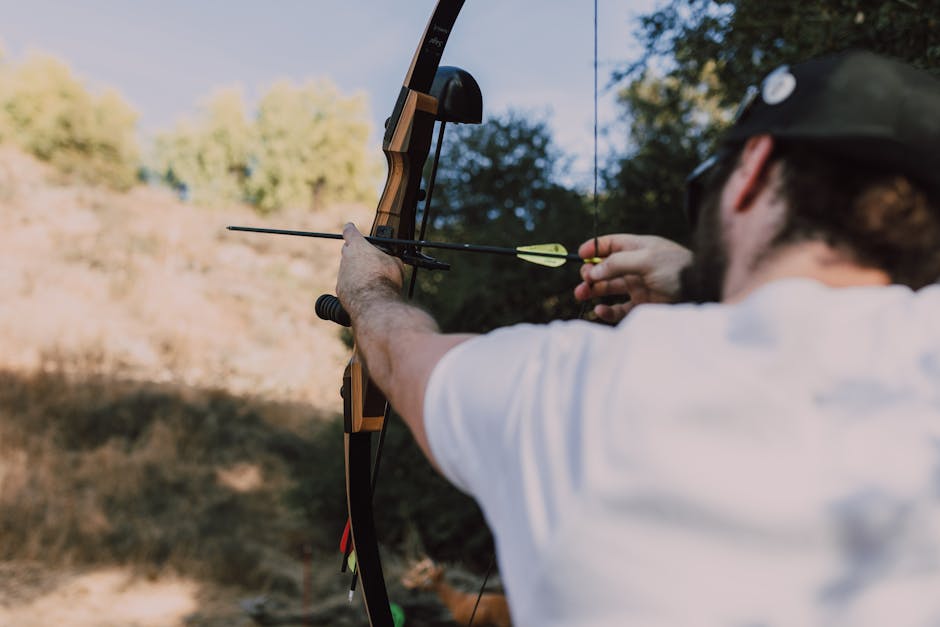
One of the best hunting tips for beginners is simply this: find someone who already knows what they are doing and ask to tag along. Most experienced hunters are generous with their knowledge and enjoy introducing new people to the sport. Local hunting clubs, state wildlife agencies, and organizations like the National Deer Alliance often offer mentored hunt programs specifically for beginners.
Online communities are also a valuable resource. Forums, social media groups, and YouTube channels offer hours of free, practical information on everything from scouting tactics to field dressing. Just be sure to cross-reference advice with your state’s specific regulations, since rules vary considerably by region.
Building relationships in the hunting community also opens doors to private land access, shared knowledge about productive areas, and trusted gear recommendations. Hunting is deeply social at its core, and connecting with others accelerates your learning more than any single piece of equipment or guide ever could.
Frequently Asked Questions
What is the best state for hunting in the US?
Some of the best states for hunting include Texas, Wisconsin, Kansas, and Montana, depending on the game you're after. Texas leads in whitetail deer and exotic game, while Montana is renowned for elk and big game hunting. The best state ultimately depends on your target species and hunting preferences.
What license do you need to go hunting?
You generally need a state-issued hunting license, which is obtained through your state's fish and wildlife agency. Most states also require a Hunter Education Certificate, especially for first-time hunters. Additional tags or permits may be required for specific species like deer, elk, or turkey.
What are the different types of hunting?
The main types of hunting include big game hunting (deer, elk, bear), small game hunting (rabbit, squirrel), waterfowl hunting (ducks, geese), turkey hunting, and upland bird hunting (pheasant, quail). There is also bow hunting, rifle hunting, and muzzleloader hunting, which are categorized by the weapon used. Each type has its own regulations, seasons, and required licenses.
How do you prepare for your first hunting trip?
Start by completing a Hunter Education course and researching the local regulations and seasons for your target game. Scout your hunting location in advance, invest in proper gear including appropriate clothing and footwear, and practice with your weapon before the season. Going with an experienced mentor for your first trip is highly recommended.
What is the safest hunting practice for beginners?
Always treat every firearm as if it is loaded and never point it at anything you don't intend to shoot. Wear blaze orange clothing to remain visible to other hunters, and always identify your target and what lies beyond it before shooting. Taking a certified Hunter Education course before your first trip is the single most important safety step a beginner can take.