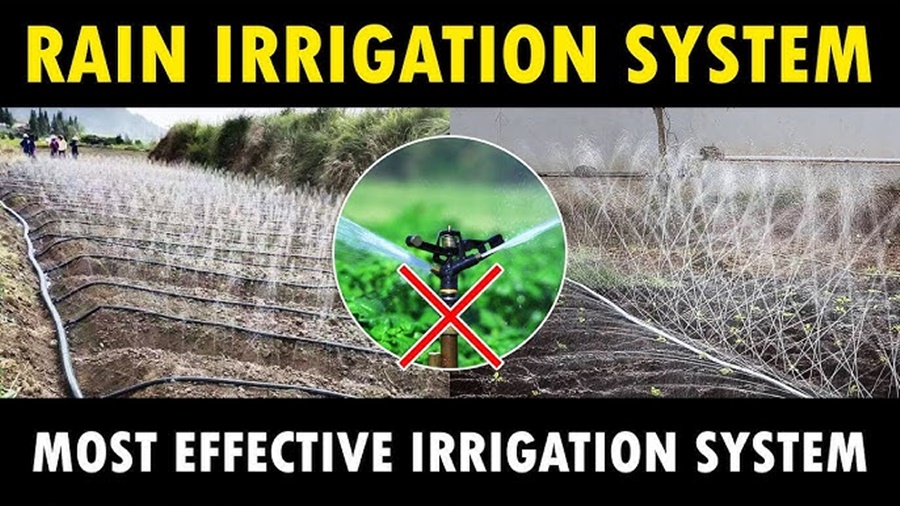
Rainwater irrigation systems can reduce water costs by up to 50% compared to municipal water irrigation, making them a sustainable and cost-effective choice. As water demand rises, selecting the right irrigation method is vital for homeowners, farmers, and businesses. It's important to grasp the differences in cost, environmental impact, and reliability to ensure efficient water management in agriculture and landscaping.
This article explores the differences between rainwater irrigation systems and municipal water irrigation systems, highlighting their advantages, disadvantages, and ideal applications.
What Is a Rainwater Irrigation System?
A rainwater irrigation system collects, stores, and distributes rainwater for irrigation purposes. Water is typically captured from rooftops, greenhouses, or other surfaces and directed into storage tanks, reservoirs, or underground cisterns. The stored water is then used to irrigate gardens, lawns, landscapes, or agricultural fields.
Components of a Rainwater Irrigation System
- Collection surface (roof or catchment area)
- Gutters and downspouts
- Filtration system
- Storage tank or cistern
- Pump and pressure system
- Irrigation network (drip lines, sprinklers, or hoses)
What Is Municipal Water Irrigation?
Municipal water irrigation uses water supplied through a public water distribution system. The water is treated and delivered through pipelines to residential, commercial, and agricultural users. Irrigation systems connected to municipal supplies can directly access water whenever needed.
Components of Municipal Water Irrigation
- Municipal water connection
- Water meter
- Pipes and valves
- Irrigation controller
- Sprinklers or drip irrigation system
Cost Comparison
Rainwater Irrigation System
The initial investment for a rainwater harvesting system can be relatively high. Costs include storage tanks, pumps, filters, and installation. However, once installed, operating costs are generally low because the water source is free.
Advantages:
- Reduces monthly water bills
- Long-term savings
- Less dependence on utility providers
Disadvantages:
- High installation costs
- Maintenance of tanks and filters
Municipal Water Irrigation
Municipal systems typically require lower installation costs because water infrastructure is already available. However, ongoing water charges can significantly increase operating expenses.
Advantages:
- Lower upfront investment
- Immediate availability
Disadvantages:
- Continuous water bills
- Rising utility rates
Environmental Impact
Rainwater Irrigation
Rainwater harvesting is considered one of the most environmentally friendly irrigation methods. It reduces stormwater runoff, conserves groundwater resources, and lowers pressure on municipal water supplies.
Environmental Benefits:
- Water conservation
- Reduced flooding and erosion
- Lower energy consumption for water treatment
- Sustainable resource utilization
Municipal Water Irrigation
Municipal water requires treatment, pumping, and distribution before reaching users. These processes consume significant amounts of energy and resources.
Environmental Challenges:
- Higher carbon footprint
- Increased energy consumption
- Greater demand on freshwater resources
Water Quality
Rainwater Irrigation
Rainwater is naturally soft and free from many chemicals commonly found in treated water. This can be beneficial for plants that are sensitive to salts and chemicals.
Benefits:
- Low mineral content
- No chlorine residue
- Better for many garden plants
Limitations:
- Potential contamination from roofs or storage tanks
- Requires filtration for optimal use
Municipal Water Irrigation
Municipal water is treated to meet safety standards for human consumption. However, it may contain chlorine, fluoride, and dissolved minerals.
Benefits:
- Consistent quality
- Safe and regulated
Limitations:
- Chemical additives may affect sensitive plants
- Hard water can cause soil mineral buildup
Reliability and Availability
Rainwater Irrigation
Rainwater systems depend heavily on local weather conditions and rainfall patterns. During droughts or dry seasons, stored water may become insufficient.
Advantages:
- Independent water source
- Useful during water restrictions
Disadvantages:
- Limited by rainfall availability
- Requires large storage capacity in dry regions
Municipal Water Irrigation
Municipal systems provide a consistent and reliable water supply throughout the year.
Advantages:
- Continuous availability
- Predictable supply
Disadvantages:
- Vulnerable to utility restrictions
- Dependence on public infrastructure
Maintenance Requirements
Rainwater Irrigation
Regular maintenance is necessary to ensure efficient operation.
Maintenance Tasks:
- Cleaning gutters
- Inspecting filters
- Removing sediment from tanks
- Checking pumps and pipes
Municipal Water Irrigation
Municipal systems generally require less maintenance.
Maintenance Tasks:
- Checking sprinkler heads
- Repairing leaks
- Monitoring water pressure
Suitability for Different Applications
Rainwater Irrigation Is Best For:
- Residential gardens
- Sustainable landscaping projects
- Organic farming
- Areas with adequate rainfall
- Environmentally conscious property owners
Municipal Water Irrigation Is Best For:
- Urban landscapes
- Areas with low rainfall
- Commercial properties
- Large irrigation systems requiring constant water supply
Advantages and Disadvantages Summary
Rainwater Irrigation System
Advantages
- Free water source
- Environmentally friendly
- Reduces utility costs
- Supports water conservation
- Soft water benefits plants
Disadvantages
- High initial setup cost
- Rainfall dependency
- Storage limitations
- Regular maintenance required
Municipal Water Irrigation
Advantages
- Reliable year-round supply
- Consistent water quality
- Lower installation complexity
- Convenient operation
Disadvantages
- Ongoing water expenses
- Environmental impact
- Potential water restrictions
- Chemical treatment may affect plants
Which System Is Better?
The better choice depends on individual needs, climate conditions, budget, and sustainability goals. Rainwater irrigation is ideal for those seeking long-term savings and environmental benefits, especially in regions with regular rainfall. Municipal water irrigation offers unmatched reliability and convenience, making it suitable for locations where water availability must be guaranteed.
Many property owners choose a hybrid approach, combining rainwater harvesting with municipal water backup. This strategy provides sustainability benefits while ensuring a dependable water supply during dry periods.
Conclusion
Both rainwater irrigation systems and municipal water irrigation systems have unique strengths and limitations. Rainwater harvesting promotes sustainability, conserves natural resources, and reduces water bills, while municipal water provides a reliable and readily available source for irrigation. By carefully evaluating local climate conditions, water requirements, and financial considerations, users can select the irrigation solution that best meets their needs and supports efficient water management for the future.