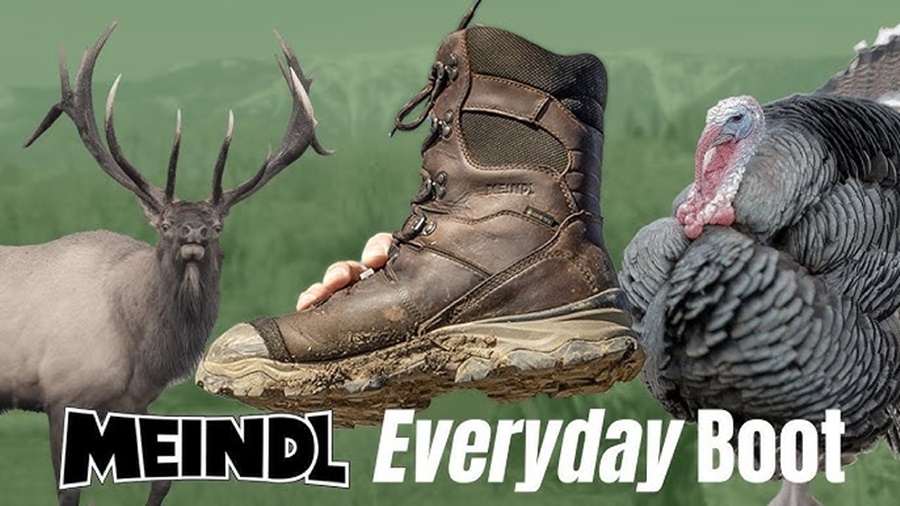
Choosing the right hunting boots can make or break a deer hunting trip. Whether you are sitting in a freezing tree stand before sunrise or hiking miles through wet ridges and thick timber, your boots directly affect your comfort, endurance, and ability to stay focused. One of the biggest decisions hunters face is whether to wear uninsulated boots or insulated boots.
Both options have advantages and disadvantages, and the right choice depends on weather conditions, terrain, hunting style, and personal tolerance to cold. Understanding the differences between these two boot types will help you stay comfortable and improve your overall hunting experience.
What Are Uninsulated Hunting Boots?
Uninsulated hunting boots are designed without thermal insulation materials inside the boot lining. Their main purpose is to provide protection, support, waterproofing, and durability without adding extra warmth.
These boots are typically lighter, more breathable, and better suited for active hunting situations where body heat naturally keeps your feet warm.
Key Features of Uninsulated Boots
- Lightweight construction
- Increased breathability
- Better moisture management
- Greater flexibility
- Reduced bulk
- Faster drying time
Most uninsulated hunting boots still include waterproof membranes to keep feet dry in wet conditions. However, they rely mainly on socks and physical activity for warmth rather than built-in insulation.
What Are Insulated Hunting Boots?
Insulated hunting boots contain layers of thermal insulation designed to trap heat and keep feet warm in cold environments. Manufacturers usually measure insulation in grams, such as 200g, 400g, 800g, or even 1200g.
The higher the insulation rating, the warmer the boot generally becomes.
Common Insulation Levels
200g Insulation
- Mild cold weather
- Active hunting
- Early morning hunts
400g Insulation
- Moderate cold
- Mixed hiking and sitting
800g Insulation
- Cold late-season conditions
- Long tree stand sessions
1200g+ Insulation
- Extreme winter temperatures
- Minimal movement
- Snow and ice environments
Insulated boots are ideal for hunters who spend long hours stationary in cold temperatures.
Main Differences Between Uninsulated and Insulated Boots
1. Warmth
The biggest difference is temperature protection.
Uninsulated Boots
These boots offer minimal warmth on their own. They depend heavily on:
- Wool socks
- Physical movement
- Proper circulation
They work best in:
- Early season deer hunting
- Mild climates
- Warm afternoons
- High-activity hunts
Insulated Boots
These boots retain heat and protect against freezing temperatures. They are preferred for:
- Late-season hunts
- Snowy conditions
- Tree stand hunting
- Long periods of sitting still
Hunters who remain motionless for hours usually benefit greatly from insulated boots.
2. Weight and Mobility
Uninsulated Boots
Because they lack insulation layers, these boots are lighter and less bulky. This makes them excellent for:
- Spot-and-stalk hunting
- Mountain hunting
- Long hikes
- Mobile hunting strategies
Lighter boots reduce fatigue over long distances and allow faster movement.
Insulated Boots
Insulated boots are heavier due to added materials. While modern technology has reduced bulk, they still tend to feel larger and stiffer than uninsulated versions.
For hunters covering many miles, heavy insulation can become tiring.
3. Breathability
Uninsulated Boots
These boots allow more airflow and release moisture more effectively. Sweaty feet can quickly become uncomfortable during active hunts, so breathability is a major advantage.
Better ventilation helps:
- Reduce sweating
- Prevent blisters
- Improve comfort
- Keep feet drier
Insulated Boots
Insulated boots trap warmth, but they also trap moisture more easily. During high activity, feet may overheat and sweat excessively.
Wet feet can eventually become colder than dry feet, especially in freezing temperatures.
4. Hunting Style Compatibility
Your hunting style plays a huge role in determining the best boot choice.
Best Uses for Uninsulated Boots
Mobile Hunters
Hunters who constantly move, scout, or stalk deer generate body heat naturally.
Early Season Hunting
Warm weather conditions usually do not require heavy insulation.
Bow Hunting in Mild Weather
Archery seasons often begin before temperatures drop significantly.
Mountain or Backcountry Hunting
Reduced weight becomes extremely important during steep climbs and long hikes.
Best Uses for Insulated Boots
Tree Stand Hunting
Sitting motionless allows feet to cool rapidly. Insulation helps maintain warmth.
Late-Season Deer Hunting
Cold temperatures and snow demand thermal protection.
Ground Blind Hunting
Limited movement inside blinds can lead to cold feet quickly.
Cold Northern Climates
Hunters in freezing regions usually need insulation throughout much of the season.
5. Temperature Considerations
There is no universal temperature range because everyone handles cold differently, but general guidelines can help.
Recommended Conditions for Uninsulated Boots
- 40°F to 70°F (4°C to 21°C)
- Active movement
- Dry conditions
Recommended Conditions for Insulated Boots
200g–400g
- 25°F to 50°F (-4°C to 10°C)
600g–800g
- 10°F to 30°F (-12°C to -1°C)
1000g+
- Below 10°F (-12°C)
- Snow and extreme winter weather
Personal cold tolerance matters greatly. Some hunters wear uninsulated boots in cool weather comfortably, while others need insulation earlier.
6. Sock Selection Matters
Socks are just as important as the boots themselves.
Best Socks for Uninsulated Boots
- Merino wool socks
- Moisture-wicking liners
- Layered sock systems
Best Socks for Insulated Boots
Avoid overly thick socks that restrict circulation. Tight boots reduce blood flow and actually make feet colder.
Good circulation is essential for warmth.
Advantages of Uninsulated Boots
Better Mobility
Lightweight design improves agility and endurance.
More Versatile
Useful across multiple seasons and weather conditions.
Less Sweating
Better airflow keeps feet drier during active movement.
Faster Break-In
Many uninsulated boots become comfortable more quickly.
Easier to Use in Warm Weather
Ideal for early fall deer seasons.
Disadvantages of Uninsulated Boots
Poor Cold Protection
Feet can become cold quickly during stationary hunts.
Less Suitable for Snow
Cold ground temperatures transfer easily through the boot.
Dependence on Movement
Warmth relies heavily on physical activity.
Advantages of Insulated Boots
Superior Warmth
Excellent for freezing temperatures.
Better Comfort During Long Sits
Perfect for stand hunters and blind hunters.
Improved Winter Protection
Handles snow, ice, and harsh conditions well.
Reduced Risk of Cold-Related Problems
Helps prevent numbness and discomfort.
Disadvantages of Insulated Boots
Heavier Weight
Can increase fatigue during long walks.
Reduced Breathability
Feet may sweat excessively during active hunts.
Too Warm in Mild Weather
Overheating can become uncomfortable.
Longer Drying Time
Thicker materials retain moisture longer.
Which Type Is Better for Deer Hunting?
There is no single “best” option for every hunter.
Choose Uninsulated Boots If:
- You hunt early season deer
- You walk long distances
- You spot-and-stalk hunt
- You hunt in mild climates
- You prefer lightweight gear
Choose Insulated Boots If:
- You hunt in freezing temperatures
- You sit in tree stands for hours
- You hunt late season
- You experience snow and ice
- Your feet get cold easily
Many experienced hunters actually own both types and switch depending on conditions.
Can You Use One Pair for Everything?
Some hunters try to use a middle-ground option like 400g insulated boots for all conditions. While this can work in moderate climates, it rarely performs perfectly across all seasons.
Too much insulation causes overheating early in the season, while too little insulation can make winter hunts miserable.
If you hunt frequently across varying temperatures, owning both uninsulated and insulated boots is often the best long-term solution.
Important Features to Look for in Deer Hunting Boots
Regardless of insulation level, quality hunting boots should include:
Waterproof Construction
Wet feet quickly become cold and uncomfortable.
Good Traction
Reliable grip is essential on mud, leaves, snow, and rocky terrain.
Ankle Support
Proper support helps prevent injuries during rough hikes.
Quiet Materials
Soft, quiet materials reduce noise while stalking deer.
Durable Outsoles
High-quality soles improve longevity and traction.
Conclusion
The choice between uninsulated and insulated boots for deer hunting depends mainly on temperature, activity level, and hunting style.
Uninsulated boots excel in mobility, breathability, and comfort during active hunts in mild weather. Insulated boots dominate in cold conditions where staying warm becomes critical, especially during long periods of sitting still.
The best deer hunters match their footwear to the conditions rather than relying on a one-size-fits-all approach. By understanding how insulation affects warmth, moisture, and mobility, you can choose boots that keep your feet comfortable and help you stay focused throughout the hunt.