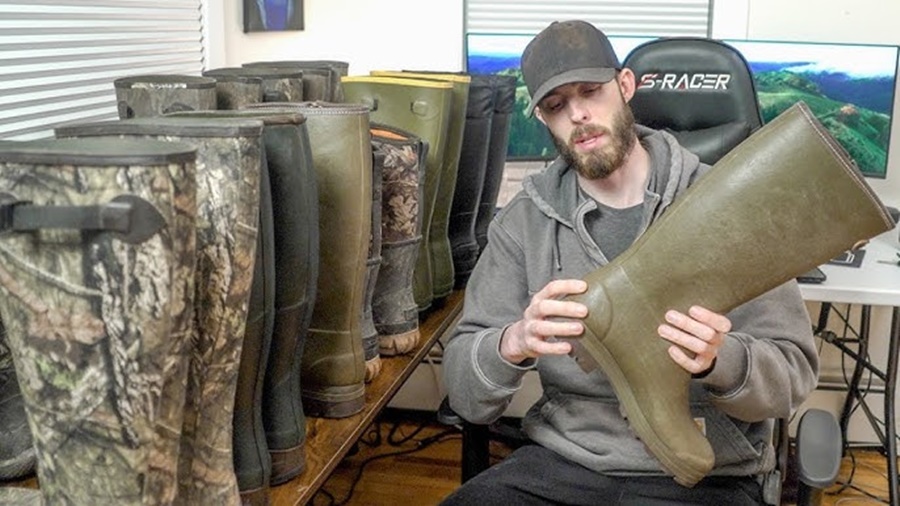
Choosing the right hunting boots can determine whether your trip feels comfortable and successful or miserable and exhausting. Among the most debated options are waterproof hunting boots and breathable hunting boots. Both styles serve important purposes, but the best choice depends on your hunting environment, weather conditions, terrain, and personal comfort preferences.
Some hunters prioritize dry feet at all costs, while others focus on airflow and moisture management during long hikes. Understanding the strengths and weaknesses of each type can help you select the perfect pair for your next hunt.
Understanding Waterproof Hunting Boots
Waterproof hunting boots are designed to prevent water from entering the boot. Manufacturers usually achieve this using waterproof membranes such as Gore-Tex or proprietary waterproof liners combined with treated leather or synthetic materials.
These boots are ideal for wet environments where hunters frequently encounter rain, snow, mud, marshes, shallow streams, or dew-covered vegetation.
Advantages of Waterproof Hunting Boots
1. Keeps Feet Dry in Wet Conditions
The biggest benefit of waterproof boots is obvious: they keep water out. Dry feet are essential during cold-weather hunts because moisture can quickly lead to discomfort and even dangerous conditions like frostbite.
Hunters walking through wetlands, crossing creeks, or sitting in snow for hours benefit greatly from waterproof protection.
2. Better Insulation in Cold Weather
Waterproof boots often include thicker materials and insulation, making them excellent for late-season hunts and winter environments. Since moisture is blocked from entering, body heat stays trapped more effectively.
This helps maintain warmth during long stationary periods in tree stands or blinds.
3. Protection Against Mud and Snow
Wet mud and melting snow can soak ordinary boots quickly. Waterproof models create a barrier that prevents slush and mud from seeping into socks and causing irritation or blisters.
4. Increased Durability
Many waterproof hunting boots use rugged construction with reinforced stitching, rubber outsoles, and heavy-duty materials. This often results in longer-lasting footwear capable of handling rough terrain.
Disadvantages of Waterproof Hunting Boots
1. Reduced Breathability
Even though modern waterproof membranes allow some airflow, they are generally less breathable than non-waterproof boots. Sweat generated during long hikes may become trapped inside.
This can leave feet damp from perspiration rather than external moisture.
2. Heavier Weight
Waterproof boots are usually heavier due to added layers, insulation, and protective materials. The extra weight may lead to fatigue during long-distance hunts.
3. Slower Drying Time
If water somehow gets inside the boot from the top opening, waterproof boots tend to dry slowly. This can become frustrating during multi-day hunting trips.
Understanding Breathable Hunting Boots
Breathable hunting boots focus on airflow and moisture evaporation. They are often made from lightweight synthetic fabrics, mesh panels, and thinner materials that allow heat and sweat to escape easily.
These boots are popular among hunters who travel long distances, hunt in warmer climates, or prioritize mobility and comfort.
Advantages of Breathable Hunting Boots
1. Superior Comfort During Long Walks
Breathable boots are generally lighter and more flexible. This reduces strain on the legs and feet during extended hikes through forests, mountains, or open terrain.
Hunters who cover many miles daily often appreciate the reduced fatigue.
2. Better Moisture Management
Sweaty feet can become a major problem during active hunts. Breathable boots allow moisture vapor to escape, helping keep feet cooler and drier from the inside.
This lowers the risk of blisters and hot spots.
3. Faster Drying
If breathable boots become wet, they typically dry much faster than waterproof alternatives. This makes them useful during warm-weather hunting trips where quick drying matters more than total waterproof protection.
4. Ideal for Warm Weather
Early-season hunts in hot temperatures can become unbearable with insulated waterproof boots. Breathable footwear helps regulate temperature and prevents overheating.
Disadvantages of Breathable Hunting Boots
1. Limited Water Protection
Breathable boots cannot fully protect against puddles, heavy rain, or stream crossings. Wet feet may become unavoidable in damp environments.
2. Less Warmth in Cold Conditions
Because breathable boots prioritize airflow, they usually provide less insulation. Hunters in snowy or freezing environments may struggle to maintain warmth.
3. Reduced Protection in Harsh Terrain
Some lightweight breathable boots sacrifice durability and ankle support for comfort and reduced weight. Rocky or rugged landscapes may demand more supportive footwear.
Key Differences Between Waterproof and Breathable Hunting Boots
| Feature | Waterproof Boots | Breathable Boots |
|---|---|---|
| Water Resistance | Excellent | Limited |
| Airflow | Moderate to low | Excellent |
| Weight | Heavier | Lighter |
| Warmth | Better in cold weather | Better in warm weather |
| Drying Speed | Slower | Faster |
| Best Terrain | Wet, snowy, muddy | Dry, hot, rugged |
| Comfort for Long Hikes | Moderate | High |
Best Situations for Waterproof Hunting Boots
Waterproof hunting boots perform best in:
- Rainy climates
- Snowy conditions
- Marshes and swamps
- Waterfowl hunting
- Late-season deer hunting
- Cold-weather environments
- Muddy trails
Hunters sitting still for long periods also benefit from the insulation and protection waterproof boots provide.
Best Situations for Breathable Hunting Boots
Breathable hunting boots are better suited for:
- Early-season hunts
- Dry mountain terrain
- Warm climates
- Spot-and-stalk hunting
- Long-distance hiking
- Active hunting styles
- Desert or semi-arid environments
These boots excel when movement and ventilation matter most.
Can You Have Both Waterproof and Breathable Features?
Modern boot manufacturers attempt to combine waterproofing with breathability using advanced membranes and moisture-wicking liners. While some premium boots achieve a reasonable balance, no boot perfectly maximizes both features simultaneously.
The more waterproof a boot becomes, the more airflow is typically restricted.
Hunters who encounter mixed conditions may prefer hybrid boots offering moderate waterproofing with improved ventilation.
Factors to Consider Before Buying Hunting Boots
Climate
Your hunting region matters significantly. Wet northern forests require different footwear than dry western mountains.
Hunting Style
Stationary hunters usually prioritize warmth and waterproofing. Mobile hunters often value lightweight breathable comfort.
Terrain
Rocky terrain may require strong ankle support and durable soles, while flat wooded areas may allow lighter designs.
Duration of Hunt
Long multi-day hunts increase the importance of comfort, moisture management, and drying speed.
Sock Selection
Even the best boots perform poorly with low-quality socks. Moisture-wicking merino wool socks can improve comfort in both waterproof and breathable boots.
Which Type of Hunting Boot Is Better?
There is no universal winner between waterproof and breathable hunting boots. The best option depends entirely on your hunting conditions and priorities.
Choose waterproof hunting boots if:
- You hunt in wet or snowy environments
- Staying dry is your top concern
- You hunt in cold weather
- You spend hours sitting still
Choose breathable hunting boots if:
- You hunt in warm climates
- You hike long distances
- You prioritize lightweight comfort
- Your hunts involve constant movement
Many experienced hunters eventually own both types and switch depending on the season and terrain.
Conclusion
The debate between waterproof hunting boots and breathable hunting boots comes down to balancing protection, comfort, and performance. Waterproof boots dominate in wet and cold conditions, while breathable boots excel during active hunts in warmer environments.
Before purchasing, carefully evaluate where and how you hunt most often. Investing in boots suited to your specific conditions will improve comfort, endurance, and overall hunting success.
A quality pair of hunting boots is not just footwear it is essential gear that can directly affect your experience in the field.