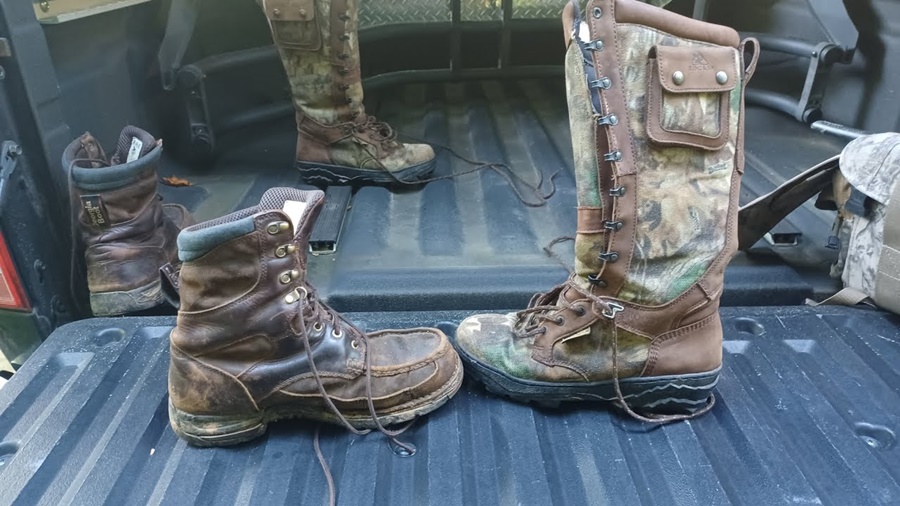
Snake proof boots are essential for hunters in snake-infested areas, as they provide critical protection against venomous bites through reinforced materials and high-traction soles. Unlike regular hunting boots, which lack this specialized safety feature, snake proof options ensure both comfort and durability in diverse terrains, making them the top recommendation for outdoor enthusiasts facing heightened risks.
Although both are designed for outdoor use, they serve different purposes. Snake proof boots prioritize protection against venomous snake bites, while regular hunting boots focus more on comfort, insulation, support, and versatility. Understanding the differences between these two categories can help hunters make smarter choices for different environments and hunting seasons.
What Are Snake Proof Boots?
Snake proof boots are specialized hunting boots designed to prevent snake fangs from penetrating the boot material and reaching the wearer’s skin. These boots are commonly used in regions where venomous snakes such as rattlesnakes, copperheads, cottonmouths, or coral snakes are common.
Most snake proof boots extend higher up the leg than standard hunting boots, usually reaching just below the knee. They are made with tightly woven synthetic fabrics, leather, rubber, or reinforced protective layers that can resist snake bites.
Key Features of Snake Proof Boots
- Tall shaft design for lower leg protection
- Thick puncture-resistant materials
- Waterproof or water-resistant construction
- Aggressive outsoles for rough terrain
- Durable stitching and reinforced panels
Hunters in warm southern climates, swamps, grasslands, and heavily wooded areas often prefer snake proof boots during snake season.
What Are Regular Hunting Boots?
Regular hunting boots are general-purpose outdoor boots built for hiking, stalking game, and enduring different weather conditions. Unlike snake proof boots, they are not specifically designed to stop snake bites.
These boots come in many varieties depending on the hunting style and climate. Some are lightweight for early season hunts, while others are heavily insulated for winter conditions.
Common Features of Regular Hunting Boots
- Comfortable fit for long-distance walking
- Various insulation levels
- Waterproof membranes
- Lightweight construction options
- Ankle support and traction
Regular hunting boots are popular because they are versatile, comfortable, and suitable for many hunting environments.
Major Differences Between Snake Proof Boots and Regular Hunting Boots
1. Protection Level
The biggest difference is protection.
Snake proof boots are engineered specifically to guard against snake bites. Their reinforced materials help prevent fangs from piercing through the boot and into the leg.
Regular hunting boots offer basic protection against mud, rocks, sticks, and weather but usually cannot stop venomous snake bites.
Winner for Safety: Snake Proof Boots
If you hunt in areas with dangerous snakes, snake proof boots provide a major safety advantage.
2. Boot Height
Snake proof boots are generally much taller than regular hunting boots.
- Snake proof boots: Often 16–18 inches tall
- Regular hunting boots: Usually 6–10 inches tall
The additional height protects the calf area, where snakes commonly strike.
Winner for Coverage: Snake Proof Boots
Higher coverage means better protection in tall grass and dense brush.
3. Comfort and Flexibility
Regular hunting boots are typically more comfortable for all-day wear because they are lighter and more flexible.
Snake proof boots can feel stiff, especially during break-in periods. Their protective materials add weight and reduce flexibility.
Winner for Comfort: Regular Hunting Boots
Hunters covering long distances often prefer regular boots for reduced fatigue.
4. Weight
Snake proof boots are generally heavier because of added protective layers.
This extra weight can become noticeable during long hikes or mountain hunts.
Regular hunting boots, especially lightweight models, are easier to move in and place less strain on the legs.
Winner for Lightweight Performance: Regular Hunting Boots
Weight matters when mobility and endurance are priorities.
5. Climate Suitability
Snake proof boots are commonly used in warm-weather regions where snakes are active.
However, their taller construction may trap more heat, making them less comfortable in extremely hot weather.
Regular hunting boots come in many insulation options, making them better suited for cold climates and winter hunting.
Winner for Versatility: Regular Hunting Boots
They adapt better to a wider range of temperatures and hunting conditions.
6. Waterproof Performance
Both types can offer waterproof features, but performance varies by brand and construction.
Many snake proof boots are designed for marshes, swamps, and wet terrain, so waterproofing is often a strong feature.
Regular hunting boots also include waterproof membranes, but lightweight models may sacrifice water resistance for breathability.
Tie: Depends on the Model
Both categories include excellent waterproof options.
7. Durability
Snake proof boots are often built with heavy-duty materials for rugged environments. This can improve durability in thorny or rocky terrain.
Regular hunting boots vary widely in quality. Premium models can be extremely durable, while budget versions may wear out faster.
Slight Edge: Snake Proof Boots
Their reinforced construction often holds up better under harsh conditions.
8. Price
Snake proof boots are usually more expensive because of specialized protective materials and taller designs.
Regular hunting boots are available at nearly every price point, from affordable entry-level models to premium high-performance footwear.
Winner for Affordability: Regular Hunting Boots
Hunters on a budget often choose regular hunting boots unless snake protection is necessary.
When Should You Choose Snake Proof Boots?
Snake proof boots are ideal if:
- You hunt in snake-heavy regions
- You walk through tall grass or swamps
- You hunt in the southern United States
- You frequently encounter venomous wildlife
- Safety is your top concern
They are especially valuable for turkey hunting, hog hunting, upland bird hunting, and scouting during warmer months.
When Should You Choose Regular Hunting Boots?
Regular hunting boots are better if:
- You hunt in colder climates
- You prioritize comfort and mobility
- You hike long distances
- You hunt in mountainous terrain
- Venomous snakes are uncommon in your area
They are often preferred for deer hunting, elk hunting, and late-season hunts where insulation and comfort matter more than snake protection.
Pros and Cons of Snake Proof Boots
Pros
- Excellent snake bite protection
- Better lower leg coverage
- Durable construction
- Good for dense vegetation
- Often waterproof
Cons
- Heavier than regular boots
- Less flexible
- Can become hot in warm climates
- More expensive
- Longer break-in period
Pros and Cons of Regular Hunting Boots
Pros
- More comfortable
- Lightweight options available
- Better flexibility
- Suitable for many climates
- More affordable choices
Cons
- Little or no snake bite protection
- Shorter height
- Less lower leg coverage
- Some models lack rugged durability
Are Snake Proof Boots Completely Snake Bite Proof?
No boot can guarantee 100% protection against every snake strike. However, quality snake proof boots significantly reduce the chance of fang penetration.
Hunters should still remain cautious in snake territory by:
- Watching where they step
- Avoiding tall grass when possible
- Using trekking poles or sticks
- Staying alert around rocks and logs
Snake proof boots are an important layer of defense, not a replacement for awareness.
Can You Wear Snake Proof Boots for Regular Hiking?
Yes, but they may not be ideal for every hiking situation.
Because snake proof boots are heavier and taller, they can feel less comfortable during long recreational hikes. However, many people use them successfully for outdoor work, scouting, fishing, and trail walking in snake-prone regions.
Conclusion
Choosing between snake proof boots and regular hunting boots depends mainly on where and how you hunt.
If venomous snakes are a real concern in your hunting area, snake proof boots offer valuable protection and peace of mind. They are especially useful in warm climates, thick vegetation, and wet environments where snakes are common.
On the other hand, regular hunting boots are lighter, more comfortable, and more versatile for general hunting conditions. They excel in colder climates, mountainous terrain, and situations where mobility matters most.
For many hunters, the best solution is owning both types of boots and choosing the right pair based on the environment and season.
Ultimately, the right hunting boot is the one that keeps you safe, comfortable, and prepared for the terrain ahead.