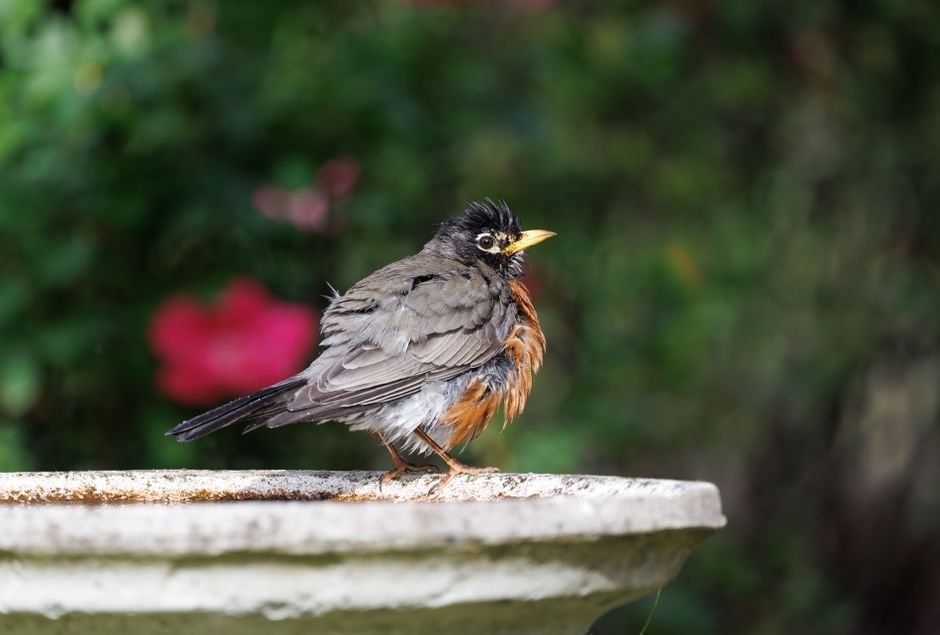
Algae growth in your bird bath can happen in just a few days, making it unsuitable for birds to drink or bathe. This issue often arises from factors like stagnant water and excessive sunlight. Understanding these causes is key to keeping your bird bath clean and welcoming for wildlife.
Algae thrive in warm, sunny conditions, particularly if the water isn’t circulated. In fact, even a small amount of organic matter like leaves or bird droppings can create the perfect environment for algae to flourish. By understanding how these elements contribute to algae growth, you can take proactive steps to keep your bird bath clean and fresh.
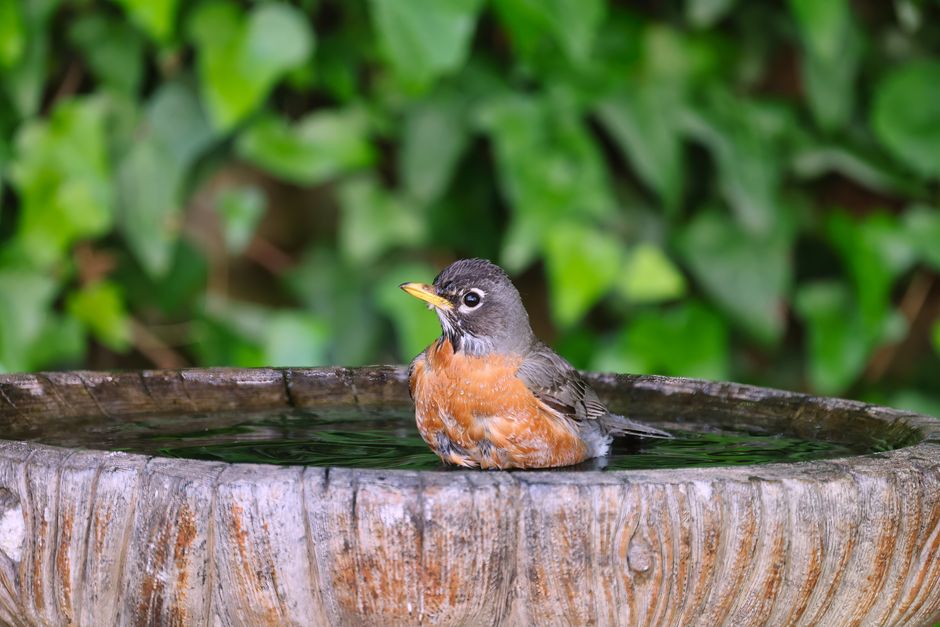
Key Reasons for Algae Growth in Bird Baths
The most significant reason behind algae in my bird bath was the stillness of the water. Stagnant water becomes a breeding ground for algae quickly, as it lacks circulation. When I had my bird bath filled and forgot to change the water every few days, I noticed that it would turn green and slimy within a week.
It’s crucial to refresh the water regularly, ideally every couple of days, to prevent this from happening.
Sunlight also plays a critical role. Placing your bird bath in a shady spot can help minimize algae growth since direct sunlight promotes rapid aquatic plant growth. I found that moving mine under a tree or an awning significantly reduced the algae issue. While it’s a great idea to provide a bathing spot for birds, keeping the conditions less favorable for algae is essential.
The Impact of Algae on Birds and Wildlife
Algae in your bird bath isn’t just unattractive; it can also pose health risks to birds. When they clean themselves or drink from contaminated water, they can ingest harmful bacteria found in algae. I’ve witnessed a decline in bird activity at my bath when it became algae-laden. Birds prefer clean environments where they can safely hydrate and bathe.
Furthermore, untreated bird baths can become inhospitable to wildlife over time. If you have the right setup and pay attention to maintenance, you’ll likely see a vibrant array of birds flocking to your bath. I recommend monitoring the bath and being proactive. Simple weekly maintenance can tip the balance from stagnant sludge to a welcoming oasis.

Effective Bird Bath Maintenance to Prevent Algae
To combat algae effectively, I started implementing a maintenance routine. This involves changing the water at least twice a week and cleaning the bath thoroughly every month. Using a scrub brush helps remove algae and any mineral deposits that may accumulate over time. For stubborn algae, consider using an outdoor algae remover that is safe for birds.
If you’re looking for additional measures, think about adding a fountain feature to your bird bath. Not only does running water attract birds more effectively, but the movement also discourages algae growth. I’ve found that creating a slight current transforms my bird bath into a lively hub for feathered friends. Additionally, if you’re wondering why does my bird bath have algae, understanding environmental factors can be key.
Conclusion: Take Control of Your Bird Bath Environment
To effectively combat algae, regularly replace the water and place the bath in a shaded area. Using a fountain or water agitator can further enhance its appeal to birds while preventing stagnation.
Frequently Asked Questions
Why does algae grow in bird baths?
Algae grows in bird baths primarily due to warm temperatures, sunlight, and the presence of nutrients like organic debris. Stagnant water also promotes algae growth, making it essential to keep bird baths clean and refreshed.
How can I clean algae from my bird bath?
To clean algae from your bird bath, empty it and scrub the surfaces with a mixture of water and white vinegar, or a scrub brush. Rinse thoroughly to remove any residue before refilling with fresh water.
Can algae harm birds in bird baths?
Yes, certain types of algae can be harmful to birds as they may produce toxins that can cause illness or death. It's essential to monitor and maintain a clean bird bath to ensure bird safety.
What prevents algae in bird baths naturally?
To prevent algae growth naturally, keep the bird bath in a shaded area to limit sunlight exposure and refresh the water frequently. Adding aquatic plants or using mosquito dunks can also help control algae.
Is it safe to use bleach in a bird bath?
No, it is not safe to use bleach in a bird bath as it can leave harmful residues that may poison birds. Instead, opt for safer cleaning alternatives like vinegar or baking soda.