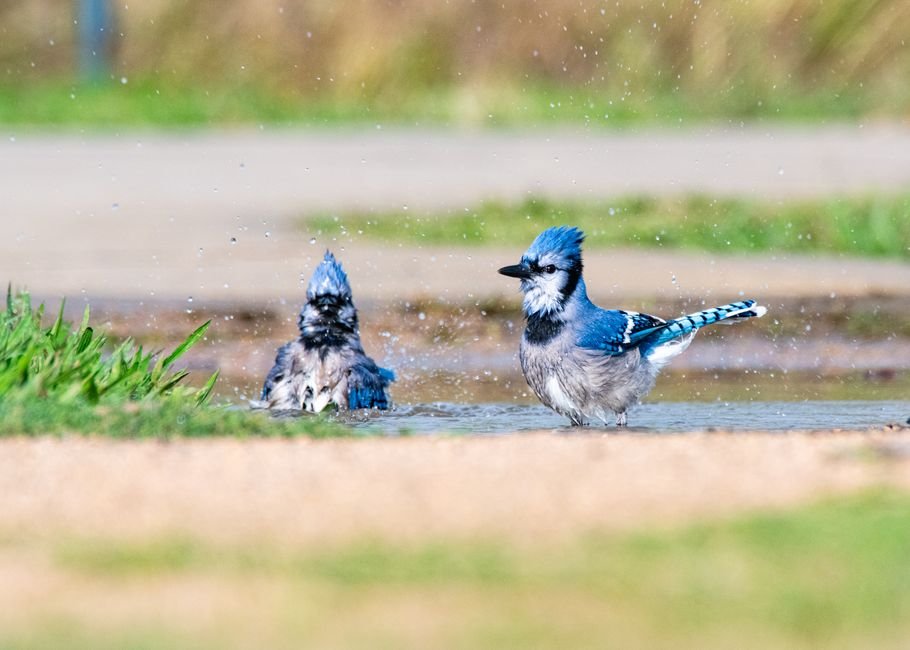
About 40% of bird bath owners deal with leaks that make this feature ineffective. Watching water drain away can be frustrating, especially when it limits access for local birds. Thankfully, addressing a leaky bird bath is manageable with the right method and materials.
I’ve learned that the key to effectively addressing a leak lies in a clear understanding of its source. In this guide, I’ll walk you through the steps to pinpoint the problem, gather necessary materials, and apply repairs that last, all while sharing valuable insights from my experiences in outdoor maintenance.
Identifying the Source of the Leak
The first step in fixing a leaking bird bath is to locate the leak’s origin. This may seem straightforward, but leaks can often be tricky to spot. Start by filling the bird bath to the brim and observing where the water level drops. Look for wet patches on the ground around the base, which can indicate a crack rather than just evaporation.
Common spots for leaks include the basin’s bottom or any areas where parts join. Pay close attention to chips and cracks; even the smallest fractures can lead to significant water loss. If your bird bath is made of concrete or ceramic, these materials can develop hairline fractures that are hard to see. A thorough examination should reveal any visible defects.
Materials Needed for Bird Bath Repair
Once you’ve identified the leak, gather your repair materials. Here’s a quick list of what you’ll need:
- Waterproof sealant
- Cleansing agent or vinegar for cleaning
- Sandpaper or a wire brush
- Putty knife or caulk gun
- Rubber gloves
Waterproof sealants are essential. A high-quality product designed specifically for outdoor use will ensure durability against the elements. Avoid using traditional caulk or adhesive that isn’t meant for porous materials; they won’t hold up in wet conditions. You want something that can handle the constant exposure to water.
Repairing the Leak
With your materials in hand, it’s time to tackle the repair. Begin by cleaning the affected area thoroughly. Remove any dirt, algae, or debris using a mixture of vinegar and water or a strong cleaning agent. This preparation step is vital; if dirt is trapped under the sealant, it won’t adhere properly.
Next, if you find a crack, use sandpaper or a wire brush to smooth the edges around the leak. This enhances the adhesion of the sealant. Then, apply the waterproof sealant generously along the crack. Use a putty knife or caulk gun to ensure a neat application that fills all crevices.
Allow the sealant to cure according to the manufacturer’s instructions, typically, this means not adding water for at least 24 hours.
Leak Prevention Tips
Having a leaking bird bath repaired is a step in the right direction, but ongoing maintenance is essential to prevent future leaks. Regularly inspect your bird bath for cracks or signs of wear and tear, particularly after harsh weather. To keep your bird bath in prime condition, consider these points:
- Ensure proper drainage to prevent water from pooling. A properly leveled base will help.
- Cleansing regularly to avoid mineral buildup. This can weaken the material over time.
- Choose a bird bath known for durability based on feedback from others. Some materials, like resin or glass, tend to hold up better against elements.
Finally, placing your bird bath in a shaded area can help prevent rapid evaporation and algae growth, ensuring it remains a welcoming spot for birds. For more regular cleanings, consider following the maintenance tips provided.
Conclusion: Keep Those Birds Happy
For the best results, use a high-quality waterproof sealant, which is suitable for most common materials like concrete or ceramic. If you're not confident in DIY repairs, consider hiring a local handyman to ensure it's done right. This investment will create an essential water source that supports your local bird population.
Frequently Asked Questions
What causes a bird bath to leak?
A bird bath can leak due to cracks or damage in its material, weathering, or poor construction. Additionally, the presence of loose fittings can also contribute to water loss.
Can you use silicone on a bird bath?
Yes, silicone is a suitable adhesive for repairing leaks in a bird bath, as it provides a waterproof seal. However, it's important to choose a product that is safe for outdoor use and does not contain harmful substances for birds.
How do you seal a concrete bird bath?
To seal a concrete bird bath, clean the surface thoroughly to remove any dirt or algae, allowing it to dry completely. Then, apply a waterproof sealant specifically designed for concrete, making sure to cover all cracks and joints.
Is waterproof sealant safe for birds?
Not all waterproof sealants are safe for birds; it's crucial to select a sealant labeled as non-toxic or safe once cured. Always check the manufacturer's information for any safety concerns related to wildlife.
Why is my bird bath losing water?
Your bird bath might be losing water due to evaporation, leaks from cracks, or an improper water level. Additionally, birds splashing and bathing can cause some water loss, but if the water level decreases significantly, checking for leaks is recommended.