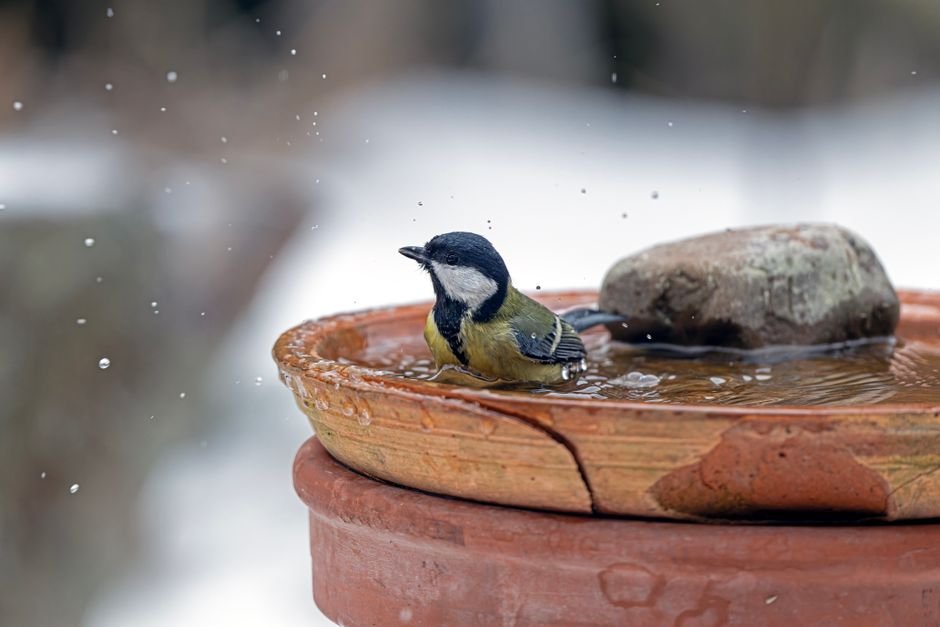
Winter temperatures can drop to below freezing, making it crucial to maintain bird baths for wildlife. Without proper care, these vital water sources can become inaccessible, leaving birds in need without a reliable supply. Taking the time to ensure your bird bath is functional can greatly support local birds during harsh conditions.
In my experience, skipping winter maintenance leads to a lack of visitors to your garden and potentially harms the birds that rely on your bird bath for hydration. Here’s how you can keep your bird bath operational and inviting for feathered friends all winter long.
Why Winter Maintenance is Crucial for Bird Baths
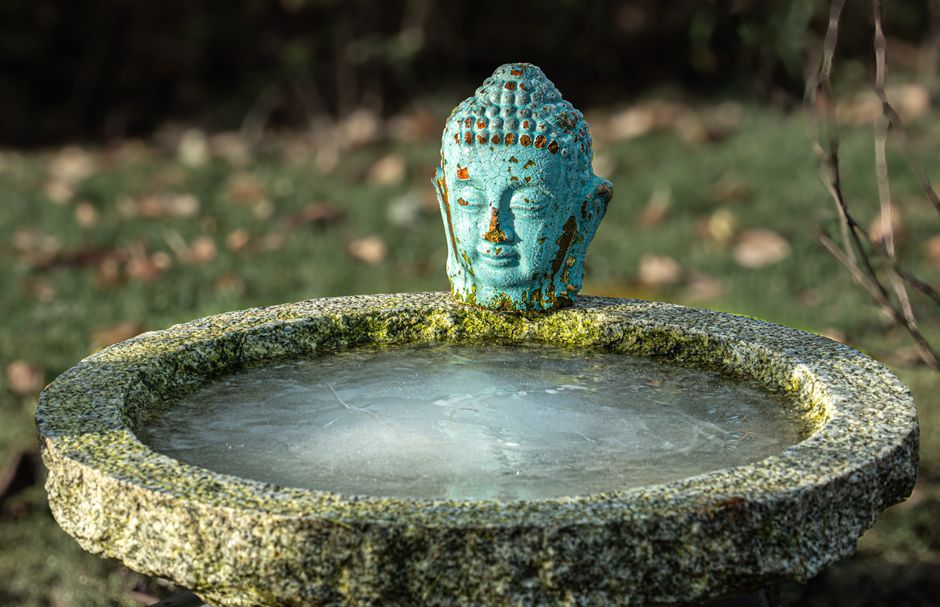
The primary challenge of bird baths in winter is freeze prevention. Water freezes at 32°F (0°C), and many birds need water year-round. Without proper maintenance, ice can form, making it impossible for birds to drink or bathe. Additionally, when you leave your bird bath unattended, it can become a breeding ground for harmful bacteria, which can hurt the birds.
Even in the colder months, a clean water source is critical for bird health.
Furthermore, many species rely on your bird bath, especially during winter when foraging becomes more challenging. In fact, birds often lose a significant amount of energy trying to melt snow for water, so having an accessible water source can be a lifesaver. I’ve seen a visible difference in the variety of birds visiting when I properly maintain my bird bath.
Steps to Prepare Your Bird Bath for Winter
First, choose a quality bird bath that suits winter maintenance needs. Heated bird baths are fantastic because they prevent water from freezing while also attracting birds that may otherwise avoid your garden. If you opt for a traditional style, make sure you clean it thoroughly and remove algae; a dirty bath won’t attract birds.
After cleaning, think about placement. Position your bird bath in a sunny spot if possible; sunlight can help keep the water liquid for longer periods. Additionally, think about protecting your bird bath from harsh winds and heavy snowfall by placing it near shrubs or fences. I’ve found sheltered spots work best for keeping the water accessible.
Managing Water Levels and Temperature
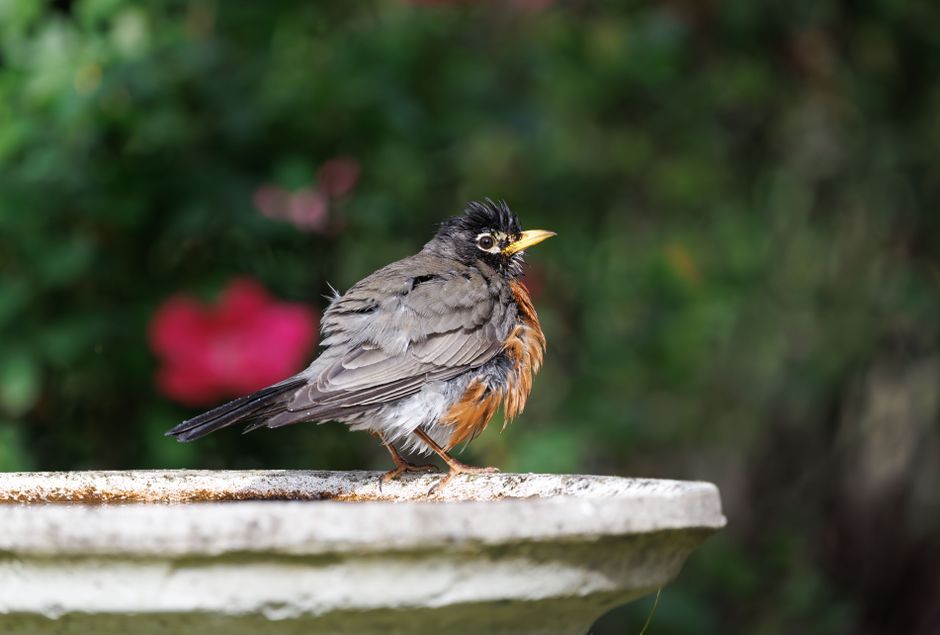
Monitoring water levels is crucial during the winter months. Water evaporates more slowly in the winter, but it may be necessary to top it off occasionally, especially if snow is blocking your bird bath. A good rule of thumb is to check it every few days.
If you’re regularly battling freezing temperatures, invest in a heated bird bath or a simple submersible heater; just be sure to follow the manufacturer’s safety instructions.
You might also want to add a bird bath heaterwhich can be useful for maintaining an open water source even in the coldest spells. However, if you decide to go this route, make sure the heater is specifically designed for bird baths. Incorrect use may cause burns or electrocution risks for the birds.
Common Mistakes to Avoid
One mistake people often make is leaving their bird bath empty during winter, assuming that birds won’t need it. That’s a significant oversight. Constantly clean and refill your bird bath with fresh water to attract birds and keep them hydrated. Also, don’t overlook the potential dangers of large ice formations.
Ice may seem harmless, but sharp edges can hurt birds trying to access the water beneath.
Another error is choosing the wrong materials. If you’re looking at cement or metal bird baths, keep in mind they can get quite cold. Instead, opt for plastic or resin materials that provide insulation. These materials tend to retain heat better and are less likely to break due to ice expansion.
Final Verdict: Stay Committed to Winter Care
For optimal water availability in winter, invest in a heated bird bathwhich is best for those who want consistent care for backyard birds. If a heated option isn't possible, regularly checking and cleaning a standard bird bath will still provide a necessary resource for wildlife. Your commitment is essential for attracting birds to your garden throughout the colder months. In this regard, proper bird bath maintenance during winter cannot be overstated.
Frequently Asked Questions
How do I stop my bird bath from freezing?
To stop your bird bath from freezing, consider using a bird bath heater or placing a heater coil in the water. Additionally, positioning the bath in a sheltered area away from direct winds can help reduce freezing.
What is the best bird bath heater?
The best bird bath heater is usually a submersible or floating heater that maintains a temperature above freezing without boiling the water. Look for models that are energy efficient and have built-in thermostats to operate only when necessary.
Can birds find water in winter?
In winter, birds may struggle to find open water sources, as most natural water bodies freeze. Providing a heated bird bath can be an invaluable resource for birds during colder months.
Why is my bird bath freezing over?
Your bird bath may be freezing over due to low temperatures and insufficient insulation or lack of movement in the water. In still water, the surface cools quickly, leading to ice formation.
Is it safe to add salt to a bird bath?
No, it is not safe to add salt to a bird bath, as salt can be harmful to birds. It can dehydrate them and affect their health, so it's best to avoid adding any substances that aren't specifically designed for aquatic wildlife.