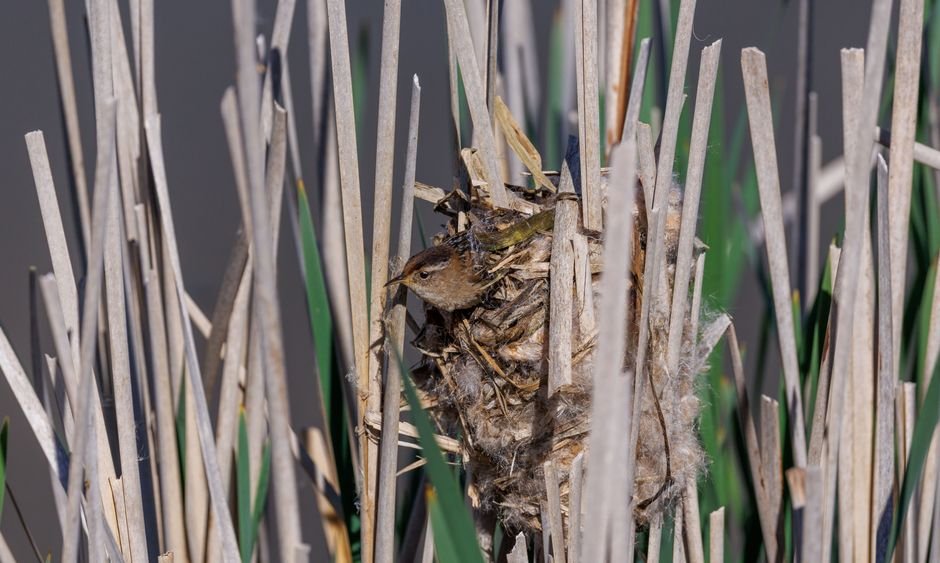
Studies show that nearly 70% of bird species rely on specific plants for nesting. The right vegetation in your yard is crucial, providing not only shelter but also materials that birds need to build their homes.
When I first started wildlife gardening, I underestimated the power of plants that provide nesting for birds. I quickly realized that not all plants will do the job, and some may even deter birds. This guide covers the most effective plants and dispels common misconceptions about creating natural habitats that attract birds.
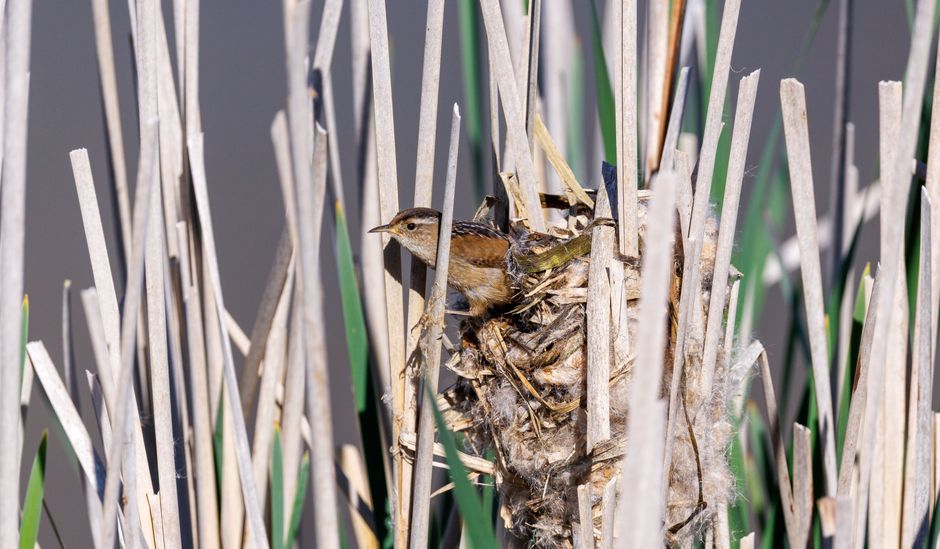
Gardening Mistakes That Drive Birds Away
Too often, people overlook how their gardening practices can negatively impact local bird populations. For instance, the excessive use of herbicides and pesticides can render a garden inhospitable. These chemicals not only harm insects, which many birds rely on for food, but they can also contaminate nesting materials.
Another common mistake is pruning too rigorously. Over-trimmed shrubs may fail to provide the cover birds need for nesting. Birds prefer dense foliage that shelters them from predators and the elements. Protecting existing natural habitats in your garden is just as important as planting new ones.
To truly engage with bird species, consider a more holistic approach to garden design for birds. Think about creating layers of vegetation that offer feeding, shelter, and nesting opportunities.
Essential Characteristics of Nesting Plants
A successful bird-nesting plant must offer specific qualities. Dense foliage provides safety and minimizes disturbance during nesting. Additionally, plants that naturally lose leaves in winter often give way to thicker underbrush that birds can utilize.
Nesting materials are another key consideration. Some plants produce fibers, grasses, or twigs that birds will collect to weave into their nests. When selecting plants, I always look for those offering these practical benefits.
Instead of focusing solely on blooming plants, make sure to incorporate evergreen species. Evergreens maintain their foliage year-round, providing consistent shelter and nesting space for birds throughout changing seasons.
Top Plants That Support Bird Nesting
Not all plants are equally effective at providing nesting support, so I’ve compiled a list of some of the best options based on what I’ve observed works well in various environments.
- Eastern Red Cedar: This tree offers dense branches and abundant cover. Its scale-like leaves are perfect for cup-nesting birds.
- Boxwood: With its thick structure, boxwood shrubs provide a sheltered area for birds to create their nests.
- Wild Grapevine: This climbing vine grows rapidly, creating a lush canopy. Birds find it suitable for nesting and feeding on its fruits.
- Native Grasses: Species like Little Bluestem and Switchgrass offer bedding materials birds can use in nest construction.
- Holly: Its thorny leaves deter predators, making it an appealing choice for nesting birds.
I found that native plants are incredibly successful in attracting birds because they evolved alongside local species. They supply natural food sources that are integral to the survival of the birds that might choose to nest in your garden.
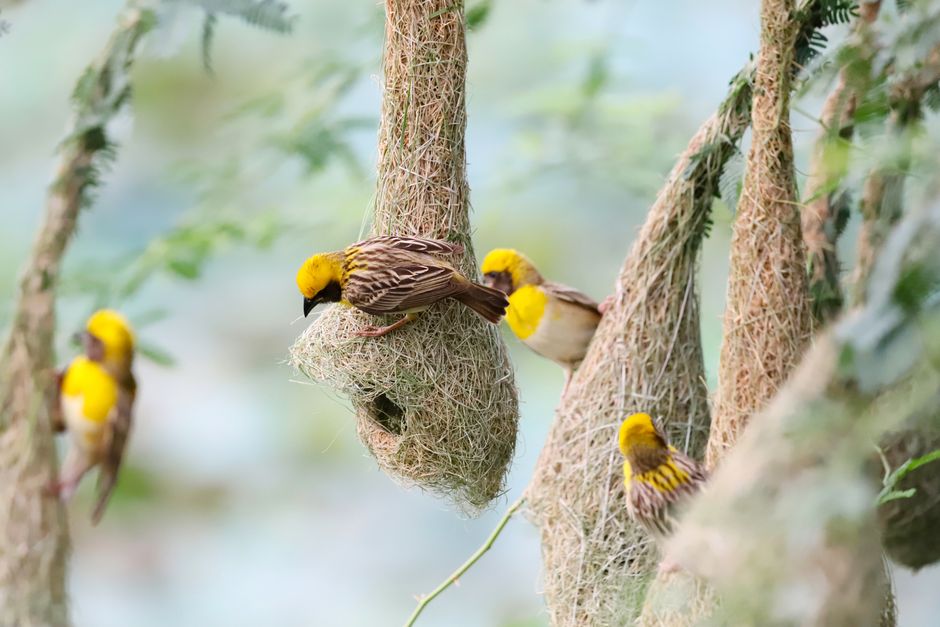
Creating the Right Environment for Bird Nests
Designing a bird-friendly garden isn’t just about the plants; it’s also about creating the right atmosphere. Start by ensuring your garden has a mix of open space and dense vegetation. Birds need areas to forage, along with sheltered spots to build their nests.
Another crucial step is the placement of birdhouses. If they’re present, make sure to position them away from direct sunlight and given adequate protection from heavy winds. Also, consider using natural building materials that blend in with your garden.
Even adding a water feature can enhance your garden’s attractiveness. Birds are drawn to water sources, which provide drinking opportunities and attract insects for feeding.
Common Misunderstandings About Nesting Plants
A significant misunderstanding people have is thinking that all flowering plants will attract birds. While flowers may attract pollinators, they often do not offer suitable nesting sites. You may have eye-catching blossoms, but if they fail to provide shelter and nesting materials, birds won’t benefit much.
Another common myth is that invasive plants are acceptable. Invasive species can crowd out native ones, diminishing local bird populations. I strongly recommend sticking with local flora to maintain a balanced ecosystem in your garden. Native species not only provide better nesting options but also support the insects that our feathered friends depend on.
As you plan your wildlife garden, resist the temptation to prioritize landscaping over ecosystem needs. Conserving biodiversity and focusing on bird-friendly practices will create a flourishing environment.
The Verdict: Transform Your Garden Into a Bird Haven
For the best results, include Eastern Red Cedar and native grasses, which offer both safety and resources for nesting. If you want to attract diverse bird species, prioritize these plants and avoid using invasive options that can disrupt the local ecosystem.
Our write-up on grow lights picks up where this leaves off.
See also our take on range where these birds.
Frequently Asked Questions
What plants do birds use for nesting?
Birds commonly use a variety of plants for nesting, including shrubs, trees, and grasses. Species such as willows, dogwoods, and conifers provide ideal structures and cover for nests.
How do plants help birds build nests?
Plants provide materials such as twigs, leaves, and grasses that birds use to construct their nests. Additionally, dense foliage offers camouflage and protection from predators.
Can certain plants attract specific bird species?
Yes, certain plants can attract specific bird species by offering the right food sources, nesting materials, and shelter. For example, berry-producing plants may attract fruit-eating birds like robins and waxwings.
What are the best shrubs for bird nesting?
Some of the best shrubs for bird nesting include elderberry, viburnum, and hawthorn. These shrubs provide dense cover and abundant berries, which are beneficial for both nesting and feeding.
Why is it important to plant for bird habitats?
Planting for bird habitats is crucial as it supports biodiversity and the ecological health of an area. It provides essential resources such as food, nesting sites, and shelter, which help sustain bird populations and promote ecosystem balance. For more information regarding plants that provide nesting for birds, visit this resource.