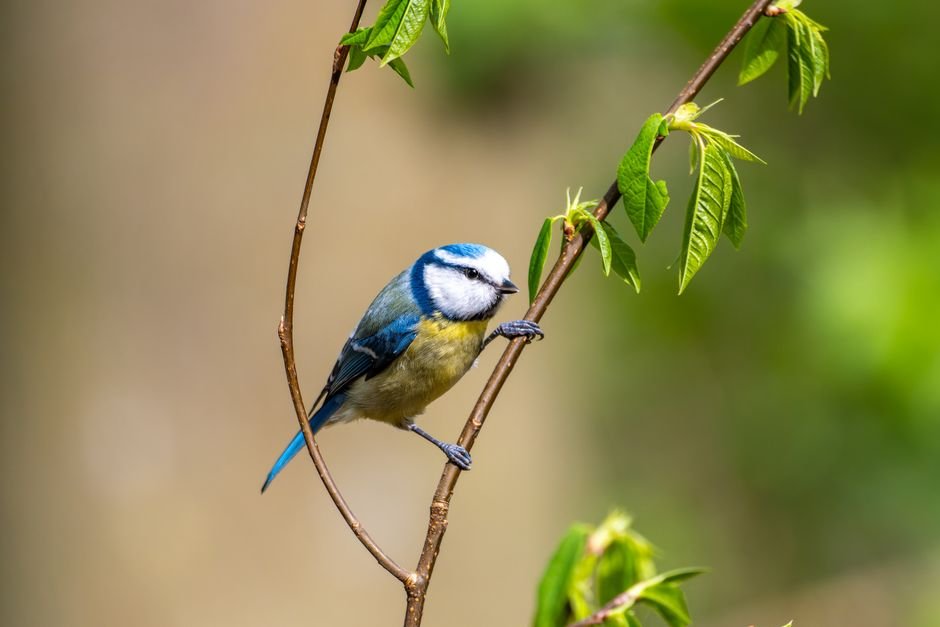
Over 50% of bird species rely on gardens for food and shelter, yet many gardens fail to attract them. Simply adding a few flowers or a bird feeder isn't enough; thoughtful planning is crucial. Here's how to create an inviting space for a variety of birds.
First, understanding that the choice of plants greatly influences which birds visit is essential. Birds are often drawn to native plants, which provide the right food and shelter for various species. By taking a closer look at your local environment, you’ll be able to select plants that not only survive but thrive in your area while offering crucial resources for birds.

Selecting the Right Plants for Birds
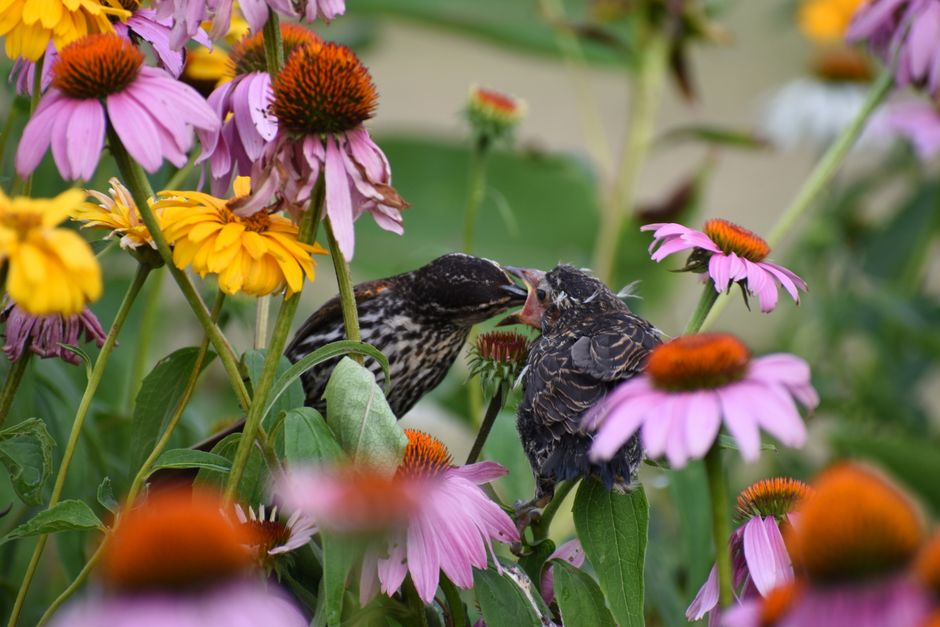
With many options available, concentrating on native plants should be your first move. Native plants encourage birds by providing food, shelter, and nesting materials. For instance, sunflowers and coneflowers attract seed-loving species, while berry-producing plants like serviceberry or elderberry are desirable for fruit-eating birds. Aim to include a range of heights and foliage types, creating layers that provide various habitats.
Don’t overlook the importance of having plants that bloom at different times throughout the seasons. This ensures food availability year-round. Also, consider the structure of your garden. Dense shrubbery provides excellent cover for birds, allowing them to hide from predators while foraging.
Enhancing with Bird Feeders
Adding bird feeders can significantly increase the chances of attracting different bird species. There are multiple feeder types tailored for various birds. For example, tube feeders work well for small birds like finches, while platform feeders can accommodate larger species such as doves and jays. Selecting high-quality feeders is crucial because they not only last longer but also can help prevent diseases with proper cleaning.
While I prefer a mix of feeders, I find that offering suet feeders is a game changer in winter. Suet provides essential calories for birds battling cold temperatures. Opt for feeders that are squirrel-proof if they’re a common issue in your area; I made the mistake of ignoring that and ended up feeding more squirrels than birds initially.
Creating Essential Features for a Wildlife-Friendly Garden
Birds require water just as much as food. Installing a birdbath is an effective way to attract birds to your garden. Make sure you keep the water fresh and clean; I learned early on that stagnant water can deter birds and even invite unwanted pests. Ideally, your birdbath should be no deeper than 2 inches to allow for safe bathing.
Besides food and water, ensure your garden includes places for birds to perch and nest. This can be achieved through birdhousesleft-over tree branches, or dense shrubs. Different bird species prefer different nesting materials. Consider leaving some natural elements like twigs or dry grasses readily accessible and try to avoid over-pruning your trees or shrubs in spring.
Common Mistakes to Avoid
While multiple guides suggest what to include in a bird-friendly garden, you’ll want to avoid certain mistakes that can hinder your efforts. A common issue is choosing non-native plants, which offer little food or shelter to local birds. Even decorative plants may not suit their needs.
Additionally, heavy use of pesticides can be detrimental, killing off the insects that many birds depend on as a food source.
Another oversight is neglecting to consider winter birds. You don’t want to create a garden that only attracts birds in summer. Including evergreens, for example, offers winter shelter and sustenance. Blending seasonal considerations in your planning can maximize the appeal to year-round visitors.
Final Recommendations for Your Bird-Friendly Garden
Establishing a bird-friendly garden is a rewarding endeavor that can transform your outdoor space into a hub of activity. I firmly recommend using a combination of native plants, strategic feeder placements, and various water sources. A little knowledge goes a long way in drawing in feathered friends.
In summary, the key components are careful plant selection, regular maintenance of feeders and baths, and creating diverse habitats. You’ll find that with time, patience, and the right strategies, your garden can become a lively space where birds thrive.
For additional tips, especially on water elements, check out my guide on how to attract birds to a bird bath and see how you can enhance your garden further.
Worth reading alongside this: clean garden.
For more, read about garden maintenance checklists reviewed.
Frequently Asked Questions
What plants do birds like best?
Birds are particularly attracted to native plants that provide seeds, berries, and nectar. Some favorites include sunflowers, coneflowers, and serviceberries, as they offer food and shelter.
How can I make my garden bird-friendly?
To make your garden bird-friendly, incorporate a variety of native plants, provide fresh water sources, and create nesting areas. Avoid pesticides and use natural gardening practices to ensure a safe environment for birds.
Why are native plants better for birds?
Native plants are better for birds because they are adapted to local ecosystems and provide the necessary food sources and habitat for native bird species. They often attract insects, which are essential for birds feeding their young.
Can bird feeders attract unwanted animals?
Yes, bird feeders can attract unwanted animals like squirrels, raccoons, and even rats if not maintained properly. It's important to use squirrel-proof feeders and clean up spilled seeds to minimize these issues.
How do I create a safe haven for birds?
To create a safe haven for birds, ensure there are dense shrubs and trees for cover, avoid using chemical pesticides, and provide accessible food and water sources. Additionally, maintain a clean environment to prevent disease and add birdhouses or nesting boxes for shelter.