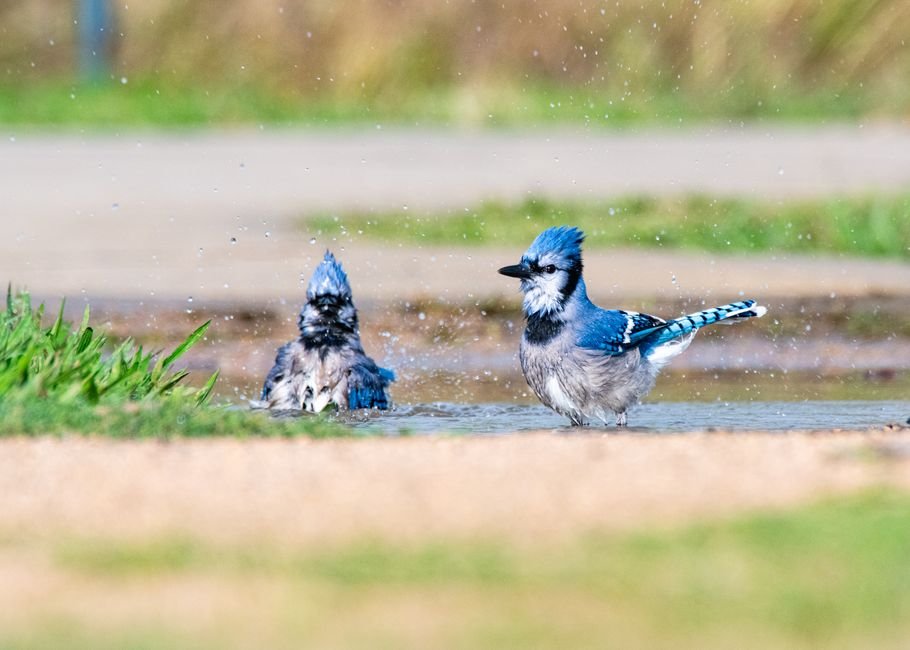
A bird bath can cost anywhere from $30 to over $200, but choosing the right one can significantly increase the number of birds visiting your yard. Consider the location, material, and depth of the bath to create an enticing environment for a range of local species.
The first mistake many make is not thinking carefully about the type, size, and materials of their bird bath. Not every bird bath will be suitable for your garden or the birds in your area. Understanding these factors will save you from wasting your time and money.
Consider the Size and Depth
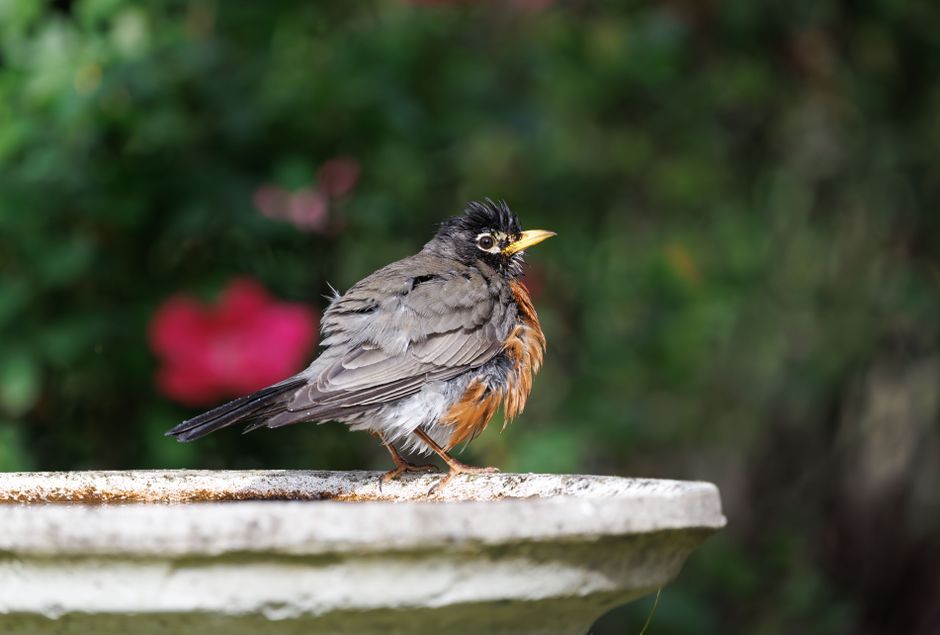
When I refer to size, I’m speaking about both the overall dimensions and the depth of the bath. You want something spacious enough for birds of different sizes. Ideally, a diameter of at least 20 inches is a good starting point. As for depth, shallow centers, around 2-4 inches deep, are best. Deep baths can be dangerous for small birds.
A mistake I see often is choosing a bird bath that’s too deep, thinking it will attract more species. In reality, many birds prefer shallow water.
In addition to dimension, consider how to position it. Birds are easily scared off, so placing the bath close to a bush or tree provides safety and encourages them to visit. If it’s too isolated, you may find it empty more often than not.
Materials Matter
Bird baths come in various materials including plastic, ceramic, stone, and metal. Each has its pros and cons. For instance, plastic baths are lightweight and easy to move, but not as durable as stone or concrete options. Those heavier materials can withstand the elements but require more effort to clean and maintain. It’s wise to choose a material that fits your climate.
For instance, metal can get uncomfortably hot in summer and frostbite in winter. I’d steer clear of fragile materials like glass, which won’t hold up well, especially in windy conditions.
Choosing the right material also impacts maintenance, which is a critical factor most overlook. A bird bath made of porous stone can harbor algae and bacteria, which is unhealthy for birds. Consider choosing a smooth-surfaced bath that’s easy to scrub clean. If you do go with something heavier or decorative, just know you’ll need to put in extra effort to keep it sanitary.
Watch Out for Design and Style
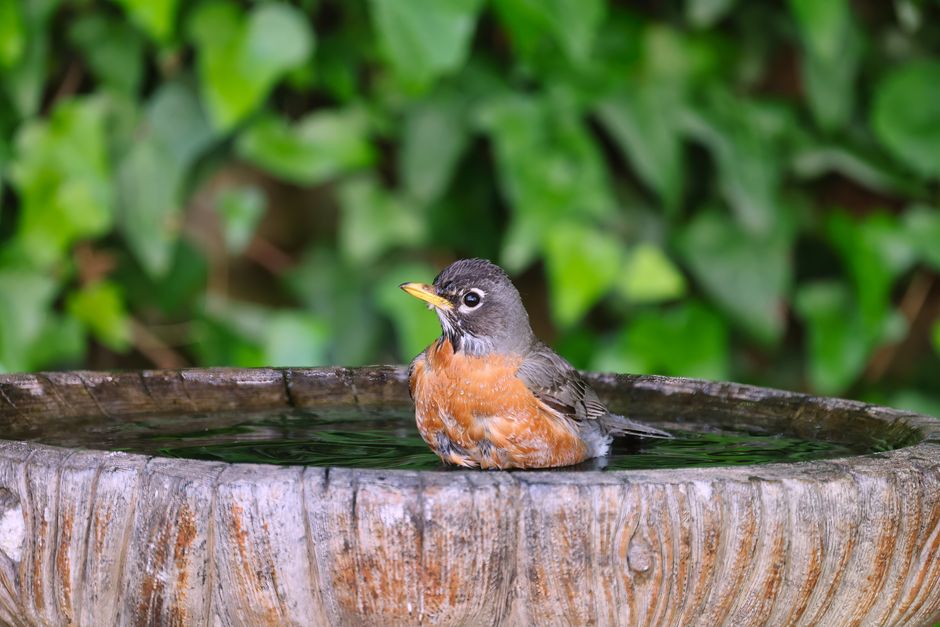
Design is not just about personal preference; it affects function too. Some bird baths come with built-in fountains or drippers that keep the water fresh and attract more birds. Birds are naturally drawn to moving water. To add to your options, I’d suggest a bird bath misterwhich adds a gentle mist that many bird species adore.
While it’s good to find something that looks nice in your garden, practicality should take precedence. Some intricate designs may look appealing but might be difficult to clean or unsuitable for bathing. Focus on the balance of aesthetics and usability. Avoid anything that can become a safety hazard, sharp edges are a definite no.
Maintenance Considerations
No one wants to buy a beautiful bird bath only to find it unattended due to maintenance issues. After all, regular cleaning is essential to keep it safe for birds. I recommend scrubbing it every few days during peak bird activity seasons, as debris can build up quickly. A simple mixture of water and vinegar works well to disinfect without harmful chemicals.
Moreover, you must regularly check for leaks or cracks if your bird bath has a fountain feature. Water loss not only wastes this valuable resource but can also discourage birds from visiting. If this seems overwhelming, consider selecting a design that is easier to maintain. Some are engineered specifically for easy cleaning.
Making the Right Choice
It’s crucial to remember that the right bird bath isn’t necessarily the most expensive or the fanciest one. You want a bath that meets the needs of local birds and fits well into your landscape setup. A good rule of thumb is to think about the bird species you want to attract and what their specific bathing preferences are.
If you often see small, chirpy birds like finches and sparrows, they will require a bath that’s shallow and close to cover. However, larger birds like robins might welcome a deeper bath with a wider diameter. The key is matching the bath to the birds you’re aiming to attract. For more insights on creating an optimal environment for these birds, check out how to choose a bird bath.
A Final Verdict on Choosing Your Bird Bath
For beginners, a solid stone bird bath around 20 inches in diameter and 3 inches deep is a reliable choice. If you want to attract a greater variety of birds, consider adding a fountain option, as this feature appeals to many species looking for fresh water.
Frequently Asked Questions
What is the best material for a bird bath?
The best materials for a bird bath are ceramic, concrete, or stone, as they tend to be more durable and can withstand the elements. Metal bird baths may heat up too much in the sun, while plastic can deteriorate over time.
How do I attract birds to my bird bath?
To attract birds to your bird bath, place it in a quiet area with some nearby vegetation for shelter. Keeping the water clean and fresh, and adding movement, such as a fountain or dripper, can also enhance its appeal.
Can I use a bird bath in winter?
Yes, you can use a bird bath in winter, but it's important to ensure the water does not freeze. Heated bird baths or bird bath heaters are excellent options to provide birds with liquid water during colder months.
Why won't birds use my bird bath?
Birds may not use your bird bath if it's too deep, not clean, or lacks easy access to the water. Additionally, positioning the bird bath in a location that feels safe and has some cover can encourage birds to visit.
What size should a bird bath be?
A bird bath should ideally be 2 to 3 feet wide and about 2 to 3 inches deep to accommodate a variety of bird species. It's important to make sure it isn't too deep, as many smaller birds prefer shallow water.