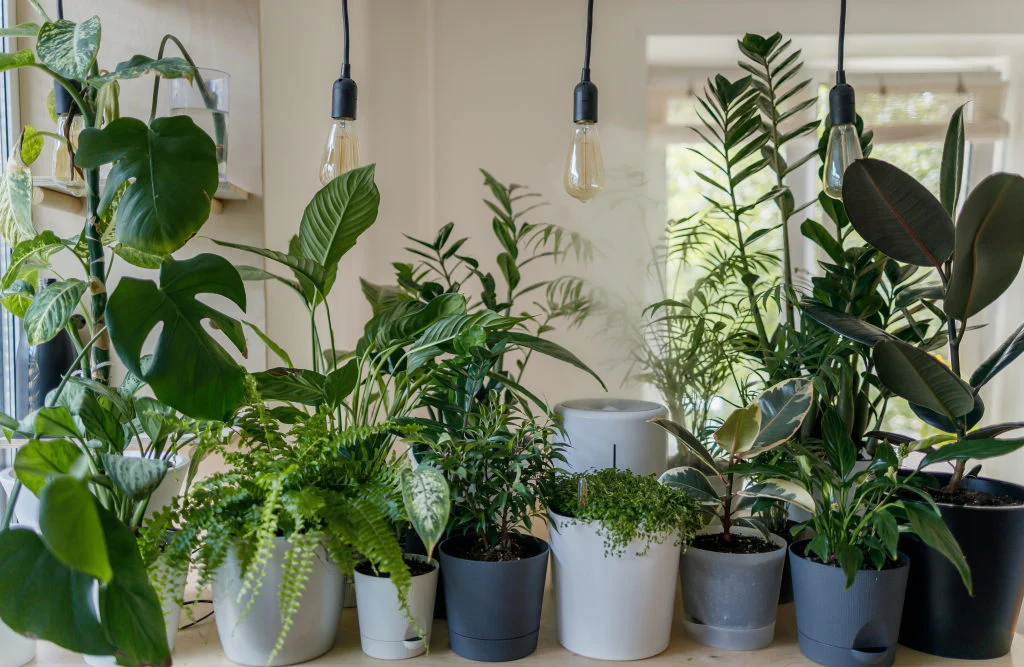
Indoor gardening has become increasingly popular and grow lights have become crucial for plant growth. However, improper use of grow lights can damage your plants. This blog post will explore how grow lights affect plant growth and whether they can burn plants. We will also give tips on using grow lights safely to maximize plant growth and avoid damaging your plants.
How Grow Lights Affect Plant Growth
Grow lights mimic natural sunlight, which plants need to photosynthesize and grow. They provide plants with the light they need to grow indoors where natural light may be limited or non-existent. However, increased light intensity and spectral output can affect plant growth.
Can Grow Lights Burn Plants?
Grow lights can burn plants if they are not used correctly. High intensity grow lights can cause leaf burn or even kill plants. It is because plants can only handle a certain amount of light intensity, and if it exceeds that limit, it can cause damage to the plant. However, not all grow lights are created equal. Some grow lights, such as LED lights, are less likely to burn plants because they emit less heat.
How to Avoid Burning Plants with Grow Lights
To use grow lights safely and avoid burning your plants, follow these tips:
1. Choose the Right Light Intensity
Different plants have different light intensity requirements. Some plants require more light intensity than others. Make sure you choose the right light intensity for your growing plant. If you need more time, start with a lower power and gradually increase until you find the right level for your plant.
2. Consider the Spectral Output
The spectral output of a grow light refers to the wavelengths of light it emits. Different plants respond differently to varying wavelengths of light. Make sure your grow light's spectral output matches your plants' needs. For example, blue light is good for vegetative growth, while red light is suitable for flowering and fruiting.
3. Opt for LED Grow Lights
LED grow lights are popular among indoor gardeners because they are power-efficient and emit less heat than traditional grow lights. It means that they are less likely to burn your plants. LED grow lights also have a more precise spectral output, which can be tailored to the needs of your plants.
4. Keep the Right Distance
The distance between your plants and your grow light can also affect plant growth and prevent burning. Keep the proper distance between your grow light and your plants. The space will vary depending on the light intensity and the type of plant you are growing. Generally, keep the grow light at least 12-18 inches away from your plants.
Conclusion
Grow lights are a valuable tool for indoor gardening but can also harm your plants if not used correctly. Observing the steps in this article, you can use grow lights safely and maximize plant growth while avoiding burn. Remember to choose the right light intensity, consider the spectral output, opt for LED grow lights, and keep the proper distance between your plants and your grow light. These tips allow you to enjoy a successful indoor garden with healthy and thriving plants.