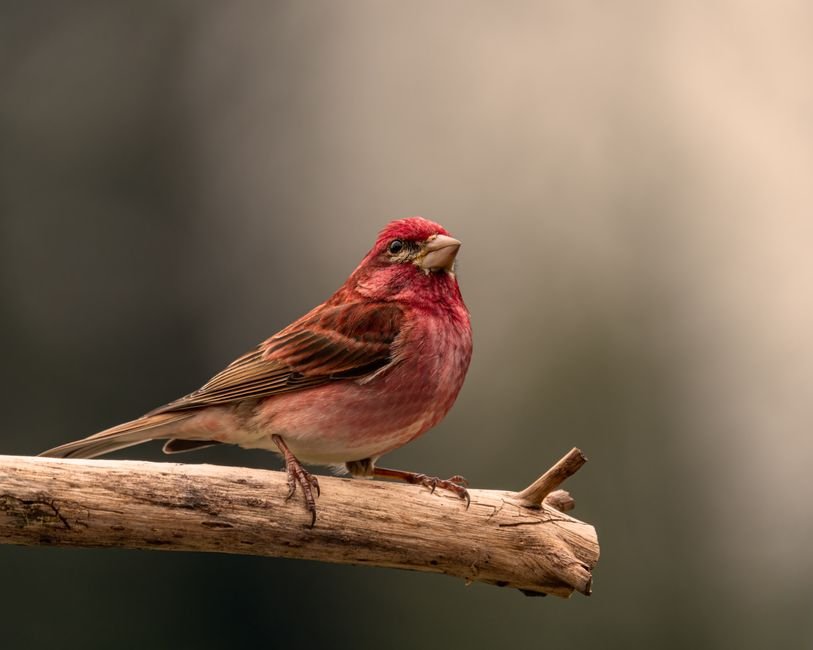
Over 350 migratory bird species traverse North America, making it crucial to understand their seasonal movements. Identifying when these species migrate and their preferred locations can elevate your birdwatching experience substantially.
By recognizing their migration routes and seasonal habits, you won’t miss the spectacular displays of nature each year. Here’s how you can identify seasonal bird patterns effectively.

The Basics of Bird Migration Patterns
Birds migrate for various reasons, primarily to find food and suitable breeding grounds. Most migratory birds, like the American Robin, follow well-established routes that often correspond to seasonal weather changes and availability of resources. Understanding the factors impacting migrations, such as breeding cycles and environmental cues like temperature shifts, is crucial.
For instance, many species start migrating as daylight length increases. They follow instinctual timings, which can vary by region and species. Observing when certain birds arrive in your area can give you important clues about the seasonal patterns in your local ecosystem.
Tracking Bird Migration Routes
One of the most effective ways to identify bird migration patterns is by familiarizing yourself with common migration routes. For instance, many birds migrating from Canada to the United States follow the Mississippi Flyway during the spring and fall. Tools like birdwatching apps and local birding websites provide migration maps that detail when to expect specific species in your area.
It’s important to note the peak times, as many birds travel in large flocks. Noting the arrival and departure dates of various species helps build a timeline that can predict future migrations. This practice allows you to plan your birdwatching trips around the best possible opportunities.
Key Seasonal Birdwatching Tips
When preparing for seasonal birdwatching, keep these tips in mind:
- Check local birdwatching calendars created by regional wildlife societies, they often list expected arrivals and departures of various bird species throughout the year.
- Join local birdwatching groups, as experienced birders often share their sightings and observations. This personal touch often provides more accurate information than general guides.
- Keep a bird journal. Jotting down the species you observe, accompanied by notes on weather conditions and time of year, can help identify trends over time.
Taking these steps increases your chances of spotting migratory birds and deepens your understanding of their behavior. It’s more than just watching birds; it’s about connecting with nature’s remarkable rhythms.

Common Mistakes to Avoid
When trying to identify seasonal bird patterns, it’s easy to make simple mistakes. One common error is not considering local environmental changes that can affect bird behavior. A particularly warm winter can lead to earlier migrations, while harsh weather conditions might delay them. Always check local forecasts and be aware of how climate can change the expected patterns.
Another pitfall is relying solely on outdated resources. Migration timing can change dramatically, so seek current information. Apps or websites that are regularly updated and community-driven can be more reliable than older publications.
Your Personalized Birdwatching Experience
Ultimately, the best way to identify bird patterns is to immerse yourself in the experience. Spend time observing in your local parks or nature reserves at dawn or dusk when birds are most active. If you’re passionate, consider participating in citizen science projects that monitor bird populations. This engagement not only enhances personal knowledge but also contributes valuable data to conservation efforts.
Find Your Pattern
For serious birdwatchers, investing in a detailed field guide is invaluable for tracking seasonal patterns. Beginners may find birdwatching apps effective for real-time updates on migrations, allowing for accessible engagement with the activity.
If that matters to you, our piece on facts patterns and timing goes further.
See also our take on regular bird bath.
Frequently Asked Questions
What factors influence bird migration patterns?
Migration patterns are influenced by various factors including food availability, breeding conditions, and climate changes. Seasonal changes in daylight, temperature, and weather conditions also play a crucial role in timing and routes.
How do birds navigate during migration?
Birds navigate using a combination of environmental cues such as the position of the sun and stars, Earth’s magnetic field, and landmarks. They also rely on innate abilities and learned experiences from previous migrations.
Why do some birds migrate and others don’t?
Some birds migrate to find more favorable breeding grounds and food sources, while others may remain sedentary because their habitats provide year-round resources. Factors such as species, geography, and climate determine these behaviors.
Can climate change affect bird migration?
Yes, climate change can significantly affect bird migration by altering food availability and breeding habitats, leading to shifts in migration timing and routes. Warmer temperatures may cause some species to arrive at their destinations earlier or later than usual.
How can I contribute to bird migration studies?
You can contribute to bird migration studies by participating in citizen science projects like bird counts and reporting sightings to organizations focused on bird conservation. Supporting bird habitat conservation initiatives and staying informed about local bird populations also helps. For more information on how to identify seasonal bird patterns, you can explore additional resources.