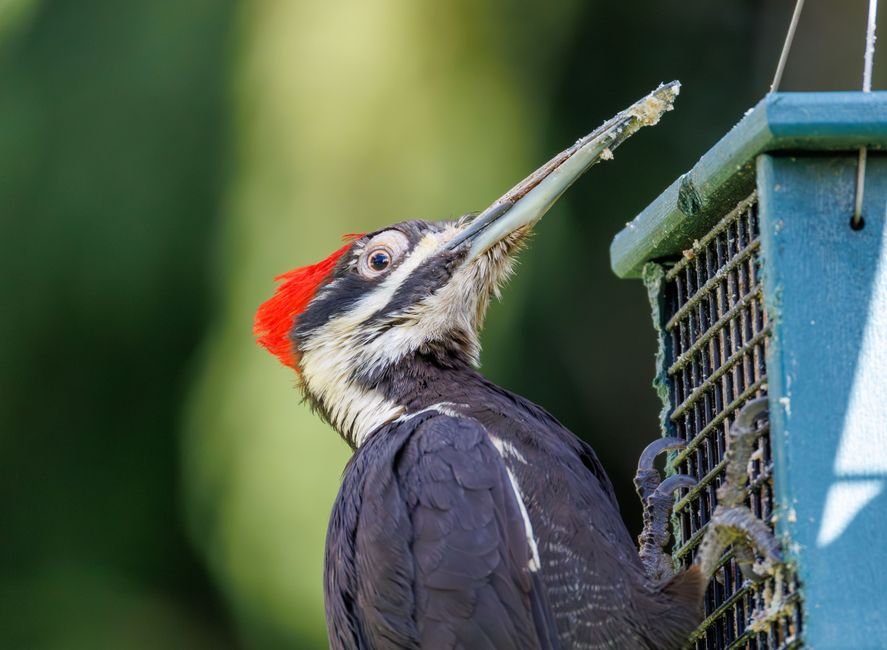
One of the best ways to attract woodpeckers to your yard is by offering them a source of food they can’t resist, like suet or peanuts. Woodpeckers are drawn to feeders that provide these foods, so using the right type of feeder is essential for success.
Many people overlook the specific dietary preferences of woodpeckers, opting for generic bird feeders that may not meet their needs. If you’re serious about attracting woodpeckers, you’ll want to focus on a few highly appealing options, especially when it comes to feeder setup and food choices.

What Food Will Attract Woodpeckers?
To draw woodpeckers, the first thing to get right is the food selection. They are known for their strong beaks that can crack open tough shells and bark, which means they have specific tastes. Suet cakes are a clear winner. These high-fat, calorie-dense treats are favored by many woodpecker species, especially during colder months when they need extra energy to survive.
In fact, I often make my own suet cakes at home. The process isn’t complicated at all; it just involves mixing animal fat with nuts, seeds, and maybe some dried fruit for added nutrition. This also allows me to customize it based on what I know woodpeckers love. If you’re interested in making your own, check out my detailed guide on how to prepare suet for birds.
Other great choices include peanut butter spread, which many woodpeckers find irresistible. It can be smeared on tree bark, within the feeder, or even on pine cones. The fatty nature of peanut butter mimics the nutritional content found in their natural habitat, enhancing its appeal significantly.
The Ideal Feeder Setup
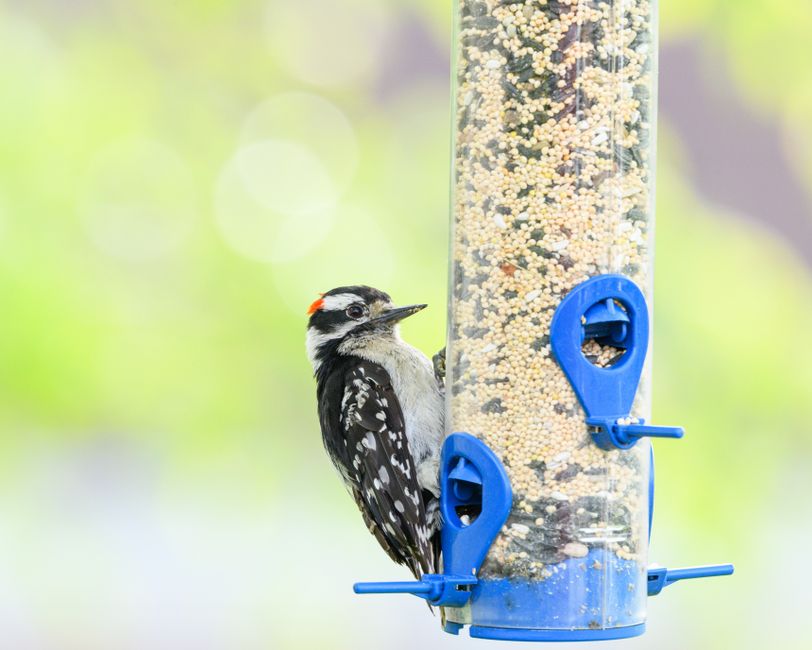
While food options are critical, the feeder type and placement cannot be ignored. Woodpeckers tend to prefer platform feeders. These feeders allow them to perch comfortably and access food easily. You can get specialized woodpecker feeders that accommodate their feeding style better.
Another common mistake is placing feeders in areas that are too enclosed or far from trees. Woodpeckers need a clear line of sight to spot predators and often prefer to dine close to their natural habitat. Position your feeders near sturdy trees or poles where they can easily perch before and after eating.
Additionally, I’ve noticed that providing suet feeders with cages helps keep squirrels out, ensuring that the food is available exclusively for woodpeckers and other small birds. This means that you get a higher chance of seeing them at the feeder, especially if food gets low in their habitat.
Frequent Mistakes People Make
One common error many people make is choosing the wrong types of seeds. Woodpeckers are not as drawn to typical birdseed blends, which usually contain sunflower seeds and millet. Instead, if you want to attract them, focus on foods high in protein and fat, like nuts, seeds, and suet.
Another oversight is not maintaining the cleanliness of the feeders. Bacteria can build up in feeders that aren’t cleaned regularly, particularly when using suet. It’s a good practice to clean your feeders every couple of weeks, especially in warm weather, to prevent mold and bacteria growth that could scare woodpeckers away.
Neglecting to offer water sources can also diminish your chances of attracting woodpeckers. They need water for drinking and bathing, so consider adding a small birdbath to your yard to make it more enticing.
Timing is Everything
The time of year significantly affects woodpecker visitation. They are most active during spring and fall, seeking out food supplies to prepare for breeding or migration. If you want to capture stunning views of woodpeckers, ensure your feeders are stocked during these peak times.
During winter, woodpeckers are more likely to visit feeders as natural resources dwindle. This makes it a prime opportunity to attract them by offering high-energy foods like suet cakes and peanut butter.
If you’re curious about how often to change up what you offer, I’ve found that varying the food periodically can reignite interest. For instance, switching between suet cakes and nut blends can ensure that your feathered friends keep returning.
For more, read about bath vs water.
Conclusion: The Path to Successful Woodpecker Feeding
To effectively attract woodpeckers, use a platform feeder filled with suet cakes and peanut butter, especially if you want to draw in a variety of woodpecker species. Hanging a suet feeder near trees works well for those who prefer a more traditional setup, ensuring your space remains lively with these birds.
Frequently Asked Questions
Why do woodpeckers visit feeders?
Woodpeckers visit feeders primarily for food sources that mimic their natural diet. Feeders provide a reliable and convenient way for them to access high-energy food, especially in colder months when natural resources are scarce.
What food attracts woodpeckers?
Woodpeckers are particularly attracted to suet, peanuts, and seeds, especially sunflower seeds. They also enjoy woodpecker-specific mixes that may include dried fruits and insects.
How can I make a woodpecker feeder more appealing?
To make a woodpecker feeder more appealing, offer a variety of food options such as suet blocks, peanut butter, and shelled peanuts. Additionally, placing the feeder in a quiet, sheltered area and ensuring it’s mounted securely can enhance its attractiveness.
Is suet good for woodpeckers?
Yes, suet is an excellent food source for woodpeckers as it provides high energy that supports their active lifestyle. It also helps them maintain their body temperature in colder weather.
Can woodpeckers be fed year-round?
Yes, woodpeckers can be fed year-round as they can benefit from additional food sources during all seasons. Providing food throughout the year can help support their nutritional needs and attract them consistently to your feeders.
For more information on birds and their habits, check out the Cornell Lab of Ornithology.