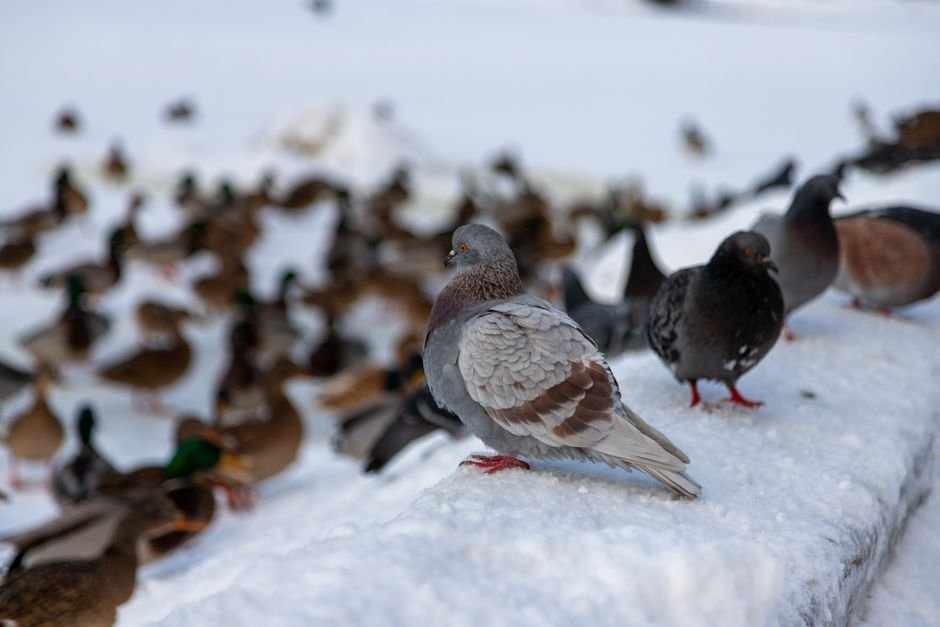
Birds face increased mortality rates during winter, with up to 80% of young birds not surviving their first year. To help them thrive amidst plummeting temperatures and scarce food supplies, it’s crucial to understand their needs and adjust your yard accordingly. Implementing specific strategies can significantly improve their chances of survival during these harsh months.
First, let’s tackle what’s most essential: food, water, and shelter. It might seem simple, but what many don’t realize is that the type of food you provide and the availability of fresh water can have a significant impact on a bird’s survival. Additionally, creating suitable shelters can mean the difference between life and death for some birds.
Here’s how you can make a real difference this winter.
Choosing the Right Bird Feeders
Not all bird feeders are created equal, especially in winter. I prefer feeders that offer protection from the elements, like tube or platform feeders with roofs. They not only provide a safe place for birds to eat but also keep food dry. This is crucial when rain or snow turns a backyard into a soggy mess.
A feeder with a simple design that makes refilling easy is also a lifesaver when temperatures plummet; you can replenish feed quickly.
A tip I swear by? Use feeders that cater to different species. Some birds prefer suet, while others enjoy seeds. Black oil sunflower seeds attract various songbirds, and they’re a reliable option for winter. Just remember to clean your feeders regularly to prevent mold, which can be harmful to birds.
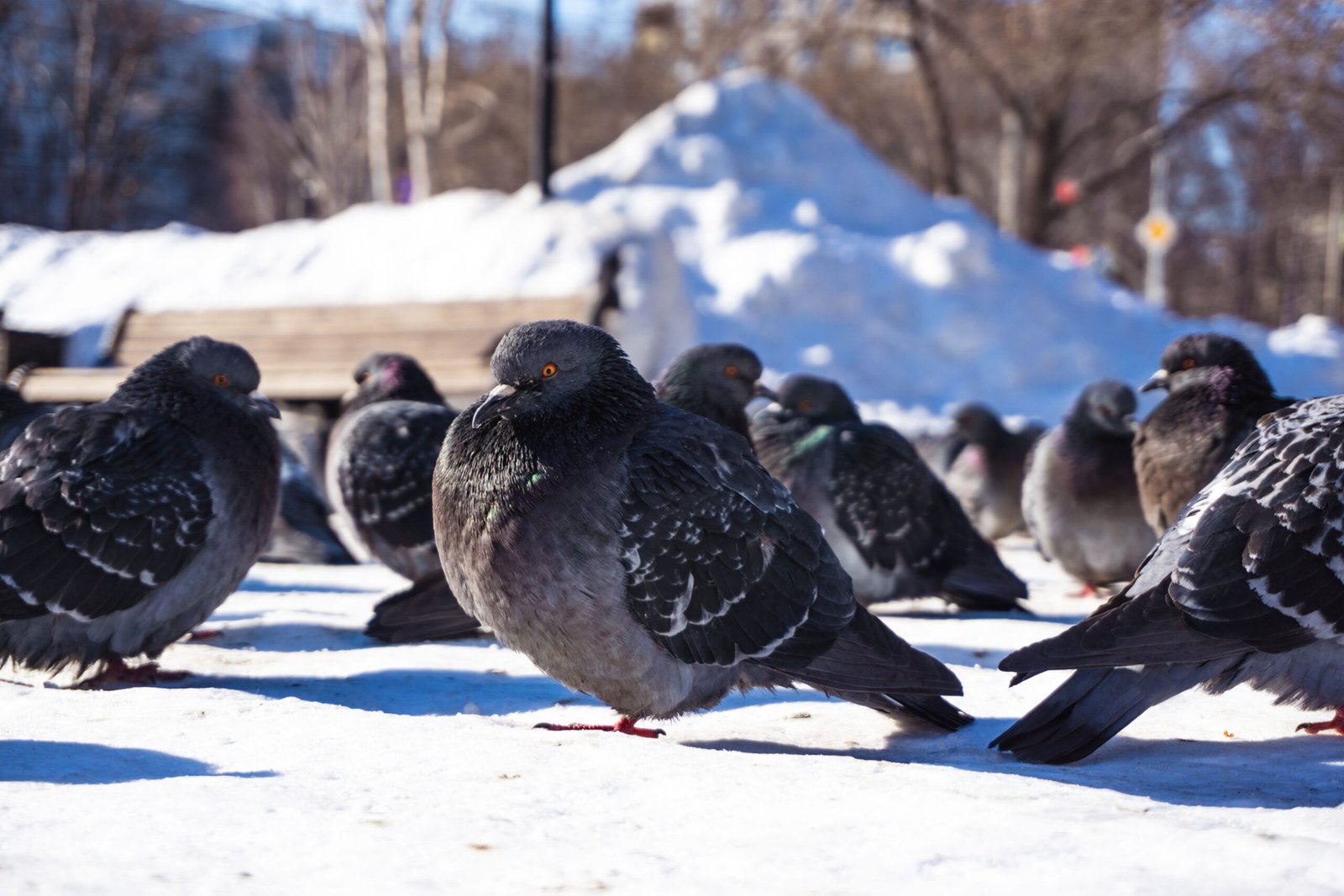
Providing Adequate Shelter and Warmth
What many people overlook is the necessity of effective shelter. Birds need places to escape the wind, rain, and snow. If you have a dense shrub or evergreen tree in your yard, encourage its growth by properly pruning it, as it will provide essential shelter. If space permits, consider putting up birdhouses, especially those designed for winter survival.
Look for insulated options to best protect small birds from frigid temperatures.
Creating a brush pile can also serve as a fantastic habitat. By stacking fallen branches and leaves, you offer birds a safe zone that provides both shelter and potential nesting sites. Simple landscaping changes can have substantial implications for the birds in your area.
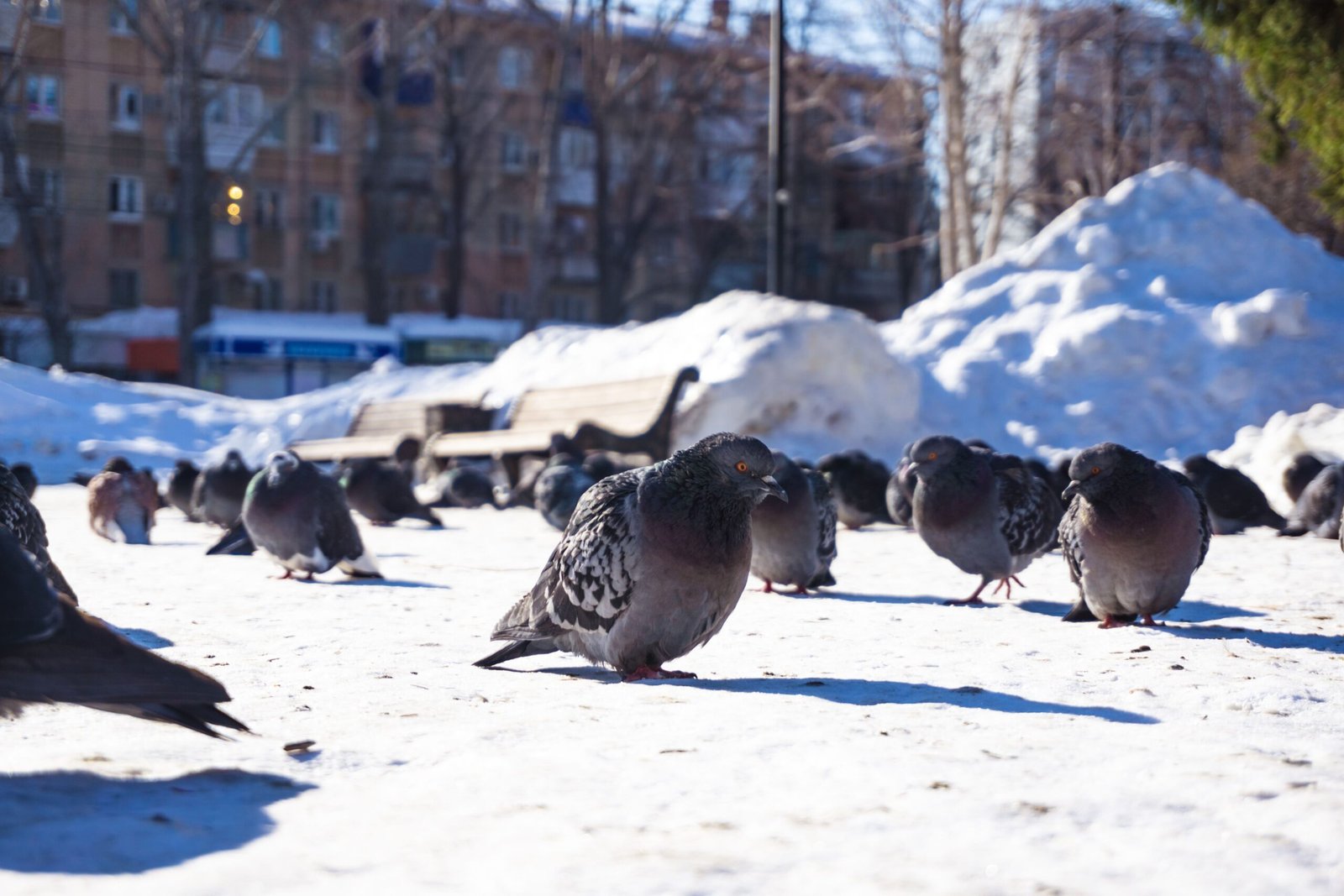
Water for Birds in Winter
Access to fresh water is as crucial as food but often harder to maintain in cold weather. Many people forget that birds need water not just for drinking but also for bathing. Heated bird baths are an excellent investment.
I prefer those with built-in thermostats that activate only when the temperature falls below freezing; they can be a bit pricier, but the consistent water supply is worth it.
If you’re not keen on heated options, you can simply refill a shallow dish daily with warm water. This might seem like a chore, but it’s one of the best ways to attract birds during winter when liquid water is scarce.
The Right Bird Food for Winter
Feeding birds in winter isn’t just about throwing out seeds. You need to provide high-energy options to help them withstand the cold. Suet is especially beneficial, offering the necessary fat that birds need. There are plenty of suet cakes available, but I’ve found that making my own with peanut butter, lard, and seeds works wonders.
It’s inexpensive and often preferred by my backyard visitors.
Another good choice is nyjer seed, which is particularly popular among finches. Mix in sunflower seeds and peanuts to create a diverse diet. While many think that bulk seeds save money, be mindful of waste; it’s better to offer fresh smaller amounts regularly than to let seeds sit and spoil.
Common Mistakes Bird Lovers Make
One mistake I see often is assuming that all birds will flock to your winter offerings. This is where people usually get caught out. Knowing the specific birds in your area and their dietary preferences can save you money and time. Others invest in elaborate feeding stations but neglect to keep water available.
Don’t let your efforts go to waste, ensure birds have abundant water to complement the food you provide.
Another pitfall is ignoring cleanliness. Neglected feeders can breed diseases that harm birds. I always clean my feeders thoroughly every couple of weeks, using a mild bleach solution to disinfect and then rinsing well. It’s a simple step that pays dividends in the health of our feathered friends.
Commit to Being a Winter Bird Guardian
To truly support birds in winter, invest in high-quality bird feeders filled with energy-rich food like suet and sunflower seeds, which attract a variety of species. Additionally, consider placing heated water bowls to ensure they have access to fresh water. These options cater to both casual observers and dedicated bird enthusiasts looking to create a hospitable environment directed towards how to keep birds safe in winter.
For more, read about bath not attracting.
Frequently Asked Questions
What can I feed birds in winter?
You can feed birds high-energy foods such as sunflower seeds, suet, peanuts, and millet during winter. These foods provide the necessary calories they need to stay warm and energized in cold weather.
How can I keep my birdbath from freezing?
To prevent your birdbath from freezing, you can use a birdbath heater or a heated birdbath designed for winter use. Additionally, placing the bath in a sunny location can help keep water from freezing as quickly.
Do birds need shelter in the winter?
Yes, birds need shelter during winter to protect themselves from harsh weather conditions. Providing natural shelter, such as shrubs and trees, or man-made structures like birdhouses can help keep them safe from the cold.
How do birds stay warm in freezing weather?
Birds stay warm in freezing weather by fluffing their feathers to create insulation and retaining heat. They also roost together in groups to share warmth and may lower their metabolic rate to conserve energy.
Is it important to feed birds all winter long?
Yes, it is important to feed birds consistently throughout the winter, as food sources can be scarce. Regular feeding helps them maintain their energy levels and survive the colder months.