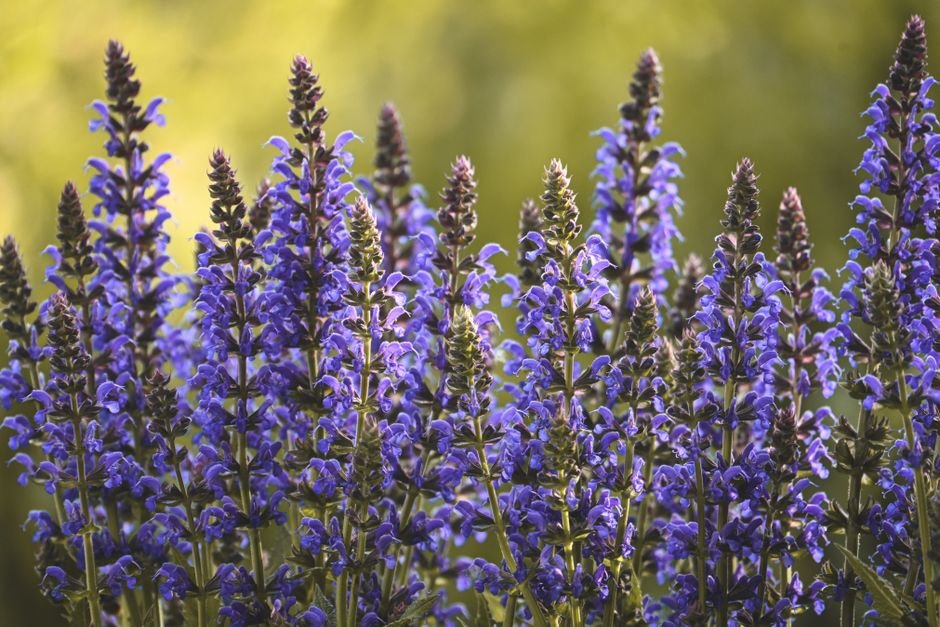
Research shows that garden sage can attract up to 15 species of birds, while lavender draws around 10. Choosing between these two plants offers distinct advantages depending on the type of birds you want to invite into your garden.
In this comparison, I’ll explore the specific benefits of garden sage and lavender, allowing you to make an informed decision about which plant to include in your garden for attracting birds effectively.
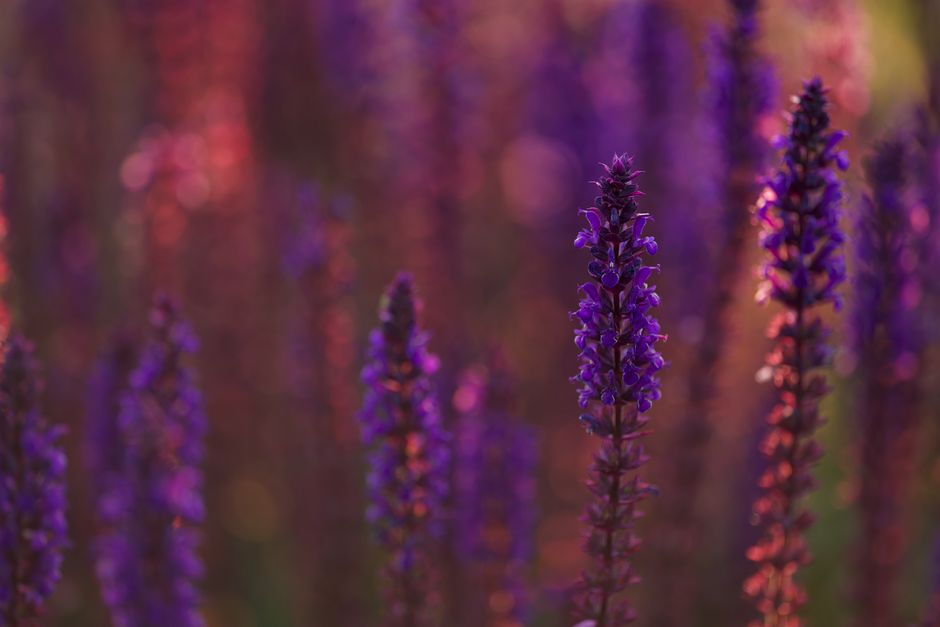
1. Benefits of Garden Sage for Birds
Garden sage is a versatile herb that’s more than just a culinary delight. Its flowers are rich in nectar, attracting hummingbirds and other nectar-loving birds. The plant provides a safe spot for birds to perch and forage, while also supporting various beneficial insects that play a role in your garden’s ecosystem.
If you’re looking to create a habitat that encourages a variety of bird species, garden sage is a strong contender.
One practical consideration is that garden sage is drought-resistant, making it a low-maintenance option for your herb garden design.
2. Lavender’s Role in Bird Attraction
Lavender is another remarkable herb that draws in birds with its vibrant purple flowers and captivating scent. The flowers of lavender attract bees, which indirectly lead birds like goldfinches and sparrows to your garden, as they feed on the seeds. Lavender’s structure also provides shelter for small birds, making it an excellent addition to a bird-friendly garden.
Ensure you select the right lavender variety for your region, as some types thrive better than others under specific climatic conditions.

3. Nectar Production Comparison
One of the primary differences between garden sage and lavender lies in their nectar production. While both offer nectar, sage tends to produce more of it, making it a favored choice among hummingbirds who rely on this food source. If your goal is to attract a wider variety of birds that enjoy nectar, sage might be the superior choice.
Monitor the blooming cycles of both plants to maximize nectar availability throughout the growing season.
4. Seed Attraction Potential
When you think about attracting birds, seeds are a major factor. Lavender’s flowers produce aromatic seeds which are particularly attractive to finches and other seed-eating birds. This quality enhances its appeal as a natural bird attractor, especially if you appreciate watching these birds forage and feed.
To maximize seed production, allow the flowers to fully bloom and dry before deadheading them. This will encourage more seed growth and draw in birds eager for a snack.
5. Seasonal Considerations for Planting
Timing your planting is critical for the success of any garden. Garden sage typically thrives in the warm summer, while lavender can tolerate a broader climate range and even some frost. If you live in a region with variability in seasons, consider mixing both plants to ensure a continuously blooming garden that attracts birds year-round.
Be aware that the establishment period for garden sage can be longer, so plan accordingly when setting up your garden.
6. Environmental Benefits Beyond Birds
Both garden sage and lavender offer significant environmental benefits beyond bird attraction. They are wildlife-friendly plants that support local biodiversity. Sage can attract beneficial pollinators like bees, while lavender repels certain pests, making it a natural pesticide. By choosing either, you’re not only creating a haven for birds but also contributing to a healthier ecosystem.
If you want to maximize these benefits, consider companion planting other herbs that complement either of these plants, enhancing your garden’s overall health.
7. Aesthetic Appeal in Your Garden
Aesthetically, garden sage and lavender offer different charm. Sage has a softer, more muted hue while lavender provides bursts of vibrant purple. Keep this in mind when designing your herb garden, as the combination can create a visually stunning tapestry of colors and textures that will be enjoyable not just for birds, but for you as well.
Experiment with mixing these plants in different areas to see which arrangement looks best in your garden.
How to Choose
For attracting hummingbirds and a variety of nectar-loving species, garden sage is the stronger choice. Conversely, if you want to support seed-eating birds with shelter and food options, lavender is more suitable. Planting both can create a diverse environment that benefits a wider range of wildlife.
Related reading: clean garden.
Frequently Asked Questions
How does garden sage attract birds?
Garden sage attracts birds primarily through its fragrant foliage and flowers, which can provide both food and shelter. The nectar of its blossoms is especially appealing to various bird species, making it a favored garden addition.
Is lavender more effective than sage in attracting birds?
Lavender is often considered less effective than sage for attracting birds, as its primary appeal lies in its aromatic properties rather than nectar. While lavender can attract some insects and consequently birds, garden sage typically offers more direct food sources.
What are the best plants to attract birds naturally?
Some of the best plants to attract birds naturally include sunflowers, coneflowers, and various berry-producing shrubs like elderberry and serviceberry. These plants provide essential food sources, such as seeds and fruits, which are highly attractive to many bird species.
Can lavender repel certain birds?
Yes, lavender can repel certain birds due to its strong scent, which may deter some species that prefer less aromatic environments. Additionally, its essential oils can create an unwelcoming atmosphere for some birds.
Why are birds attracted to certain herbs?
Birds are attracted to certain herbs primarily for their seeds, nectar, and the shelter they provide. Many herbs, like sage and mint, also attract insects, which in turn serve as a food source for insectivorous birds.
For more insights on how specific plants can enhance your garden’s appeal to pollinators, you may want to explore this article.