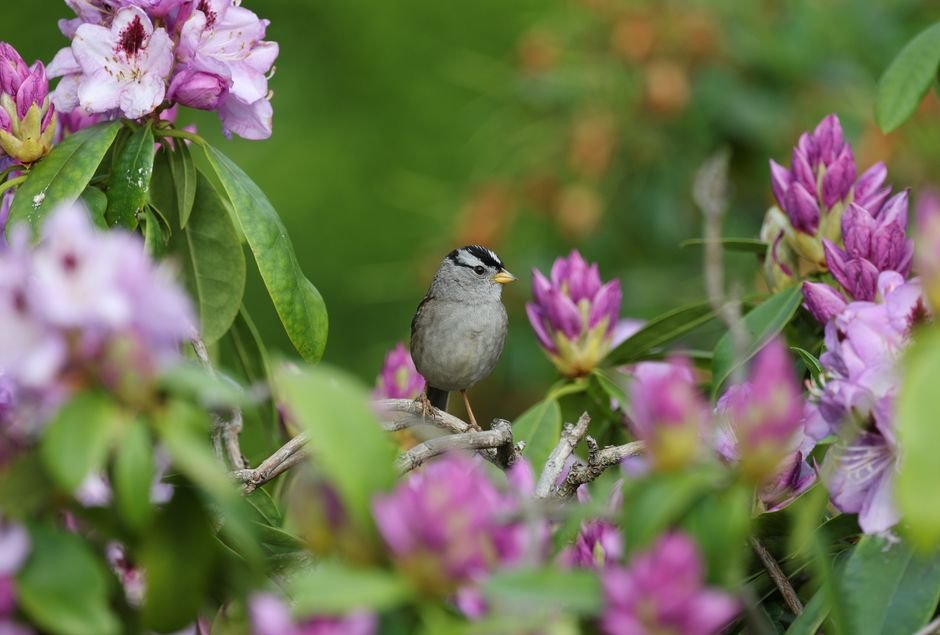
A well-planned garden can attract up to 20 different bird species, transforming your outdoor area into a lively sanctuary. Many gardeners overlook the critical role native plants and dedicated food sources play in supporting local birdlife. By adopting a more intentional gardening approach, you can create an environment that nurtures both plants and birds.
So, what is a bird-friendly garden? It’s a purposeful space that provides food, water, shelter, and nesting sites for birds, particularly benefiting those native to your area. Unfortunately, it’s easy to overlook key components that make a garden truly welcoming to birds. Too often, gardens feature exotic plants that may not support the local ecosystem.
If you’re ready to transform your yard into a sanctuary for our avian friends, let’s explore the essentials.
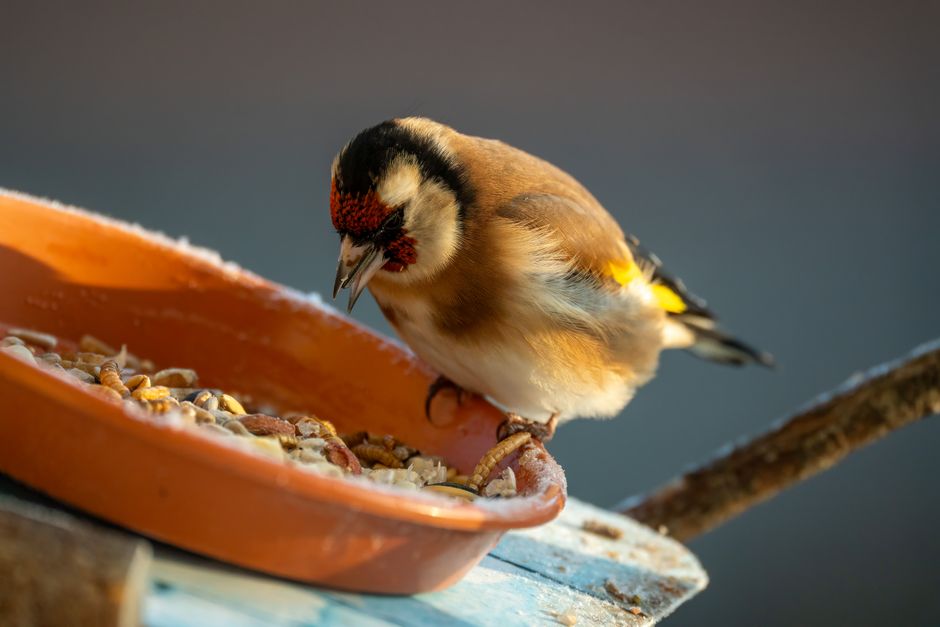
What You Might Be Skipping
A common mistake many gardeners make is focusing solely on ornamental plants. While they might look lovely, flowering species like hibiscus or petunias often don’t provide the nutritional benefits that local species do. Incorporating native plants is crucial, they have evolved alongside local wildlife and provide essential food sources, from seeds to nectar.
By prioritizing native plants, you’re not only supporting local bird species, but you’re also fostering biodiversity. In my own experience, adding plants like milkweed and coneflower attracted butterflies and bees as well, creating a lively ecosystem. Plus, native plants are typically lower maintenance; they’re adapted to local soil and climate conditions, which means they require less water and fewer chemicals.
Food Sources Beyond Bird Feeders
Many people think bird feeders are the only way to keep birds fed in their gardens, but that’s a misconception. While feeders are helpful during harsh weather, they shouldn’t be the only source of sustenance. Natural food sources are crucial for bird health. Trees and shrubs like black cherry, dogwood, and serviceberry provide fruits and berries that many birds love.
These options are often more readily available and less stressful for birds than visiting feeders.
Additionally, consider growing flowers that produce seeds, such as sunflowers and rudbeckias. The seeds appeal to a variety of birds and offer nutrition without the hassle of refilling feeders. Keep in mind that baby birds, in particular, require insects, so maintaining a garden that attracts insects can be incredibly beneficial too.
Water Sources: More Than Just a Bird Bath
Establishing a water source is critical for a bird-friendly garden. While bird baths are a great option, they’re often misused. Many people create baths without considering placement, leading to poor usability. Place bird baths in a safe location, ideally near trees or shrubs, providing birds a place to retreat quickly if predators approach.
If you think a bird bath is all you need, think again. Incorporating water features like small ponds or running streams also attracts a wider variety of birds. The sound of moving water can be irresistible. I’ve noticed that even small fountains can draw birds in, especially during the hotter months.

The Perils of Pesticides
If there’s one thing to avoid at all costs, it’s using pesticides. These chemicals can be deadly for birds, especially since they often consume insects treated with these harmful substances. Instead of reaching for chemical solutions for pests, embrace sustainable gardening practices. Encourage beneficial insects that naturally keep pests in check. You’ll find that a bit of biodiversity goes a long way.
For instance, ladybugs control aphids while lacewings keep spider mites away. You can promote these helpful insects by planting diverse flowers that bloom in various seasons, creating a sanctuary where beneficial species thrive. An integrated pest management approach is not only safer for the birds but can be more effective than conventional pesticides.
Creating Safe Nesting Spaces
Another critical aspect to consider is the nesting opportunities you provide. Too often, gardens lack the right structures for birds to build their homes. It’s easy to overlook this, but you can make your garden inviting by incorporating shrubs and trees with dense foliage. Safe, sheltered areas promote natural nesting for birds like sparrows and finches.
Adding specific nesting boxes can also be an effective solution. Choose the right size and design for the birds you’re hoping to attract. Make sure they are installed at the right height and in a safe location, away from cats and other predators. Providing a nesting space not only helps birds reproduce but also turns your garden into a vibrant community.
Our write-up on clean garden picks up where this leaves off.
Final Thoughts: Commit to a Bird-Friendly Space
For a bird-friendly garden, prioritize planting native species and installing a birdbath. This approach suits both novice gardeners who want easy maintenance and experienced ones looking to enhance biodiversity. As you implement these elements, you'll soon see a variety of birds enjoying their new habitat.
Frequently Asked Questions
What plants attract the most birds?
Plants that produce berries, such as elderberry and serviceberry, as well as flowering plants like coneflowers and sunflowers, attract the most birds. Additionally, trees and shrubs that provide shelter, like oaks and dogwoods, can also draw in various bird species.
How do I make my garden bird-friendly?
To make your garden bird-friendly, incorporate a variety of native plants, provide fresh water sources, and create shelter with shrubs and trees. You can also add bird feeders and baths, ensuring they are cleaned regularly to promote bird health.
Why are native plants important for birds?
Native plants are important for birds because they provide essential food sources and habitats that local bird species have evolved to depend on. These plants support the insects and seeds that many birds require for nourishment.
Can a garden be both bird-friendly and pest-free?
While it can be challenging to achieve a completely pest-free garden, a bird-friendly garden can help manage pests naturally. Birds eat insects, including pests, which can keep their populations in check, reducing the need for chemical pesticides.
How does a bird-friendly garden help the environment?
A bird-friendly garden contributes to the environment by supporting local biodiversity and providing habitats for various wildlife species. Additionally, it can assist in pollination and pest control, promoting healthier ecosystems.
For example, consider what is a bird-friendly garden when selecting plants to encourage a thriving bird population.