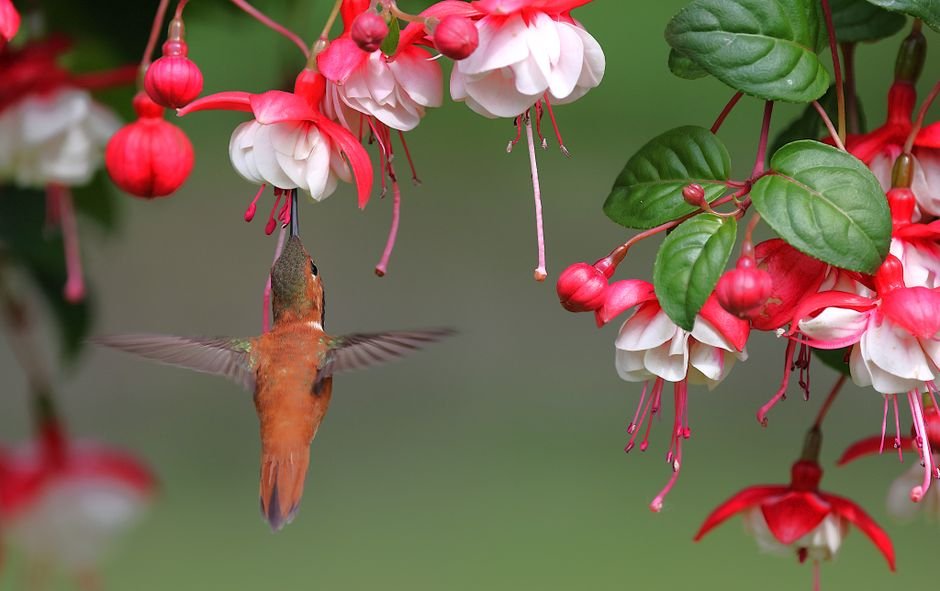
To attract hummingbirds effectively, consider including at least five specific nectar-rich plants in your garden. These birds are drawn to bright colors and continuous blooming patterns throughout the seasons, making plant selection vital for success.
In this article, I’ll share nine effective strategies that have proven successful for my garden and many others. Whether you’re a novice gardener or someone looking to refresh your space, these tips will help you learn how to attract hummingbirds with plants.

1. Choose Nectar-Rich Plants
Hummingbirds are drawn to flowers that produce abundant nectar. Some of the best plants include bee balm, salvia, and trumpet vines. These plants typically bloom during the growing season, providing a consistent food source. Planting a variety will ensure there’s something blooming from spring through fall.
Tip: Opt for native species whenever possible, as they are adapted to your local climate and soil, making them easier to grow and more appealing to hummingbirds.
2. Create Layered Planting
Layering your plants can attract multiple species of hummingbirds, as they prefer different levels of vegetation. Plant taller species like red hot poker at the back and shorter plants like columbine at the front. This strategy not only enhances visual interest but also creates a more inviting habitat.
Tip: Group plants in clusters rather than scattering them. This makes it easier for hummingbirds to spot the flowers and can create a striking visual effect.
3. Regularly Deadhead Flowers
Removing spent blooms encourages more flowering. Hummingbirds prefer fresh blooms, so regularly deadheading will stimulate new growth. This simple maintenance task can lead to more flowers throughout the season and keep your garden buzzing with activity.
Tip: Set a schedule for deadheading every two weeks. You’ll enjoy a longer-lasting bloom season, and it keeps your garden looking tidy.
4. Grow Plants with Bright Colors
Hummingbirds are highly attracted to bright red, orange, and pink flowers. These colors stand out in a garden and signal the presence of nectar. Some top picks include fuchsia, zinnias, and coral bells, which not only attract hummingbirds but are also pleasing to the eye.
Tip: Consider adding a few pots of brightly colored annuals to your patio area to create a vibrant dining experience for these birds right outside your door.
5. Provide a Water Source
Adding a shallow dish or birdbath can attract more hummingbirds to your garden. These birds not only require nectar for energy but also need water for hydration. Having a clean, accessible water source nearby encourages them to linger longer.
Tip: Change the water regularly to keep it fresh and clean, especially during hot weather.
6. Use Hummingbird Feeders in Conjunction with Flowers
While you can attract hummingbirds with plants, offering feeders filled with sugar-water can supplement their diet. Hummingbird feeders should be bright red to catch their eye and filled with a mixture of one part sugar to four parts water. This approach ensures that nectar is always available.
Tip: I recommend checking out my detailed guide on the best hummingbird feeder [here](https://soakpetals.com/best-hummingbird-feeder/), where I cover features that can enhance your feeding strategy.
7. Plan for Flowering Season
Understanding the blooming periods of your plants is crucial. Hummingbirds migrate during certain times of the year, so having a succession of blooming plants can keep them fed throughout their stay. For instance, early bloomers like crocus can attract hummingbirds in spring, while late bloomers like asters can provide much-needed sustenance in the fall.
Tip: Create a planting calendar to track when different plants should bloom. This proactive planning maximizes the availability of nectar for your feathered friends.

How to Choose
For the best results, prioritize trumpet-shaped flowers like honeysuckle and salvia, as they cater specifically to hummingbirds. If you have limited space, potted options like fuchsias can still provide an inviting environment. A combination of diverse plants and reliable water sources ensures a thriving habitat for these birds year-round. For tips on how to attract hummingbirds with plants, refer to this guide (source).
There is more on indoor plants elsewhere on the site.
See also our take on bird bath proven.
Frequently Asked Questions
What plants are best for attracting hummingbirds?
Plants that attract hummingbirds typically have tubular flowers that make it easy for them to access nectar. Some of the best options include bee balm, trumpet vine, and salvia.
How can I make my garden hummingbird-friendly?
To create a hummingbird-friendly garden, incorporate a variety of nectar-rich plantspreferably with different blooming times to provide food throughout the growing season. Additionally, ensure that your garden has water sources like shallow birdbaths for bathing.
Why do hummingbirds like certain flowers?
Hummingbirds are attracted to flowers that produce abundant nectar and have bright colors, particularly red, which signals a rich food source. Their long bills and specialized feeding habits allow them to easily access nectar from tubular flowers.
Can I attract hummingbirds without feeders?
Yes, you can attract hummingbirds without feeders by planting a variety of native flowering plants that produce nectar. Maintaining a garden with a diverse selection of colorful, tubular flowers can effectively draw them in.
What colors do hummingbirds prefer in flowers?
Hummingbirds are particularly drawn to bright colors, especially red, orange, and pink. These vibrant hues stand out in the garden and help them quickly locate nectar-rich flowers.