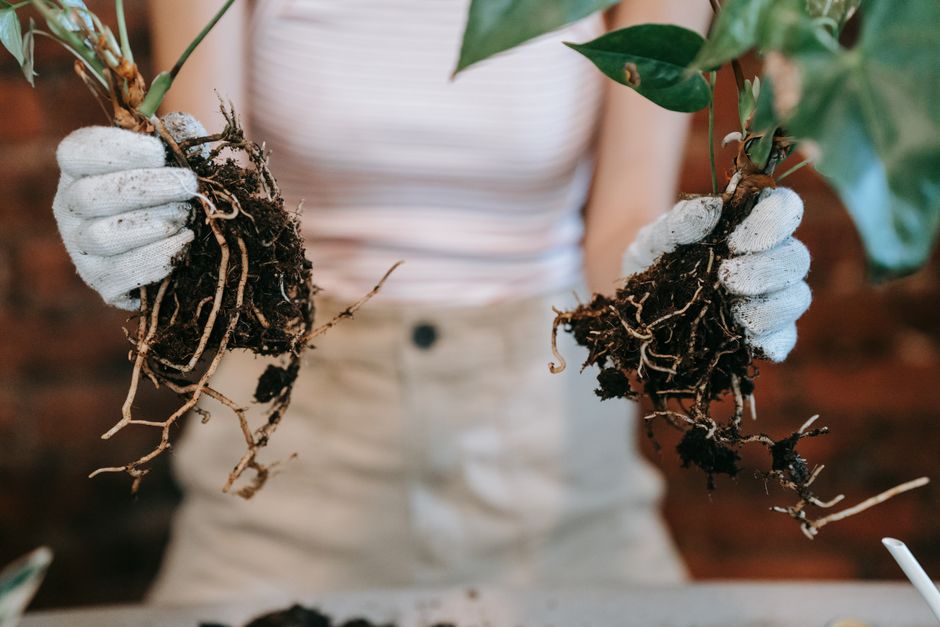
To improve soil health, focus on increasing organic matter by adding 2 to 5% compost or well-rotted manure, which significantly enhances nutrient availability and soil structure. Healthy soil supports robust root systems, leading to better nutrient absorption and overall plant vitality. Prioritizing soil health is key to cultivating vibrant and productive plants.
Through my own gardening journey, I’ve learned that simply adding fertilizers isn’t always the best solution. Instead, focusing on the long-term health of the soil shows the best results. Here’s everything I’ve discovered about how to improve soil health.
Understanding Soil Health
Soil health refers to the condition of the soil and its ability to support life. It encompasses a variety of factors, including nutrient content, organic matter, and microbial activity. Healthy soil is alive; it hosts a web of organisms that contribute to the growth of plants.
In my experience, good soil has a dark color, crumbles easily, and has a pleasant earthy smell. When I check my garden, I often dig a bit into the soil to assess these characteristics. If your soil is compacted or lacks structure, it likely needs some attention.

Benefits of Healthy Soil
The benefits of maintaining healthy soil are numerous. For one, it greatly enhances soil fertility, which is vital for growing robust plants. Healthy soil retains moisture better, reducing the need for frequent watering. This is especially important during hot summer months when droughts can occur.
Moreover, healthy soil reduces pests and diseases. When the soil is rich in organic matter, it encourages beneficial microorganisms that protect plants. I noticed a significant decrease in pest problems in my garden after I enriched the soil using compost and organic amendments.
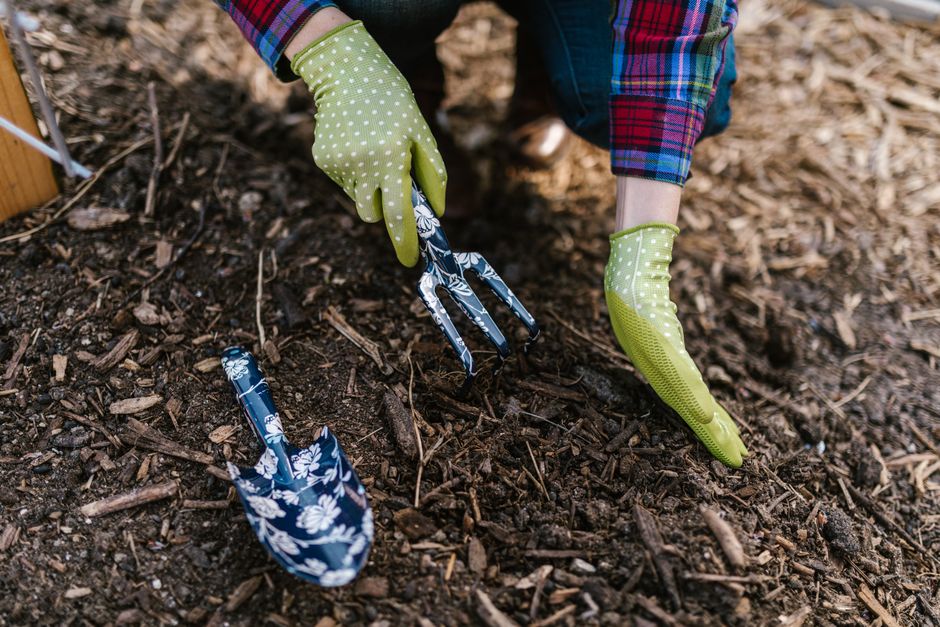
Methods to Improve Soil Health
There are several effective methods to improve soil health. I’ve found that adding organic matter is the most impactful step. Compost, well-rotted manure, and mulches all contribute to enriching the soil. I started using compost in my garden, and the transformation was remarkable.
Another method I’ve implemented is crop rotation. By alternating the types of plants I grow, I help prevent nutrient depletion and reduce pest issues. Cover crops, such as clover or vetch, can also be planted in the off-season, which adds nutrients back into the soil and promotes biodiversity.

Common Mistakes in Soil Management
Many gardeners make the mistake of relying too heavily on chemical fertilizers. While they can provide quick results, they often lead to long-term soil degradation. I learned the hard way that using organic practices not only improves soil health but also my gardening success.
Another common error is neglecting soil testing. Knowing your soil’s nutrient levels can guide you in making informed amendments. I personally now test my soil annually and adjust my practices based on the results, which has been a game changer for me.
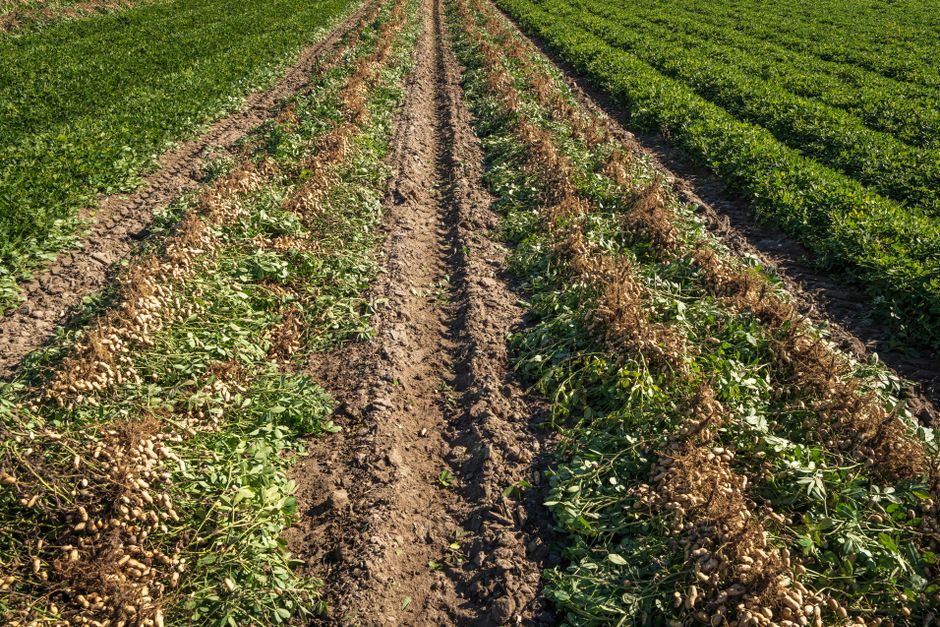
Improving soil health is an ongoing journey. It takes time, patience, and a willingness to learn from both successes and mistakes. If you want to elevate your gardening game, consider focusing on your soil first. Remember, healthy soil leads to healthy plants and a bountiful harvest.
Frequently Asked Questions
What are the best ways to improve soil health?
To improve soil health, incorporate organic matter such as compost or well-rotted manure, which enhances soil structure, water retention, and nutrient availability. Additionally, practice crop rotation and cover cropping to prevent nutrient depletion and erosion, and minimize tillage to maintain soil integrity and promote beneficial microbial activity. Regular soil testing can also guide amendments and inform management practices tailored to specific soil needs.
How does compost improve soil health?
Compost improves soil health by enhancing its structure, increasing nutrient content, and boosting microbial activity. It adds organic matter that improves water retention and aeration, while also providing essential nutrients and promoting beneficial microorganisms that contribute to soil fertility and resilience against pests and diseases. Additionally, compost helps to sequester carbon in the soil, contributing to overall environmental health.
Why is soil health important for gardening?
Soil health is crucial for gardening because it directly affects plant growth, nutrient availability, and water retention. Healthy soil promotes beneficial microbial activity, which helps decompose organic matter and supports nutrient cycling, ultimately leading to more robust plants and higher yields. Additionally, improved soil structure enhances drainage and aeration, reducing the risk of plant stress and disease.
What can I add to soil to make it healthier?
To improve soil health, you can add organic matter such as compost, well-rotted manure, or mulch to enhance nutrient content and microbial activity. Additionally, incorporating cover crops, like legumes, can enrich the soil with nitrogen and prevent erosion, while applying minerals like lime or rock phosphate can help correct pH imbalances and provide essential nutrients.
How do you test soil health?
To test soil health, you can conduct a soil test that evaluates parameters such as pH, nutrient levels (nitrogen, phosphorus, potassium, and micronutrients), organic matter content, and soil texture. Additionally, you can assess biological activity by examining the presence of earthworms, microbial diversity, and soil respiration rates. Utilizing a combination of laboratory analyses and field observations will provide a comprehensive overview of soil health.